



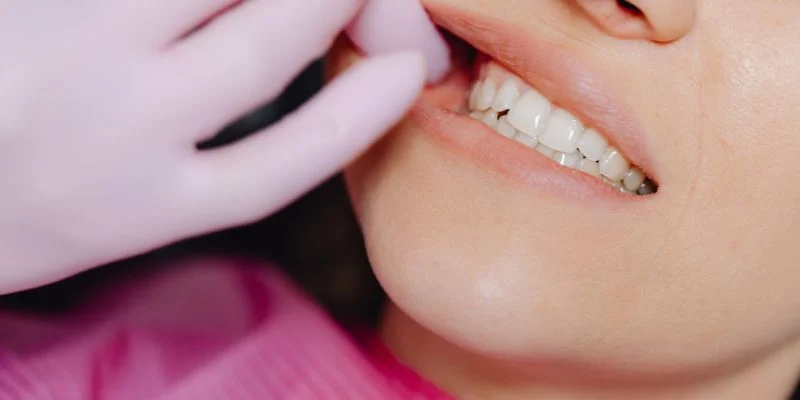
Dental implants have a high success rate, but like any medical procedure, they can sometimes fail. About 5 to 10 percent of dental implants fail, either shortly after the procedure or months or years later.
Understanding why this happens can help you make informed decisions and take steps to protect your investment in your smile.
The good news is that most implant failures can be prevented with proper planning and care. Many factors contribute to implant problems, from medical conditions and lifestyle choices to the experience of your surgeon.
When you know what to watch for and how to care for your implants, you can significantly improve your chances of long-term success.
Whether you’re considering dental implants or already have them, learning about potential complications and their solutions will help you maintain your oral health.
We’ll explore the warning signs to watch for, treatment options when problems arise, and practical steps you can take to keep your implants healthy for years to come.
Understanding Dental Implant Failure
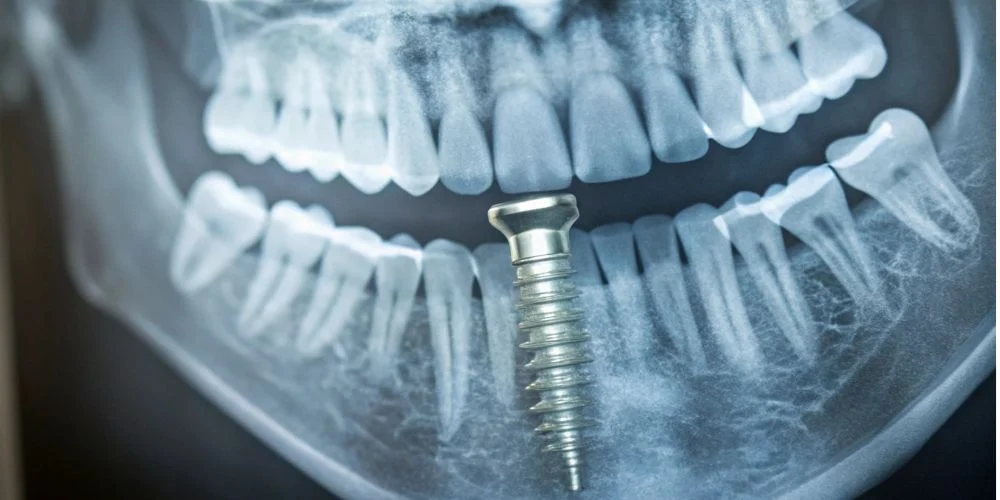
Dental implant failure occurs when your implant becomes loose, falls out, or cannot support your replacement tooth. The timing of failure helps determine the cause, with early failures happening during healing and late failures occurring years later.
What Is Dental Implant Failure?
Dental implant failure happens when your implant becomes loose or is lost. This means the implant cannot properly support your crown, bridge, or denture.
Signs of implant failure include:
- Implant movement or looseness
- Pain around the implant site
- Swelling or bleeding gums
- Difficulty chewing
- Visible implant threads
Your implant may fail if it never properly fuses with your jawbone. This process is called osseointegration, where your bone grows around the implant to hold it in place.
When osseointegration fails, your implant cannot create a stable foundation. Your body may also reject the implant or develop an infection around it.
Failed implants typically require removal. Your dentist will then need to treat the area and may place a new implant later.
Types: Early vs Late Dental Implant Failure
Early dental implant failure and late dental implant failure have different causes and timing patterns.
Early Dental Implant Failure
Early implant failure usually happens within the first few months. This occurs during the healing period before osseointegration is complete.
Common causes include:
- Poor surgical technique
- Insufficient bone quality
- Smoking during healing
- Infection at the implant site
- Moving the implant too soon
Late Dental Implant Failure
The most common cause of late failure is peri-implantitis, followed by implant fracture and implant malpositioning. Late failure happens months or years after your implant was placed.
Peri-implantitis is like gum disease around your implant. It causes bone loss and can make your implant loose.
Other late failure causes include:
- Poor oral hygiene
- Teeth grinding
- Mechanical problems
- Implant overload
Dental Implant Failure Rate and Success Statistics
Overall Success Rates
Dental implants have high success rates, typically ranging from 95% to 98%. This means the dental implant failure rate is relatively low at 2% to 5%.
Your success rate depends on several factors:
- Location in your mouth
- Your overall health
- Smoking habits
- Oral hygiene
Replacement Implant Success
The weighted survival rate for the replacement of failed implants is 86.3%, with a much lower survival rate after the second or subsequent implantations.
Factors That Affect Your Implant Failure Rate:
| Factor | Impact on Success |
| Non-smoker | Higher success rate |
| Good oral hygiene | Higher success rate |
| Healthy gums | Higher success rate |
| Adequate bone | Higher success rate |
| Diabetes (controlled) | Moderate impact |
| Heavy smoking | Lower success rate |
Your individual implant failure rate may be higher or lower based on your specific situation.
Not every failed implant means starting over. Book a consultation with CU Dentists in Champaign to explore expert repair and replacement options that save your smile.
Leading Causes of Dental Implant Failure
Dental implant failure happens when your implant doesn’t properly fuse with your jawbone or develops complications after placement.
The main reasons include bacterial infections around the implant site, problems with bone integration, weak jawbone structure, and existing gum health issues.
Infection and Peri-Implantitis
Infection is one of the most serious threats to your dental implant’s success. Peri-implantitis is a bacterial infection that attacks the tissues around your implant, similar to gum disease around natural teeth.
This condition starts when bacteria build up around your implant site. Poor oral hygiene lets harmful bacteria multiply and create inflammation. The infection can spread deep into your gums and jawbone.
Signs of peri-implantitis include:
- Red, swollen gums around the implant
- Bleeding when you brush or floss
- Bad breath or taste in your mouth
- Pus around the implant site
- Loose implant
Without treatment, peri-implantitis leads to bone loss around your implant. This weakens the support structure and can cause your implant to fail completely. Dental implant risks include infection among other complications.
Poor Osseointegration
Osseointegration is when your jawbone grows around and fuses with your implant. This process usually takes 3-6 months and creates a strong foundation for your new tooth.
Sometimes osseointegration fails to happen properly. Your bone doesn’t bond well with the implant surface, leaving it loose and unstable. Several factors can cause this problem.
Smoking is a major risk factor. It reduces blood flow to your gums and slows healing. Certain medications like steroids can also interfere with bone growth.
Your dentist’s technique matters too. If the implant is placed with too much force, it can damage surrounding bone tissue. The wrong implant size or poor positioning can also prevent proper integration.
Diabetes and other health conditions that affect healing make osseointegration more difficult. Your body needs good blood flow and immune function to build new bone tissue around the implant.
Insufficient Bone Density or Quality
Your jawbone needs enough density and volume to support a dental implant. Bone loss from tooth extraction, gum disease, or aging can create problems for implant placement.
When you lose a tooth, the surrounding bone starts to shrink. This happens because the bone no longer gets stimulation from the tooth root. Within the first year, you can lose 25% of bone width in that area.
Poor bone quality makes implants less stable. Soft or porous bone doesn’t provide strong support for the implant threads. Your upper jaw typically has softer bone than your lower jaw, which can increase failure risk.
Some people naturally have thin jawbones. Others develop bone loss from:
- Long-term denture wear
- Trauma or injury
- Previous failed implants
- Certain medications
Your dentist may recommend bone grafting before implant placement if you don’t have enough healthy bone tissue.
Gum Disease and Gum Recession
Gum disease creates an unhealthy environment for dental implants. Active gum disease means your mouth has high levels of harmful bacteria that can attack your implant.
Untreated gum disease causes chronic inflammation in your mouth. This makes it harder for your implant site to heal properly after surgery. The bacteria can also spread to your implant area and cause infection.
Gum recession exposes more of your implant surface than should be visible. This creates pockets where bacteria can hide and multiply. Receding gums also make your implant look unnatural and can cause sensitivity.
Risk factors for gum problems around implants include:
- Poor brushing and flossing habits
- Smoking or tobacco use
- Grinding your teeth at night
- Genetic tendency toward gum disease
Your dentist will treat any existing gum disease before placing implants. Healthy gums are essential for long-term implant success and proper healing.
Other Contributing Factors in Implant Failure
Several technical and biological factors beyond poor oral hygiene can cause dental implants to fail. Issues like incorrect surgical placement, excessive force on the implant, certain health conditions, and material incompatibilities all play important roles in implant success.
Improper Implant Placement
Surgical precision is critical for long-term implant success. When your surgeon places an implant at the wrong angle or depth, it creates problems that may not show up for months.
Poor positioning affects how forces distribute when you bite and chew. This uneven pressure can cause implant loosening over time.
Inadequate bone support around the implant is another placement issue. Your surgeon needs enough healthy jawbone to anchor the implant securely.
If placed too close to nerves or sinuses, you risk nerve damage or sinus complications. These placement errors often require implant removal and additional procedures.
Key placement factors include:
- Correct angulation matching your natural bite
- Proper depth in the jawbone
- Adequate spacing from adjacent teeth
- Sufficient bone density at the implant site
Your surgeon should use 3D imaging and surgical guides to ensure precise placement. This technology helps avoid vital structures and positions the implant for optimal function.
Implant Overloading and Bite Issues
Excessive force on your new implant can cause immediate or gradual failure. This happens when too much pressure is applied too soon after surgery.
Early loading problems occur when you bite on hard foods before the implant fully heals. The healing phase called osseointegration takes three to nine months.
Bite alignment issues create ongoing stress on your implant. If your dental crown sits too high or at the wrong angle, it receives more force than designed to handle.
Bruxism and teeth grinding put enormous pressure on implants during sleep. This repetitive force can loosen the implant or crack the crown over time.
Signs of overloading include:
- Pain when biting down
- Loose or wobbly implant
- Cracked dental crown
- Gum swelling around the implant
Your dentist may recommend a night guard if you grind your teeth. They can also adjust your bite to distribute forces more evenly across all your teeth.
Medical Conditions and Medications
Certain health conditions and medications significantly impact implant success rates. Your overall health affects how well your body accepts and heals around the implant.
Diabetes slows healing and increases infection risk. Poor blood sugar control makes it harder for bone to grow around your implant properly.
Autoimmune diseases like rheumatoid arthritis can interfere with the healing process. Your immune system may not respond normally during recovery.
Some medications affect bone formation and healing:
- Bisphosphonates for osteoporosis can prevent proper bone healing
- Blood thinners increase bleeding risk during surgery
- Steroids suppress immune function and slow healing
Smoking and tobacco use severely impact implant success. Nicotine reduces blood flow to your gums and jawbone, making healing much more difficult.
Your dentist needs to know about all medications and health conditions before implant surgery. Some conditions may require special treatment protocols or timing adjustments.
Implant Material and Allergic Reactions
Most dental implants are made from titanium, which your body usually accepts well. However, some people experience implant rejection or allergic reactions to implant materials.
Titanium sensitivity is rare but can cause ongoing inflammation around your implant. Symptoms include persistent swelling, pain, and poor healing.
Zirconia implants offer an alternative for people with metal sensitivities. These ceramic implants are white and blend better with natural teeth.
Signs of material reactions:
- Chronic inflammation that doesn’t improve
- Unusual pain or discomfort
- Skin reactions or rashes
- Poor integration with jawbone
Your dentist can perform allergy testing before implant placement if you have a history of metal sensitivities. This helps identify the best implant material for your situation.
Quality matters when it comes to implant materials. Lower-grade materials or poorly manufactured implants have higher failure rates and may cause more complications.
Warning Signs and Diagnosis of Implant Problems

Early detection of implant problems can make the difference between saving your implant and needing replacement surgery. Recognizing symptoms like gum inflammation or implant loosening helps you get treatment before minor issues become major failures.
Recognizing Symptoms of Implant Failure
Pain and discomfort around your implant site should not be ignored. While some tenderness is normal right after surgery, persistent or worsening pain weeks later signals a problem.
You might feel sharp, throbbing, or constant aching. This pain often gets worse when you bite down or chew food.
Gum inflammation appears as red, swollen, or bleeding tissue around your implant. Healthy gums should look pink and feel firm to the touch.
If you notice pus or discharge coming from the gum line, this indicates infection. The area may also feel warm or tender when you touch it.
Implant loosening creates a wobbly feeling when you bite or speak. Your dental crown might feel like it’s shifting or moving slightly.
Some people notice clicking sounds when they chew. Others feel their bite has changed or doesn’t line up properly anymore.
Visual changes include the implant becoming more visible through your gums. You might see metal showing through thinning gum tissue.
Swelling that doesn’t go away after the first few weeks is another warning sign. Your face or jaw area may look puffy or feel tight.
Clinical and Radiographic Assessment
Your dentist uses specific tests to check your implant’s health during regular visits. Probing depth measurements show if gums are pulling away from the implant surface.
Normal probing depths around implants measure 3mm or less. Deeper pockets often mean infection or bone loss has started.
Mobility testing checks if your implant moves when gentle pressure is applied. Healthy implants should feel completely solid and immovable.
Even tiny amounts of movement can indicate failed osseointegration. This means the bone hasn’t properly fused with your implant.
X-rays and CT scans reveal bone loss around the implant that you can’t see or feel. These images show the bone level and density surrounding your implant.
| Assessment Type | What It Checks | Normal Results |
| Probing depths | Gum attachment | 3mm or less |
| Mobility test | Implant stability | No movement |
| X-rays | Bone levels | Stable bone height |
| Visual exam | Gum health | Pink, firm tissue |
Your dentist may also use special instruments to measure how well your implant has integrated with the bone. These tests help catch problems before they become serious.
Differentiating Early and Late Failures
Early implant failure happens within the first few months after surgery. This type of failure usually occurs because osseointegration never properly develops.
Signs include persistent pain, mobility, or infection that starts soon after placement. Poor healing or allergic reactions can also cause early problems.
Most early failures stem from surgical complications or poor bone quality. Smoking, diabetes, or taking certain medications increase your risk.
Late implant failure develops months or years after successful healing. These problems often result from peri-implantitis, which is like gum disease around implants.
You might notice gradual loosening, gum recession, or bone loss over time. Teeth grinding, poor oral hygiene, or trauma can trigger late failures.
Late failures tend to progress more slowly than early ones. You may have warning signs for weeks or months before the implant actually fails completely.
The timing of symptoms helps your dentist determine the best treatment approach. Early failures often require implant removal and replacement, while late failures might be treatable with deep cleaning or gum surgery.
Solutions and Treatment for Dental Implant Failure
When your dental implant fails, quick action and proper treatment can often save the situation. Treatment options range from simple medications to complete implant replacement with bone reconstruction.
Immediate Actions for Failing Implants
Your dentist will first determine if the implant can be saved or needs removal. Early-stage infections often respond well to antibiotics and deep cleaning around the implant site.
If you notice bleeding, swelling, or pain around your implant, contact your dentist immediately. Quick treatment prevents the problem from getting worse.
Non-surgical treatments include:
- Prescription antibiotics to fight infection
- Professional cleaning of the implant surface
- Antimicrobial mouth rinses
- Laser therapy to remove bacteria
Your dentist may also adjust your bite if the implant is receiving too much pressure. This involves reshaping the crown or adjusting nearby teeth.
For loose implants, your dentist will assess whether the bone can still support the implant. Sometimes removing the implant immediately prevents further bone loss.
Surgical Treatments and Bone Grafting
When bone loss occurs around your implant, surgical bone grafting may be necessary. This procedure replaces the lost bone tissue to provide better support.
Surgical options include:
- Bone grafting to rebuild lost jaw bone
- Guided tissue regeneration using special membranes
- Removal of infected tissue around the implant
- Complete implant removal with site cleaning
Bone grafting procedures typically require three to twelve months to heal completely. The healing time depends on the size of the graft needed.
Your surgeon may use your own bone, donor bone, or synthetic materials for the graft. Each type has different healing times and success rates.
During healing, you’ll need to avoid the surgical area and follow strict oral hygiene instructions. Your dentist will monitor the healing process with regular checkups.
Replacement and Long-Term Restoration
After bone grafting heals, you can often receive a new dental implant in the same location. The new implant typically has better success rates than the original.
Replacement timeline:
- Wait 3-6 months after implant removal
- Allow 3-12 months for bone graft healing
- Place new implant once bone is stable
- Wait 3-6 months for implant integration
Some patients may not be candidates for implant replacement. Alternative options include removable partial dentures or fixed bridges using nearby teeth.
Your new implant will need careful monitoring during the first year. Regular dental visits help catch any problems early before they become serious.
Proper home care becomes even more important with replacement implants. Use special brushes and floss designed for cleaning around implants daily.
If your implant feels loose or painful, book an emergency implant consultation at CU Dentists in Champaign — our specialists can often save your smile before it’s too late.
How to Prevent Dental Implant Failure
Taking proper care of your dental implants and making smart lifestyle choices can greatly reduce your risk of complications. Good oral hygiene habits, regular dental visits, and avoiding harmful behaviors are the most effective ways to protect your investment.
Importance of Oral Hygiene and Aftercare
Proper oral care and hygiene are critical in preventing implant failure. You need to treat your dental implants just like your natural teeth.
Daily Cleaning Routine:
- Brush your implants twice daily with a soft-bristled toothbrush
- Floss around each implant carefully to remove plaque buildup
- Use antibacterial mouthwash to kill harmful bacteria
The most frequent and avoidable cause of dental implant failure is infection. Bacteria can build up around your implants if you don’t clean them properly.
Pay special attention to the gum line where your implant meets your gums. This area collects food particles and bacteria easily.
Consider using special floss designed for implants or water flossers. These tools can reach areas that regular floss might miss.
Lifestyle Modifications and Risk Factors
Smoking is one of the biggest threats to your dental implants. It reduces blood flow to your gums and slows healing.
Key lifestyle changes include:
- Quit smoking completely – even occasional smoking increases failure risk
- Limit alcohol consumption – excessive drinking affects bone healing
- Manage diabetes – keep blood sugar levels controlled
- Eat a balanced diet – calcium and vitamin D support bone health
If you grind your teeth at night, talk to your dentist about getting a night guard. Excessive pressure can damage your implants over time.
Avoid chewing on hard objects like ice, pens, or hard candy. These habits can crack or loosen your implant crown.
Tell your dentist about any medications you take. Some drugs can affect bone healing and implant success.
Routine Dental Visits and Maintenance
Regular dental cleanings and checkups are essential for catching problems early. Most dentists recommend visits every six months.
During these visits, your dental team will:
- Remove plaque and tartar buildup around implants
- Check for signs of infection or inflammation
- Take X-rays to monitor bone levels
- Assess the stability of your implant
If you hear about too many dental implant failures, you should look for another dentist with a proven track record. Choose a dentist experienced in implant care.
Your dentist may recommend more frequent visits if you have a history of gum disease. Early treatment of any issues can prevent major complications later.
Professional cleanings use special tools that won’t damage your implant surface. Never skip these appointments even if your implants feel fine.
Prevention starts with expert care. Schedule your implant hygiene appointment today and let CU Dentists help you avoid future dental implant complications.
Frequently Asked Questions
What are the main reasons for dental implant failure?
The most common cause is lack of osseointegration, which means your bone doesn’t grow properly around the implant. This happens when there isn’t enough bone to support the implant fully.
Peri-implantitis is another major cause. This gum disease around your implant develops from poor oral hygiene and allows bacteria to get into spaces between your teeth and implants.
Bad habits like teeth grinding can also cause implant failure. These habits put too much pressure on your implants and can damage them over time.
Infections at the implant site can prevent proper healing. Smoking, drinking alcohol, and certain medical conditions increase your risk of infection.
How can I tell if my dental implant is failing?
Bad breath that won’t go away is an early warning sign. You might also notice swelling in your gums around the implant area.
Pain around the implant site that gets worse over time signals a problem. The implant might feel loose when you touch it with your tongue.
Pus around the implant area means you have an infection. You might see bleeding when you brush or floss near the implant.
If your body rejects the implant, you may experience pain, swelling, fever, and chills. New gaps appearing between your teeth can also indicate implant problems.
What should I do if my dental implant fails after several years?
Call your dentist right away if you notice any signs of implant failure. Early treatment can sometimes save a failing implant and prevent more serious problems.
Your dentist will examine the implant and take X-rays to see what’s causing the problem. They might prescribe antibiotics if you have an infection.
In many cases, the failed implant will need to be removed. Your dentist will clean the area thoroughly and let it heal before considering a replacement.
Even if your first implant fails, a replacement implant has a 90% chance of working. Most people can successfully get a second implant after the area heals.
Is there any way to prevent failure of dental implants?
Good oral hygiene is the most important thing you can do. Brush your teeth twice daily and floss around your implants to remove bacteria and plaque.
Avoid smoking, drinking alcohol, and using drugs, as these habits make complications more likely. These substances slow healing and increase infection risk.
See your dental hygienist for regular checkups and cleanings. Professional cleanings remove plaque you might miss at home.
If you grind your teeth, ask your doctor about a night guard or bite plate. These devices protect your implants from too much pressure while you sleep.
What options do I have if my dental implant fails?
Your dentist can often place a new implant after removing the failed one and letting the area heal. This process usually takes several months but has high success rates.
Snap-in dentures might be a good alternative if you can’t get another implant. These dentures attach to remaining implants for better stability than regular dentures.
A dental bridge can replace the missing tooth by connecting to nearby healthy teeth. This option works well when neighboring teeth also need crowns.
Partial or complete dentures remain an option if other treatments won’t work. Modern dentures fit better and look more natural than older versions.
Can I get a refund if my dental implant is not successful?
Most dental offices don’t offer full refunds for failed implants since the surgery and materials have costs. However, many dentists will work with you to find a solution.
Some dental practices offer warranties or guarantees on their implant work. Ask about their policy before getting treatment so you know what to expect.
Your dentist might reduce the cost of a replacement implant or alternative treatment. Many offices want to maintain good relationships with patients and will try to help.
Check if your dental insurance covers implant complications or replacements. Some insurance plans provide coverage for medically necessary treatments after implant failure.