


Your smile plays a huge role in your confidence, but deciding between different cosmetic dental treatments can feel overwhelming. Two of the most popular options are porcelain veneers and teeth whitening, each offering unique benefits for different dental concerns.
Teeth whitening works best for surface stains and minor discoloration, while porcelain veneers can address severe stains, chips, gaps, and shape issues that whitening cannot fix.
The choice between these treatments depends on your specific dental concerns, budget, and how dramatic a change you want to achieve.
Understanding the key differences between these cosmetic dentistry options will help you make the right decision for your smile goals.
We’ll explore everything from candidacy requirements to long-term results, so you can choose the treatment that gives you the confident smile you deserve.
Porcelain Veneers vs. Teeth Whitening: What’s the Real Difference?
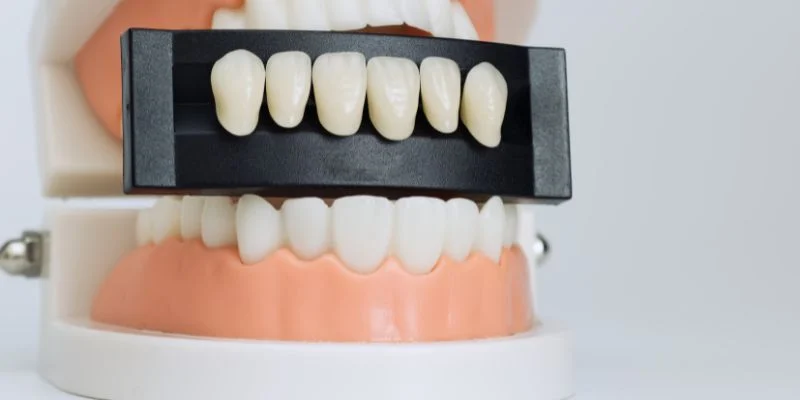
Porcelain veneers change your teeth’s shape and color permanently, while teeth whitening only removes stains. The treatments work differently and solve different dental problems.
How Each Treatment Works
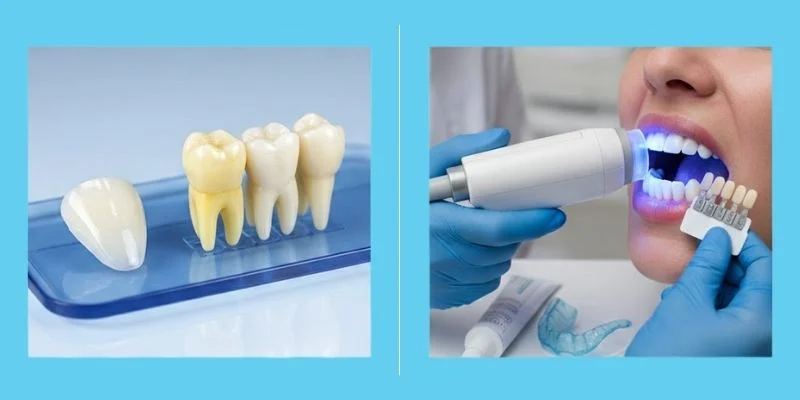
Teeth whitening uses bleaching agents to remove stains from your tooth enamel. Your dentist applies hydrogen peroxide or carbamide peroxide gel to your teeth. The chemicals break down stain molecules inside your teeth.
Professional whitening takes 1-2 hours in the dentist’s office. At-home treatments use weaker bleaching agents over several weeks.
Porcelain veneers require removing a thin layer of your tooth enamel first. Your dentist takes impressions of your teeth and sends them to a lab. Custom-made ceramic shells are created to fit over your teeth.
The process takes 2-3 visits over several weeks. Your dentist bonds the veneers to your teeth with special cement. This creates a permanent change to your smile.
What Problems Does Each Solve?
Teeth whitening addresses:
- Coffee and tea stains
- Wine discoloration
- Tobacco stains
- Age-related yellowing
- Some medication stains
Whitening works best on yellow stains. It doesn’t fix brown or gray discoloration well.
Dental veneers solve multiple cosmetic issues:
- Severe stains that won’t whiten
- Chipped or cracked teeth
- Gaps between teeth
- Slightly crooked teeth
- Worn-down teeth
- Uneven tooth sizes
Veneers can fix both color and shape problems at once. They work when teeth whitening isn’t enough for your cosmetic dentistry goals.
Smile Transformation Potential
Teeth whitening creates a subtle change. Your teeth become 2-8 shades whiter but keep their original shape and size. Results last 1-3 years before touch-ups are needed.
Some teeth have limits on how white they can get. Natural tooth color affects your final results.
Veneers offer a complete smile makeover. You can change tooth color, shape, length, and alignment all at once. Your dentist can create the exact smile you want within reason.
Porcelain veneers last 10-15 years with proper care. The transformation is immediate and dramatic compared to whitening treatments.
Suitability: Who Is a Candidate for Each Procedure?
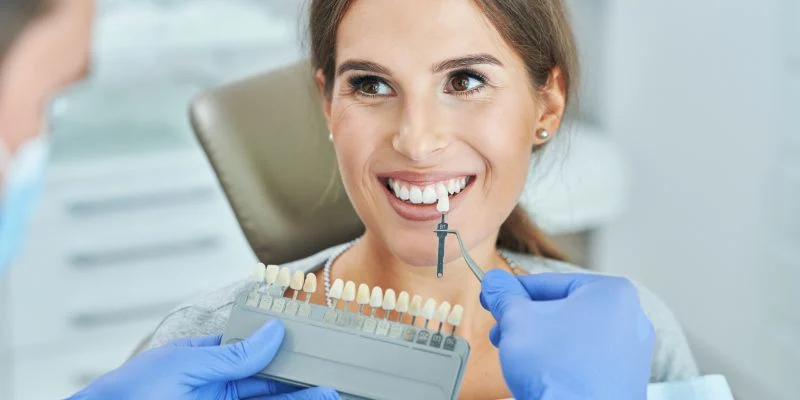
Your ideal choice between whitening treatments and porcelain veneers depends on your specific dental condition, budget, and cosmetic goals. Each option works best for different types of dental issues and patient needs.
Best Candidates for Teeth Whitening
You’re a good candidate for professional whitening if you have healthy teeth and gums with minor discoloration. This treatment works best on surface stains from coffee, tea, wine, or tobacco.
Ideal conditions for whitening include:
- Yellow or brown surface stains
- Generally straight teeth
- No major chips or cracks
- Healthy tooth enamel
- Realistic expectations about results
Professional whitening treatments can lighten your teeth by several shades. You’ll see the best results if your stains come from lifestyle habits rather than medications or tooth trauma.
Your age matters too. Younger patients often get better whitening results because their teeth typically have fewer deep stains.
Best Candidates for Porcelain Veneers
You might need porcelain veneers if whitening won’t fix your dental concerns. Veneers work well for multiple cosmetic issues at once.
You’re a good veneer candidate if you have:
- Intrinsic stains that don’t respond to whitening
- Uneven teeth or irregular shapes
- Small gaps between teeth
- Minor chips or worn edges
- Teeth that appear too small
You need healthy gums and enough tooth structure for veneer placement. Your dentist will remove a small amount of enamel, so this choice is permanent.
Veneers require good oral hygiene habits. You shouldn’t grind your teeth at night without wearing a protective guard.
Limitations and Contraindications
You’re not a good candidate for either treatment if you have:
- Active gum disease
- Severe tooth decay
- Very sensitive teeth
- Unrealistic expectations
Whitening treatments won’t work on crowns, fillings, or intrinsic stains from medications like tetracycline. These deep stains need veneers or other cosmetic solutions.
Pregnant women should wait before getting whitening treatments. The safety of bleaching agents during pregnancy isn’t fully established.
You might not qualify for veneers if you grind your teeth heavily or have insufficient enamel. Some people need orthodontic treatment first to create better tooth alignment.
Cost considerations matter too. Whitening treatments cost much less than veneers, making them more accessible for budget-conscious patients.
Types of Stains and Cosmetic Concerns Addressed
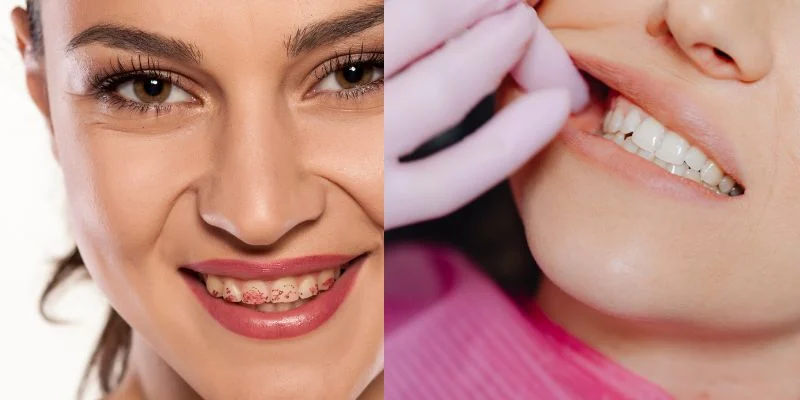
Different dental issues require different solutions, and understanding whether you have surface stains or deeper problems helps determine if teeth whitening or porcelain veneers work better for your situation. Veneers can fix problems that whitening cannot touch.
Addressing Surface vs. Intrinsic Stains
Surface stains sit on top of your enamel and come from coffee, tea, wine, or smoking. These stains respond well to teeth whitening treatments. Your dentist can remove them with bleaching agents.
Intrinsic stains go deeper into your tooth structure. They happen from medications, fluorosis, or tooth trauma. Regular whitening often fails to remove these deep stains.
Learn more about Porcelain veneers provide a comprehensive solution for deep stains that whitening cannot fix. The thin shells cover your entire front tooth surface.
Common intrinsic stains include:
- Tetracycline antibiotic stains (gray or brown bands)
- Fluorosis spots (white or brown marks)
- Dead tooth discoloration (gray or dark colors)
- Age-related yellowing deep in the tooth
Veneers work when teeth whitening treatment is not possible for these stubborn stains.
Fixing Chips, Gaps, and Uneven Teeth
Teeth whitening only changes color. It cannot fix physical problems with your teeth. Veneers address cosmetic concerns including gaps between teeth and minor cracks.
Physical problems veneers can fix:
- Small chips or cracks
- Gaps between front teeth
- Teeth that look too small
- Uneven or misshapen teeth
- Worn-down edges
Custom-made shells fit over your teeth to hide these flaws. Each veneer matches your desired tooth shape and size.
Uneven teeth create an irregular smile line. Veneers can make short teeth look longer or reshape pointed teeth. They create a uniform appearance across your smile.
Gaps between teeth collect food and affect your confidence. Veneers can close small spaces without braces or other treatments.
Results, Longevity, and Maintenance: What to Expect
Porcelain veneers offer lasting smile improvements that can endure 10-15 years, while teeth whitening provides temporary brightening that fades over months. Your choice affects both your daily care routine and long-term investment in your appearance.
How Long Results Last
Porcelain veneers deliver permanent smile transformation. Dental veneers last between 10 to 15 years with proper care and maintenance.
You won’t need touch-ups during this time. The color stays consistent and won’t fade like natural teeth.
Teeth whitening results fade gradually. Professional treatments last 1-3 years depending on your habits. At-home whitening typically lasts 3-6 months.
Your results depend on what you eat and drink. Coffee, wine, and tea can stain your teeth again within weeks.
| Treatment | Duration | Touch-ups Needed |
| Porcelain Veneers | 10-15 years | None |
| Professional Whitening | 1-3 years | Yes |
| At-home Whitening | 3-6 months | Frequent |
Caring for Your Enhanced Smile
Porcelain veneers need simple daily care. Brush twice daily with non-abrasive toothpaste. Floss regularly to keep your gums healthy.
Avoid biting hard objects like ice or fingernails. Don’t use your teeth as tools to open packages.
Teeth whitening requires more careful maintenance. Good oral hygiene helps preserve your bright smile longer. Use whitening toothpaste between treatments.
Limit staining foods and drinks. When you do consume them, rinse with water afterward. Consider using a straw for dark beverages.
Both options benefit from regular dental cleanings every six months.
Cost and Value Considerations
Porcelain veneers cost $800-2,500 per tooth upfront. This higher initial investment pays off over time since they last 10-15 years.
You get permanent results without ongoing maintenance costs. The price per year becomes reasonable when you calculate long-term value.
Teeth whitening has lower upfront costs. Professional treatments range from $300-800. At-home kits cost $20-200.
However, you’ll need repeated treatments to maintain brightening your smile. Annual whitening costs can add up over a decade.
Veneers provide better value for severe discoloration that whitening can’t fix effectively.
Combining Treatments and the Smile Makeover Approach
Many people get the best results by combining porcelain veneers with professional teeth whitening rather than choosing just one treatment. A complete cosmetic dentistry plan can address multiple smile concerns at once.
When to Combine Veneers and Whitening
You might need both treatments when you have mixed dental issues. Some teeth may have severe stains that whitening can’t fix, while others just need brightening.
Front teeth with chips or cracks work well with veneers. Your back teeth, which show when you smile wide, benefit more from whitening.
Your dentist will whiten your natural teeth first. This creates the right shade match for your veneers. The veneers get made to match your newly whitened teeth.
Common combination scenarios include:
- Veneers on front 4-6 teeth with whitening on remaining visible teeth
- Fixing one damaged tooth with a veneer while whitening the rest
- Addressing gaps with veneers and stains with whitening
Insurance typically doesn’t cover either treatment since they’re cosmetic. Budget for both procedures if you choose this route.
Steps for a Complete Smile Makeover
A smile makeover follows a specific order to get the best results. Your dentist maps out the entire plan before starting any work.
Step 1: Consultation and Planning Your dentist takes photos and impressions of your teeth. You discuss your goals and see digital previews of potential results.
Step 2: Professional teeth whitening This happens first and takes 1-2 weeks to complete. Your teeth reach their whitest shade before veneer planning begins.
Step 3: Veneer preparation Your dentist shapes the teeth getting veneers. Temporary veneers protect your teeth while permanent ones are made.
Step 4: Final placement The lab-made veneers get bonded to your prepared teeth. Your dentist checks the fit and color match carefully.
The whole process takes 3-6 weeks depending on your specific needs.
Choosing the Right Cosmetic Option: Consultation and Next Steps with CU Dentists
At CU Dentists in Champaign, our cosmetic dental consultations are personalized to ensure your smile is the best it can be. We’ll examine your teeth, discuss your goals, and create a treatment plan that fits your unique needs and budget.
What to Expect During Cosmetic Consultations
Your first consultation will start with a comprehensive dental exam. Our team will assess the health of your teeth, gums, and overall oral condition.
- Smile Photos & X-rays: We’ll take detailed photos from different angles to better understand your concerns. X-rays may also be required to see the full condition of your teeth beneath the surface.
- Discuss Your Smile Goals: Share the specific changes you’d like to see. Whether it’s whitening or fixing imperfections, we’ll tailor the discussion to your needs.
- Treatment Options Explained: We will compare porcelain veneersvs teeth whitening, helping you decide which cosmetic option best fits your smile goals.
- Cost Breakdown: We’ll provide a transparent estimate, including all fees, to help you make an informed decision.
Personalized Recommendations for Your Smile
At CU Dentists, we understand that each smile is unique. Based on your teeth’s condition, we’ll recommend the most suitable treatment:
- Teeth Whitening: Ideal for healthy teeth with surface stains. It’s a cost-effective solution for a brighter smile.
- Porcelain Veneers: Perfect for more complex issues like chips, gaps, deep stains, or shape and size problems that whitening can’t address.
We’ll also consider factors such as:
- Your Age and Lifestyle: For younger patients, whitening might be the first step, while veneers might be better suited for more significant cosmetic goals.
- Budget Considerations: Teeth whitening is typically less expensive than porcelain veneers but may require maintenance. We’ll ensure your treatment plan aligns with both your aesthetic goals and budget.
Your personalized treatment plan will include a timeline for your visits and preparation instructions, such as avoiding certain foods before your procedure or scheduling a cleaning session.
Frequently Asked Questions
What are the main differences between porcelain veneers and teeth whitening?
Veneers are a complete cosmetic rebuild of your teeth’s appearance. They cover the front surface of your teeth with thin shells made from porcelain.
Teeth whitening only removes stains and discoloration from your natural teeth. It uses bleaching agents to lighten the existing tooth color.
Veneers can fix multiple problems at once like chips, gaps, and uneven teeth. Whitening only addresses color issues and cannot fix structural problems.
The cost difference is significant. Whitening costs much less upfront than veneers.
How long do the results of teeth whitening compared to porcelain veneers last?
Teeth whitening results are temporary and typically last 6 months to 2 years. The duration depends on your diet and lifestyle habits like drinking coffee or wine.
You will need touch-up treatments to maintain your whitened teeth. Most people repeat whitening every 1-2 years.
Porcelain veneers offer lasting results, often spanning a decade or more. With proper care, they can last 10-20 years before needing replacement.
Veneers maintain their color and appearance throughout their lifespan. They resist staining better than natural teeth.
Can anyone get porcelain veneers, or are there specific criteria?
You need healthy teeth and gums to qualify for veneers. Your dentist will check for decay, gum disease, or other oral health problems first.
People who grind their teeth at night may not be good candidates. The grinding can damage or break the veneers.
You must have enough natural tooth structure remaining. Veneers require removing a small amount of tooth enamel during placement.
Your bite alignment matters too. Severe bite problems may need correction before getting veneers.
What are the potential risks or downsides of choosing porcelain veneers over whitening?
Veneers require permanent changes to your natural teeth. Your dentist must remove some tooth enamel, which cannot be reversed.
The higher cost makes veneers a bigger financial commitment. You may pay 10-20 times more than teeth whitening.
Some people experience temporary tooth sensitivity after getting veneers. This usually goes away within a few days.
If a veneer breaks or falls off, you need professional repair. You cannot fix damaged veneers at home like you might touch up whitening.
How much maintenance is required after getting porcelain veneers compared to teeth whitening?
Veneers need regular dental checkups and good daily oral hygiene. You should brush twice daily and floss regularly just like with natural teeth.
Avoid biting hard objects like ice or fingernails with veneers. These habits can chip or crack the porcelain material.
Teeth whitening requires more frequent maintenance treatments. You may need professional touch-ups every 6-12 months to maintain results.
You must limit staining foods and drinks after whitening. Coffee, tea, and red wine can quickly reverse your whitening results.
Are porcelain veneers a good solution for all types of tooth discoloration or damage?
Veneers excel in addressing a range of cosmetic concerns beyond simple whitening. They work well for deep stains that do not respond to whitening treatments.
Veneers can fix chips, cracks, and minor gaps between teeth. They also help with slightly crooked or uneven teeth.
Severely damaged teeth may need crowns instead of veneers. Veneers only cover the front surface and need sufficient healthy tooth structure.
Very dark stains from medications like tetracycline respond better to veneers than whitening. Traditional whitening often cannot lighten these deep discolorations effectively.