




Cosmetic dentistry for seniors is about more than just improving the look of your smile. It helps boost your confidence, makes eating and speaking easier, and supports your overall health.
Whether you want to brighten your teeth or replace missing ones, modern treatments offer options designed to fit your needs at any age.
A healthy, attractive smile can change how you feel about yourself and encourage you to enjoy social activities more. Treatments like whitening, veneers, crowns, and implants not only restore your smile but also protect your teeth and jaw.
With the right care, you can maintain a bright, healthy smile for years to come. Learning about the choices available and finding a dentist who understands your goals can make all the difference.
Key Takeaways
- Cosmetic dentistry can improve both your smile and daily comfort.
- There are many treatment options to address different dental needs.
- Keeping up with dental care helps maintain long-term results.
Understanding Cosmetic Dentistry for Seniors
As you age, your smile changes in ways that affect more than just how you look. These changes can influence your confidence, eating habits, and even your overall health.
Understanding what makes your senior’s smile unique and how cosmetic treatments can help will guide you in making choices that fit your needs.
What Makes Senior Smiles Unique
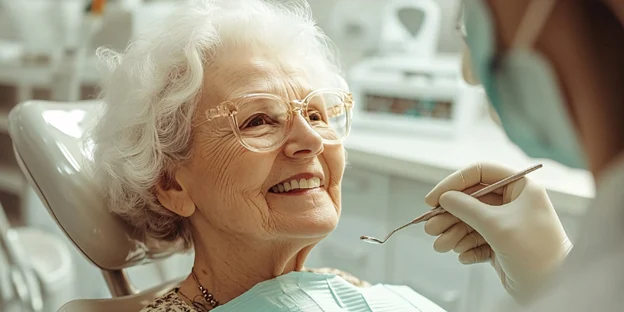
Senior smiles often show signs of wear from years of use. Teeth can become worn down, stained, or cracked due to habits like drinking coffee or smoking.
You may also have missing teeth, making it harder to chew or speak clearly. Bone loss in your jaw is common as teeth are lost, which can change the shape of your face.
This might cause a sunken look around your mouth. Your gums may also recede, exposing more of the tooth and making them look longer.
Because of these changes, your smile needs special care. Treatments designed for seniors focus on both how your smile looks and how it works, so you can stay comfortable and confident.
Common Cosmetic Concerns in Older Adults
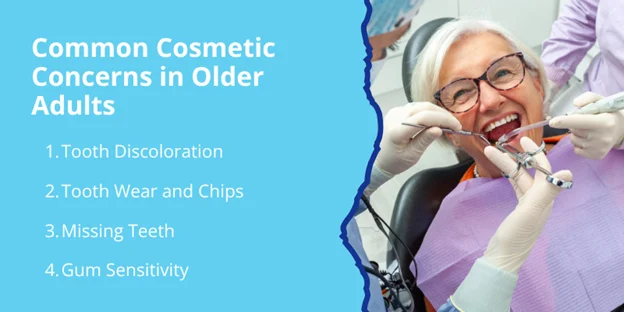
Many older adults face tooth discoloration caused by years of stains from drinks or medications. Stains can’t always be fixed with regular brushing.
Tooth wear and chips are common after decades of biting and chewing. These problems might make your teeth uneven or fragile.
Missing teeth affect your ability to chew and can impact how your face looks. You might feel self-conscious about gaps in your smile or worry about slipping dentures.
Research shows that older adults often face unique cosmetic dental concerns due to age‑related changes: as enamel wears down, teeth may become more worn, chipped, or flat, while the underlying dentin darkens, contributing to yellowing or staining.
Gingival recession is also common, which exposes root surfaces and increases sensitivity and the risk of root caries. This not only affects function but can significantly alter appearance.
Other concerns include sensitivity from gum recession and teeth that have shifted out of place. These changes can affect your eating and speaking.
Benefits of Cosmetic Treatments in Later Life
Cosmetic dentistry for seniors offers practical benefits that go beyond just looking better. Treatments like professional whitening lift stubborn stains, while veneers or bonding repair chips and worn teeth.
Replacing missing teeth with implants or bridges restores bite strength. This helps you chew comfortably and keeps your jawbone healthy.
Improved teeth alignment makes it easier to clean your teeth and lowers the risk of gum disease. You’ll feel more comfortable eating a wide range of foods, which supports better nutrition.
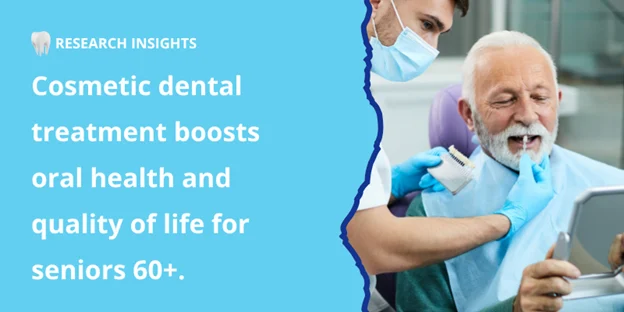
A randomized controlled trial involving adults aged 60 and older found that dental treatment significantly improved their oral health–related quality of life.
Before treatment, many seniors reported problems that affected their daily life and well‑being, such as discomfort, difficulty eating, or low self-esteem. After receiving dental care (which could include restorative or aesthetic work), participants showed measurable improvements in quality of life.
These treatments give more than a brighter smile; they help restore your confidence and make everyday life easier.
Essential Cosmetic Dentistry Options
As you get older, your teeth may show signs of wear like stains, chips, or uneven surfaces. There are several dental treatments that can help restore your smile by brightening your teeth or fixing damaged areas in a way that looks natural and lasts a long time.
Professional Teeth Whitening for Seniors
Professional teeth whitening is a great way to remove stains caused by coffee, tea, or aging enamel. Unlike store-bought kits, professional whitening uses stronger, safer gels applied by your dentist that quickly brighten your teeth.
The process usually takes an hour or less during an office visit. Because it targets surface stains, it works best if your enamel is still healthy.
Whitening can refresh your smile before other treatments or on its own if you want a simple change. Whitening results vary for seniors depending on enamel thickness and previous dental work.
Your dentist will guide you on whether whitening is the right choice for your teeth and how to maintain the brightness afterward.
Porcelain Veneers and Composite Resin Solutions
Porcelain veneers are thin shells bonded to the front of your teeth to improve color, shape, or alignment. They cover deep stains or uneven wear better than whitening.
Veneers look natural and can last over 10 years with good care. If you want something less permanent or quicker, composite resin veneers or fillings can reshape your teeth.
These are tooth-colored materials applied and molded directly on your teeth in one visit. They work well for minor corrections or small gaps.
Your dentist helps decide whether porcelain or resin fits your needs, budget, and dental health best. Both give your smile a makeover that feels comfortable and looks natural.
Cosmetic Bonding for Chipped Teeth
Cosmetic bonding repairs chips, cracks, or small gaps using composite resin matched to your tooth color. The process is quick and usually done in a single visit with no need for drilling or anesthesia.
Bonding restores your tooth’s shape and smoothness, helping improve how your smile looks and functions. It’s a popular choice for seniors because it is affordable and minimally invasive.
While bonding is durable, it may last 3 to 7 years before needing touch-ups. Taking care of bonded teeth with gentle brushing and avoiding hard foods helps keep the results longer.
If you want to fix minor damage without major treatment, bonding is an easy and effective option.
Have questions or want to see if bonding is right for you? Contact CU Dentist today to inquire and get personalized guidance!
Restoring Missing and Damaged Teeth
Taking care of missing or damaged teeth is important for both your smile and overall oral health. There are options designed to replace lost teeth and handle issues like decay and bone loss.
Replacing Tooth Loss with Dental Implants
Dental implants are a strong and natural-looking way to replace missing teeth. A small titanium screw is placed in your jawbone, where it fuses with the bone over time.
This process creates a stable base for a crown. Because implants are fixed in your jaw, they do not move or cause noise like some dentures might.
They also protect your jawbone from shrinking, which can happen after tooth loss. Implants don’t require altering nearby healthy teeth, making them a great option if you want to keep your natural teeth intact.
Modern Dentures for Seniors
If you have lost several teeth, modern dentures may be a good fit. Unlike in the past, today’s dentures look more natural and feel more comfortable.
You can choose from partial or full dentures depending on your needs. Dentures help restore your ability to chew and speak clearly.
They also support your facial muscles, which keeps your face from sagging. Proper care and regular dentist visits can keep dentures fitting well and prevent sores or irritation.
Addressing Tooth Decay and Bone Loss
Tooth decay remains a challenge as you age, especially if you have trouble cleaning hard-to-reach areas. Decay can lead to damaged teeth or even tooth loss if untreated.
Regular dental checkups can spot and treat decay early. Bone loss in your jaw is common after tooth loss or gum disease.
It can change how your teeth and dentures fit and affect your facial shape. Treatments like bone grafts or dental implants can help rebuild bone and keep your mouth healthy.
Maintaining good oral hygiene is key to slowing down bone loss and decay.
Maintaining Results and Long-Term Dental Health
Keeping your smile bright and healthy takes daily effort and good habits. Paying attention to your oral care, caring properly for any dental work, and watching what you eat all help your cosmetic results last longer.
Daily Oral Hygiene for Seniors
Brushing your teeth twice a day with a soft-bristled toothbrush is very important. Use fluoride toothpaste to help strengthen your enamel and prevent decay.
Floss every day to remove plaque between teeth and avoid gum disease. If you find it hard to floss because of arthritis or limited hand movement, try floss picks or water flossers.
Rinse with an antimicrobial mouthwash to reduce bacteria and freshen breath. Visiting your dentist for regular cleanings every six months is also key.
Your dentist checks for issues early and helps you keep your gums healthy, which supports your whole smile.
Discover personalized dental care for seniors at CU Dentist at Rantoul, IL, and Champaign, IL. Click here to explore our cosmetic dentistry services and keep your smile strong and healthy.

Caring for Cosmetic Restorations
If you have veneers, crowns, dental implants, or bonding, you need to care for them as well as your natural teeth. Avoid biting hard objects or using your teeth as tools to protect these restorations.
Use a non-abrasive toothpaste to keep surfaces smooth and free from scratches. If you grind your teeth at night, wearing a custom nightguard helps prevent damage to your restorations.
Keep up with all scheduled dental visits so your dentist can monitor the condition of these restorations. Cleaning around implants and crowns regularly keeps gum tissue healthy and prevents complications.
Diet and Lifestyle Habits for a Lasting Smile
Limiting foods and drinks that stain your teeth, like coffee, tea, and red wine, helps your smile stay bright after whitening or veneers. Avoid tobacco products, as they stain teeth and harm gum health.
Eating a balanced diet rich in fruits and vegetables supports your oral health by providing vitamins and minerals needed for strong gums and teeth. Drink plenty of water to wash away food particles and keep your mouth moist.
Try to cut back on sugary snacks and sodas, since sugar feeds the bacteria that cause cavities. Staying mindful of your diet and habits protects your dental work and natural teeth.
Choosing the Right Cosmetic Dentist
Finding the right dentist for cosmetic dentistry is key to a successful smile makeover. You want a dentist who listens closely, understands your needs as a senior patient, and offers clear advice tailored to your health and goals.
What to Discuss with Your Dentist
Start by sharing your main concerns about your smile. Be honest about issues like tooth discoloration, missing teeth, or sensitivity.
Ask about treatment options that fit your lifestyle, including the pros and cons of procedures like dental implants, veneers, or teeth whitening. Discuss your budget and how long each treatment takes.
Make sure to mention any health conditions or medications you take. This helps your dentist choose safe, effective treatments for your specific needs.
A good cosmetic dentist will also explain how each option can improve both your smile and oral health.
Evaluating Treatment Candidacy
Not every cosmetic procedure fits everyone. Your dentist will evaluate your oral health first.
They’ll check for gum disease, tooth decay, and jawbone strength, which affect choices like implants or crowns. You might need some basic dental care before starting a makeover.
For example, treating gum disease is important before getting veneers or implants. Your age and medical history matter too.
Some seniors may need gentler treatments or extra care during procedures. Your dentist should help you understand which treatments are safe and realistic for your smile goals.
Personalizing Your Smile Makeover
Your smile makeover should be as unique as you. Work with your dentist to create a plan based on what you want and need.
Discuss the look you want, like brighter teeth or fixing gaps. Talk about how natural or dramatic the changes should be.
Your dentist will recommend materials and techniques that match your preferences and durability needs. They’ll also consider your daily routine and comfort during treatment.
Together, you can build a custom plan that boosts your confidence and fits your lifestyle.
Work with CU Dentist to design a personalized smile makeover that fits your needs, style, and lifestyle. Book a consultation now and start your journey to a confident, radiant smile!
Frequently Asked Questions
You might wonder which cosmetic dental procedures work best for seniors, how to find options that fit your budget, or if your age affects treatments like veneers. It’s also important to know how to care for your new smile, what dental plans might cover, and how to pick the right dentist near you.
What are the best cosmetic dental procedures suitable for seniors?
Teeth whitening, dental bonding, veneers, and dental implants are popular choices. Whitening helps with yellowing, bonding fixes small chips, veneers cover deeper stains or worn teeth, and implants replace missing teeth to restore function.
Your dentist will help decide what fits your needs and oral health.
How can seniors find affordable cosmetic dentistry options?
Look for dental offices that offer payment plans or financing. Some community clinics provide discounts for seniors.
You can also ask about which treatments give the best results for your budget. Comparing quotes and checking if your insurance partially covers certain procedures helps, too.
Is there an age limit for seniors to receive dental veneers?
There is no set age limit for veneers. The main factors are your gum health, bone support, and if your teeth are strong enough.
Your dentist will check if veneers are safe and will provide long-lasting results for your specific smile.
What dental care tips should seniors follow to maintain their cosmetic dental work?
Brush gently twice a day with a soft toothbrush and fluoride toothpaste. Floss daily to keep gums healthy and prevent decay.
Avoid tobacco and limit foods that stain teeth. Regular dental visits help spot any issues early.
For implants or dentures, follow your dentist’s cleaning instructions carefully.
What coverage does the government dental plan offer for cosmetic procedures in seniors?
Most government dental plans do not cover purely cosmetic treatments like whitening or veneers. However, procedures that restore function, such as crowns or implants, may get some coverage.
It’s best to verify your specific plan details before starting treatment.
How do seniors choose a reliable cosmetic dentist in their area?
Look for a dentist with experience caring for seniors and offering cosmetic treatments tailored to older adults.
Check reviews and ask for before-and-after photos of past patients.
Ensure the office provides thorough exams and personalized plans that take your health and goals into account.
You can start by searching for a trusted cosmetic dentist for seniors.