


Cosmetic dental procedures can sometimes make you feel nervous or uncomfortable, especially when they take a long time or involve detailed work.
Sedation dentistry helps you relax and stay calm during these treatments, making it easier to get the smile you want without fear or stress.
This way, your visit can be more comfortable and smooth from start to finish. There are different types of sedation available, from mild options like laughing gas to deeper sedation methods.
These options can be tailored to your needs, so you can find what works best for you. Knowing about sedation can help you feel more confident going into any cosmetic procedure.
Whether you’re getting veneers, whitening, or another treatment, sedation can help you stay relaxed and comfortable throughout.
Key Takeaways
- Sedation makes cosmetic dental treatments more comfortable and less stressful.
- Different sedation methods can fit your personal comfort needs.
- Knowing your options helps you feel more confident about cosmetic dentistry.
Understanding Sedation Dentistry in Cosmetic Procedures
Sedation dentistry helps you stay calm and relaxed during cosmetic dental procedures. It uses medication to ease anxiety while allowing your dentist to perform treatments such as teeth whitening, veneers, or implants.
Knowing how sedation works and its benefits can make your experience much better.
What Is Sedation Dentistry?
Sedation dentistry involves giving you medicine to help you relax during dental work. The goal is to reduce fear, stress, and discomfort.
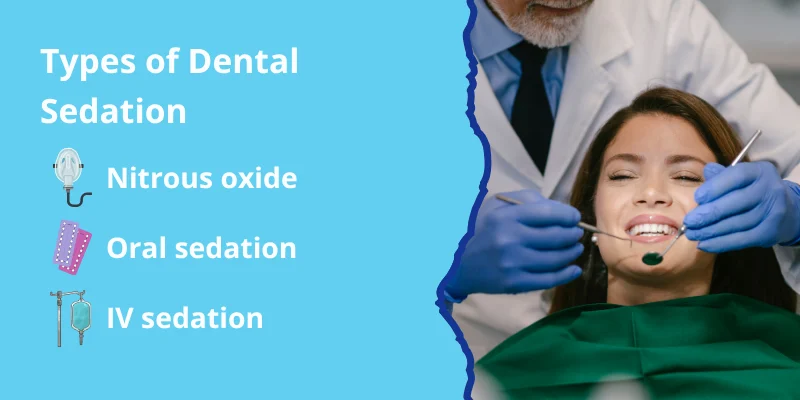
There are three main types used:
- Nitrous oxide (laughing gas): A mild sedative that wears off quickly.
- Oral sedation: Pills you take before your visit to feel drowsy.
- IV sedation: Stronger medication given through a vein, useful for longer or more complex treatments.
Your dentist will choose the best option based on the treatment type and your comfort level. Sedation helps you stay calm, but you’ll still be awake enough to respond if needed.

The Role of Sedation in Cosmetic Dentistry
Cosmetic dental procedures often take extra time and require you to sit still. If you’re nervous, it can be hard to relax or keep your mouth open.
Sedation makes these treatments easier for you by reducing anxiety and discomfort. Whether you’re getting veneers, whitening, or other enhancements, sedation improves safety by keeping you calm.
It also helps your dentist work faster and more precisely. When you’re relaxed, the dentist can focus better on the details that make your smile look its best.
How Sedation Enhances Patient Experience
Using sedation with cosmetic dental procedures makes a big difference in how you feel. It lowers stress and pain, so you can sit through longer sessions without discomfort.
Many patients say sedation helps them avoid fears that once kept them from cosmetic care. Sedation also improves recovery by easing muscle tension and reducing gag reflexes during the procedure.
You’ll feel more comfortable before, during, and after your treatment. Plus, knowing you can relax may encourage you to get the cosmetic procedures you want without worry.
Benefits of Sedation for Cosmetic Treatments
Sedation dentistry helps you feel relaxed and calm during cosmetic dental work. It can ease your worries, make treatments more comfortable, and help with issues like a sensitive gag reflex.
Using various sedation techniques, your dentist can create a more comfortable experience for you.
Reducing Dental Anxiety and Fear
Many people feel nervous before cosmetic dental procedures. Fear can make it hard to sit still or follow instructions.
Sedation dentistry helps by calming your mind and lowering anxiety. Whether you choose nitrous oxide (laughing gas), oral sedation, or IV sedation, these options help you stay relaxed.
This means you won’t be scared or tense during your treatment. When anxiety is reduced, the procedure can go faster since you’re less likely to feel stressed or upset.
Your dentist will talk to you about the best sedation technique based on your anxiety level and health. This way, you can feel safe and supported throughout your appointment.
Improving Comfort During Procedures
Cosmetic treatments like veneers or teeth whitening can take time and sometimes cause discomfort. Sedation dentistry makes these procedures easier by dulling pain and helping you relax.
Sedation allows you to sit still without feeling tense or uncomfortable. You might not notice when longer or more detailed work is done, which is helpful for both you and your dentist.
Using sedation means you can handle treatments that might feel intense or difficult otherwise. It creates a calm space where your comfort is a top priority.
Managing Gag Reflex and Sensitivity
If you have a strong gag reflex, certain dental tools or procedures can feel upsetting or hard to tolerate. Sedation dentistry helps reduce this reflex, so you feel less sensitive.
Sedation allows you to control your body’s natural reactions. When your gag reflex is calmer, your dentist can work more efficiently and safely.
This benefit is also useful if you have sensitive teeth or gums. Sedation helps minimize discomfort linked to these sensitivities, making cosmetic treatments smoother.
By using sedation techniques tailored to your needs, your dentist can help you stay comfortable and relaxed during any procedure.
Want a More Relaxed Cosmetic Dental Experience? Explore how sedation can make your treatment smoother and more comfortable. Reach out to CU Dentist to learn which option is right for you.
Sedation Options Available for Cosmetic Procedures
You have several ways to stay calm and comfortable during your cosmetic dental work. Each option works differently, so you can choose what fits your needs and the type of procedure you are getting.
Some methods let you stay awake but relaxed, while others may help you sleep through the treatment.
Nitrous Oxide (Laughing Gas)
Nitrous oxide, or laughing gas, is a popular choice if you want mild sedation. You breathe it in through a small mask, and it helps you feel relaxed and less anxious.
It works quickly and wears off almost right after the treatment, so you can usually drive yourself home. This option is great for shorter procedures like teeth whitening or small cosmetic fixes.
It does not put you to sleep but makes you feel calm and comfortable. Nitrous oxide is safe for most people, and your dentist will control the amount you receive throughout your visit.
Oral Sedation Methods
Oral sedation uses pills or liquid medicine to help you relax before your appointment. You take the sedative about an hour before your procedure.
These medications vary from mild to moderate strength. With oral sedation, you usually remain awake but may feel drowsy or a little sleepy.
This method suits people with mild to moderate anxiety and works well for longer sessions like getting veneers or crowns. Since it takes longer to wear off, you’ll need someone to drive you home afterward.
Research reports that oral sedation, especially benzodiazepines like midazolam in doses of 7.5–15 mg, is effective in reducing anxiety during dental procedures. The systematic review of randomized controlled trials found that patients experienced strong anxiety relief and high satisfaction, though higher doses were linked to more side effects.
The findings show that sedation is both effective and generally safe, making it a helpful option for patients seeking a more relaxed, comfortable cosmetic dental experience.
IV Sedation and General Anesthesia
IV sedation delivers medicine directly into your veins, offering a deeper level of relaxation. You might feel very sleepy or even fall asleep during the procedure.
Unlike oral sedation, IV sedation works fast and can be adjusted during treatment. General anesthesia is less common for cosmetic dental work but used for very complex or long procedures.
It makes you fully unconscious and requires special care before and after treatment. Both types require a trained professional to monitor you closely.
You will need a ride home and some recovery time after these sedations because the effects last longer.
Local Anesthesia for Cosmetic Dentistry
Local anesthesia numbs just the area where the dentist is working. It does not affect your awareness or anxiety but prevents pain during treatments like bonding, veneers, or crown placement.
Usually, local anesthesia is injected or applied as a gel. It’s safe, fast-acting, and lasts only through the procedure.
Many cosmetic patients use it alone or with mild sedation for a pain-free and stress-free experience. If pain control is your main concern, local anesthesia might be enough without needing stronger sedation.
A research shows that certain local anesthetics, including lidocaine and bupivacaine, have antimicrobial properties in addition to their numbing effects. These anesthetics can help reduce bacterial load during injections and dental procedures, offering an added layer of protection against potential infection.
This is especially helpful in cosmetic dentistry, where even minor soft-tissue manipulation or precision work requires a clean environment. By lowering the risk of introducing bacteria, these anesthetics support safer procedures and help reduce post-treatment discomfort for patients seeking aesthetic improvements.

Common Cosmetic Dentistry Procedures Enhanced by Sedation
If you feel nervous about dental work, sedation can make many cosmetic procedures easier and more comfortable. It helps you stay relaxed during treatments that might take time or require precision.
Teeth Whitening and Smile Makeover
Teeth whitening is one of the simplest ways to brighten your smile, but some people feel anxious about the procedure or the sensitivity it can cause. Sedation helps you stay calm throughout, especially during longer sessions or when multiple areas need treatment.
A full smile makeover often includes teeth whitening as a starting point, combined with other cosmetic steps. Sedation lets you undergo several treatments in one visit without feeling overwhelmed.
This can save time and reduce discomfort while improving your confidence.
Veneers and Porcelain Veneers
Veneers are thin shells placed over your teeth to fix chips, gaps, or discoloration. Porcelain veneers look natural and last longer but require careful preparation of your teeth.
Using sedation helps if you feel nervous about the shaping and fitting process, which can take multiple appointments. It lets the dentist work precisely while you stay relaxed and still.
Sedation also reduces anxiety about the sensations during veneer bonding, making your experience smoother.
Dental Implants and Implant Procedures
Dental implants replace missing teeth with sturdy, natural-looking roots and crowns. This procedure often involves surgery, making sedation very useful.
Sedation helps you avoid anxiety during the drilling and placement of the implant. It also allows for longer appointments needed to complete the process in stages.
With sedation, your comfort is our top priority, so you can focus on healing and enjoying your new smile.
Curious About Sedation Options for Your Cosmetic Dentistry Treatment?
Learn how CU Dentist helps you stay relaxed and comfortable during your procedure. Contact our Rantoul or Champaign clinic for expert guidance and to discuss which sedation method best fits your needs.
Crowns and Restorative Cosmetic Treatments
Crowns cover damaged or weak teeth to restore both appearance and function. You might get crowns as part of cosmetic dentistry to fix broken or stained teeth.
Sedation reduces discomfort during tooth preparation and fitting, especially if multiple crowns are placed. It also helps if you need other restorative treatments along with cosmetic work.
By relaxing you, sedation improves both safety and the quality of dental care.
Patient Considerations for Sedation Dentistry
When thinking about sedation dentistry for cosmetic dental procedures, it’s important to know what works best for your health, what the process looks like, and how safe the sedation options are.
Understanding these details helps you feel more comfortable and prepared.
Assessing Candidacy for Sedation
You’ll need to talk with your dentist about your health history before using sedation. Conditions like heart problems, respiratory issues, or allergies can affect which sedation technique is safe for you.
Your dentist may ask about medications you’re taking because some can interact with sedation drugs. Be honest about any past reactions to sedation or anesthesia.
Sedation options, such as oral sedation, IV sedation, or nitrous oxide, vary in strength. Your dentist will help pick the right one based on your anxiety level and the cosmetic procedure you need.
This careful assessment keeps you safe and relaxed.
What to Expect Before and After Sedation
Before your appointment, you might need to avoid eating or drinking for several hours. This is especially true if you’re getting IV sedation or deeper sedation.
During the procedure, sedation helps you stay calm and pain-free. Some options, like nitrous oxide, wear off quickly, letting you leave soon after.
Afterward, you may feel sleepy or groggy for a few hours. It’s important to have someone drive you home if you had strong sedation and to avoid making major decisions until you’re fully alert.
Risks and Safety of Sedation Techniques
Sedation dentistry is generally safe, but it’s important to know the possible risks. Side effects can include nausea, dizziness, or allergic reactions, though these are rare.
Your dentist monitors your vital signs closely throughout the procedure. This includes your heart rate and oxygen level to keep you safe.
Sedation doses are carefully controlled. Your dentist’s team is trained to handle any emergencies and to adjust sedation based on your response.
If you follow pre-appointment instructions and share your health information, the chances of complications are very low.
This helps you get the cosmetic dental work you want with peace of mind.
If you want a stress-free experience with trusted sedation options, schedule a visit at CU Dentist in Rantoul, IL, or Champaign, IL to book your appointment and get personalized care from our expert team.
Frequently Asked Questions
Sedation dentistry for cosmetic procedures involves different medication types and preparation steps. Knowing the risks, recovery time, and insurance coverage can help you plan better. Sedation can work with many cosmetic treatments but may not be right for all cases.
What types of sedation are commonly used for cosmetic dental procedures?
You can expect three main types of sedation: nitrous oxide (laughing gas), oral sedation, and IV sedation. Each offers different levels of relaxation, from light calmness to deeper sedation, depending on your needs.
How do I prepare for a cosmetic dental procedure with sedation?
Your dentist will review your medical history. You may be asked to avoid eating or drinking before the appointment. It’s important to arrange for someone to drive you home. Sedation can affect your ability to focus and react.
What are the risks associated with sedation during cosmetic dentistry?
Sedation is generally safe but can cause side effects like nausea, dizziness, or allergic reactions in rare cases. Your dentist will monitor you closely and discuss any health conditions that might affect sedation safety.
How long does recovery take after sedation for a cosmetic dental treatment?
Most people recover from sedation within a few hours. You might feel groggy or tired afterward, so rest is recommended for the rest of the day.
Will my dental insurance cover sedation for cosmetic procedures?
Insurance coverage for sedation in cosmetic dentistry varies. Many plans don’t cover sedation for elective cosmetic work, though some may cover it if needed for anxiety or medical reasons.
Can sedation be used for all types of cosmetic dental treatments?
Sedation can be used for many treatments like veneers, whitening, and implants. The type of sedation and whether it’s needed depends on the length and complexity of the procedure and your comfort level.