



Losing a tooth affects more than your appearance. It changes how you eat, speak, and feel about yourself every day. Many people think: are dental implants worth it, especially when they hear about the upfront costs?
Dental implants cost more initially than other tooth replacement options, but they often prove more cost-effective over time because they can last decades with proper care and don’t require frequent replacements like dentures or bridges.
A single implant typically ranges from $3,000 to $6,000. While this seems high at first, understanding what you’re actually paying for helps you make a smart decision about your oral health.
This guide breaks down the real costs of permanent tooth replacement and compares implants to other options.
You’ll learn about the factors that affect price, how implants protect your jawbone, and what makes them a good choice for many people. By the end, you’ll know if dental implants fit your needs and budget.
Key Takeaways
- Dental implants include the titanium post, abutment, and crown, with additional costs for procedures like bone grafting if needed
- Implants preserve your jawbone and last 25+ years while dentures need replacement every 5-8 years and bridges last 7-10 years
- Insurance rarely covers the full cost, but many dental offices offer payment plans and financing options to spread expenses over time
Table of Content
- Understanding Dental Implants and Treatment Process
- Cost Breakdown and Financing for Implants
- Comparative Analysis of Tooth Replacement Solutions
- Long-Term Health Benefits and Durability
- Risks, Maintenance, and Considerations for Candidates
- Frequently Asked Questions
Understanding Dental Implants and Treatment Process
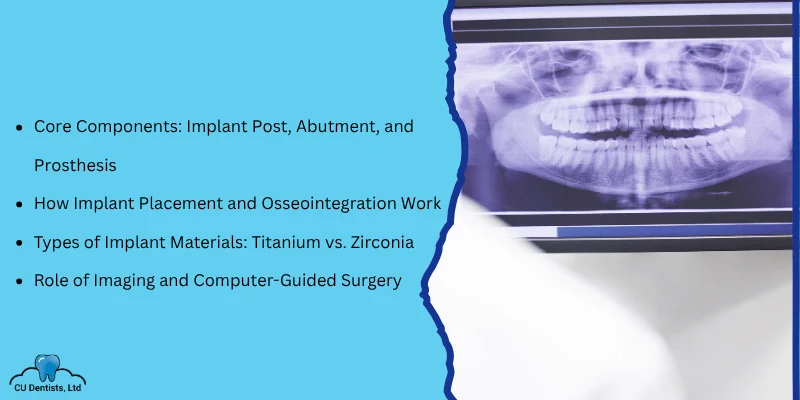
Dental implants consist of three main parts that work together to replace missing teeth, and the placement process relies on your bone fusing with the implant post through a biological process called osseointegration.
Core Components: Implant Post, Abutment, and Prosthesis
A dental implant has three essential parts that create a complete tooth replacement. The implant post is a small screw that goes into your jawbone and acts as an artificial tooth root.
This post is typically made from titanium or zirconia and provides the foundation for everything else.
The abutment sits on top of the implant post and connects it to the visible part of your tooth. Your implant specialist attaches this connector piece after your jawbone has healed around the post.
Some dentists use a custom abutment designed specifically for your mouth to ensure the best fit.
The prosthesis is the crown that looks like a natural tooth. It attaches to the abutment and gives you back your ability to chew and smile confidently. This visible portion is made to match your other teeth in color and shape.
How Implant Placement and Osseointegration Work
The implant surgery process begins with your dentist creating a treatment plan based on detailed scans of your mouth.
During the procedure, they make a small opening in your gum and drill a precise hole into your jawbone. The implant post is then carefully placed into this space.
Osseointegration is the natural process where your bone grows around and fuses with the implant post. This typically takes three to six months and is what makes dental implants so stable.
Your bone cells actually attach to the implant surface, creating a permanent bond.
During this healing time, you may wear a temporary tooth replacement. Once osseointegration is complete, your implant dentistry team will attach the abutment and crown.
The entire process from start to finish usually takes several months but results in a tooth replacement that functions like your natural teeth.
Types of Implant Materials: Titanium vs. Zirconia
Titanium implants are the most common choice in implant dentistry and have been used successfully for decades.
They’re strong, lightweight, and biocompatible, meaning your body accepts them well. Titanium has an excellent track record for successful osseointegration.
Zirconia implants are a newer option made from white ceramic material. They’re metal-free, which appeals to people with metal sensitivities or those who prefer a more natural approach.
Zirconia implants are also tooth-colored, so they won’t show through your gums if you have thin tissue.
Both zirconia and titanium implant materials have high success rates, but titanium has more long-term research supporting its durability.
Zirconia implants are gaining popularity but cost more and may not be available from all implant specialists. Your dentist will recommend the best option based on your specific needs and bone quality.
Role of Imaging and Computer-Guided Surgery
3D imaging technology has transformed how dentists plan and perform implant surgery. These detailed scans show your bone density, nerve locations, and sinus cavities, helping your dentist avoid complications.
The images create a complete digital map of your jaw.
Computer-guided surgery uses your 3D imaging data to create a precise surgical guide. This custom tool fits over your teeth or gums and shows your dentist exactly where to place each implant post. The guide ensures accuracy down to the millimeter.
This technology makes procedures safer and more predictable. You typically experience less pain and faster healing because the surgery is less invasive.
Computer-guided surgery also reduces the chance of needing revision procedures, making it a valuable part of modern treatment planning.
Cost Breakdown and Financing for Implants
The cost of dental implants includes multiple components beyond the implant itself, and prices vary based on several factors.
Most patients need to plan for financing since dental insurance typically provides limited coverage for implants.
What Influences the Cost of Dental Implants
A single dental implant costs $3,000 to $6,000 on average, but this total includes three separate parts. The implant post itself runs $1,000 to $2,000, the abutment connector costs $300 to $500, and the crown ranges from $1,000 to $3,000.
Your location affects pricing significantly. Major cities on the Northeast and West Coast charge $4,500 to $6,000 per implant, while the Midwest and Mountain West typically cost $3,000 to $4,500.
Additional procedures add to your total expense. About 50% of patients need bone grafting, which costs $300 to $3,000.
Other common extras include tooth extractions ($150 to $600), sinus lifts ($1,500 to $3,000), and 3D CT scans ($150 to $500).
The implant brand and materials you choose matter too. Premium brands like Nobel Biocare and Straumann cost 20% to 30% more than economy options.
Zirconia implants run $1,500 to $3,000 compared to standard titanium implants at $1,000 to $2,000.
Comparing Implant Cost With Other Tooth Replacement Options
Dental implants have a higher upfront dental implant cost but often cost less over time. Over a 20-year period, implants cost $3,500 to $7,000 total since they last 25+ years with minimal maintenance.
Dental bridges initially cost $1,500 to $5,000 but need replacement every 7 to 15 years. This brings the 20-year cost to $4,500 to $15,000.
Partial dentures start at just $500 to $2,500 but require relining or replacement every 5 to 8 years, totaling $2,500 to $12,500 over two decades.
Implants also preserve your jawbone and don’t require grinding down healthy adjacent teeth like bridges do. You can eat normally without worrying about adhesives or removal.
Insurance Coverage, Financing, and Payment Strategies
Most dental insurance plans consider implants cosmetic and either exclude them entirely or cover only 10% to 50% of the cost. Annual maximums typically cap at $1,000 to $2,000, far below what you’ll actually pay.
Your insurance might cover the consultation, X-rays, tooth extraction, and crown portion while excluding the implant surgery itself.
Some patients have success filing claims through medical insurance if tooth loss resulted from an accident or cancer treatment.
CareCredit and other healthcare credit cards offer 0% APR for 6 to 24 months on qualifying purchases, though rates jump to 15% to 27% after the promotional period ends.
Many dental offices provide in-house financing with 10% to 20% down and monthly payments at 0% interest if paid within 12 to 24 months.
You can use HSA or FSA accounts to pay with pre-tax dollars, effectively reducing costs by 20% to 30%. Personal loans from banks or credit unions typically offer fixed rates of 6% to 15% APR for 2 to 7 years.
Ask about splitting treatment across two calendar years during your implant consultation to maximize two years of insurance benefits.
Comparative Analysis of Tooth Replacement Solutions
When you’re weighing tooth replacement options, understanding how implants stack up against alternatives helps you make the right choice for your budget and lifestyle.
Dental Implants vs. Dentures and Dental Bridges
Dentures typically cost £600-£2,000 per arch and last 5-10 years before you need replacements. They sit on your gums and can slip during eating or speaking.
You’ll also spend about £120 yearly on adhesives and £200 every two years for relines.
Dental bridges range from £400-£1,500 and last 10-15 years. Your dentist files down the healthy teeth on either side of the gap to anchor the bridge. This means damaging two good teeth to replace one missing tooth.
| Option | Initial Cost | Lifespan | Bone Preservation |
| Implants | £2,000-£4,500 | 20-25+ years | Yes |
| Bridges | £400-£1,500 | 10-15 years | No |
| Dentures | £600-£2,000 | 5-10 years | No |
Over 20 years, a bridge might cost you £5,300 total when you factor in replacements and adjacent tooth damage. An implant stays at £3,000 with no additional costs.
All-on-4, All-on-6, and Implant-Supported Denture Choices
All-on-4 uses four strategically placed implants to support a full arch of teeth. You’re looking at £12,500-£15,000 per arch, but you get fixed teeth that don’t move.
All-on-6 adds two extra implants for additional stability. This costs slightly more but distributes force better across your jaw.
Implant-supported dentures snap onto 2-4 implants per arch and cost around £15,000 for both arches. You can remove them for cleaning, unlike All-on-4 which stays permanently fixed.
Traditional removable dentures restore only 25% of your normal eating ability. All-on-4 restores about 90%, and implant-supported dentures hit around 70%. The implants also prevent the bone loss that happens with regular dentures.
Bridge Replacement and Full-Mouth Reconstruction Considerations
When your existing bridge fails after 10-15 years, you face a choice. The teeth supporting it may have weakened, meaning you might need implants anyway.
Full-mouth reconstruction with individual implants costs around £35,000 for both arches. That’s expensive upfront but gives you the closest thing to natural teeth. Each tooth functions independently with 95% of normal chewing power.
If you’re missing most or all teeth, weigh these options:
- All-on-4 both arches: £25,000 total, permanent solution
- Full implants: £35,000, maximum function
- Implant-retained dentures: £15,000, removable but stable
Your jawbone condition matters for full-mouth work. If you’ve worn dentures for years, bone loss might require grafting before implant placement.
This adds time and cost but makes implants possible when you thought they weren’t an option.
Long-Term Health Benefits and Durability
Dental implants provide lasting advantages that extend well beyond tooth replacement. They actively preserve your jawbone structure, restore full chewing ability, and require straightforward daily care similar to your natural teeth.
Prevention of Bone Loss and Jawbone Preservation
When you lose a tooth, your jawbone begins to deteriorate through a process called bone resorption. Without the stimulation that tooth roots provide, your bone density can decrease by 25% in the first year alone.
Dental implants are the only tooth replacement option that can prevent bone loss effectively. The titanium post acts like a natural tooth root, providing the pressure and stimulation your jawbone needs to maintain its strength.
This ongoing stimulation triggers your body’s natural bone-building processes.
Your facial structure depends on adequate jawbone health. As bone resorption continues over time, it can lead to a sunken facial appearance and premature aging.
By choosing implants, you’re investing in jawbone preservation that maintains your face’s natural contours and prevents the collapsed look that often comes with traditional dentures.
Chewing Function and Natural-Looking Smile
One of the most significant benefits of dental implants is the restoration of your full bite force. You’ll regain approximately 80-90% of your natural chewing power, compared to just 20-25% with traditional dentures.
This improved chewing function means you can eat your favorite foods without restriction. Crunchy vegetables, tough meats, and sticky foods are all back on the menu.
Your nutrition improves when you’re not limited to soft foods.
Implants also deliver a natural-looking smile that’s virtually indistinguishable from your original teeth. The custom-designed crowns match your existing teeth in color, shape, and size.
Unlike dentures that can slip or look artificial, your implants stay firmly in place and blend seamlessly with your smile.
Oral Hygiene and Ongoing Implant Care
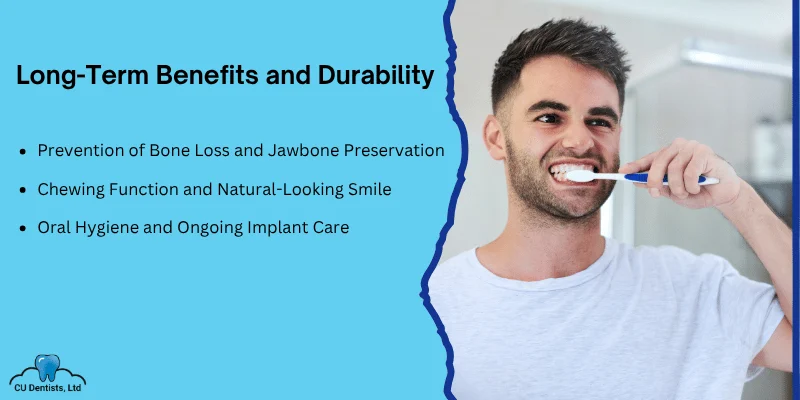
Maintaining your implants doesn’t require special products or complicated routines. You care for them just like natural teeth through regular brushing and flossing.
Good oral hygiene practices are essential for implant longevity. You should:
- Brush twice daily with a soft-bristled toothbrush
- Floss daily around the implant and crown
- Use an antibacterial mouthwash to reduce bacteria
- Schedule professional cleanings every six months
Your implants won’t decay like natural teeth, but the surrounding gum tissue still needs protection. Keeping the area clean prevents peri-implantitis, an inflammatory condition that can threaten your implant’s stability.
With proper maintenance and care, your implants can last 20-30 years or even a lifetime.
Risks, Maintenance, and Considerations for Candidates
While dental implants have high success rates, understanding potential complications and whether you’re a good candidate helps you make an informed decision.
Your overall health, bone structure, and commitment to oral hygiene all play important roles in long-term implant success.
Potential Complications and Signs of Implant Failure
Implant failure can occur soon after the dental implant procedure or years later. If your implant feels loose or painful, you should contact your dental provider right away.
Common complications include:
- Damage to surrounding teeth during placement
- Injury to tissues like sinus perforation
- Infection at the implant site
- Nerve damage causing numbness
- Abutment screw loosening
Peri-implantitis is a serious condition where infection develops in the bone and gums around your implant.
This happens more often when you don’t clean your implants properly. Smoking can slow healing and increase your risk of implant failure.
Uncontrolled diabetes also raises your chances of systemic infection around the implant. You need to tell your dentist about any health conditions before getting implants.
Bone Grafting and Sinus Lift Requirements
Your jawbone needs enough height and width to support a dental implant. If you’ve had missing teeth for a long time, bone loss may have occurred in that area.
A bone graft adds material to your jaw to create a strong foundation for the implant. This procedure can add several months to your treatment timeline. You’ll need to wait for the grafted bone to heal before getting your implant.
A sinus lift becomes necessary when you need an implant in your upper back jaw but don’t have enough bone density.
The sinus floor is raised to make room for bone material. Both procedures increase the total cost of your treatment but help ensure long-term success.
Patient Candidacy and Custom Treatment Planning
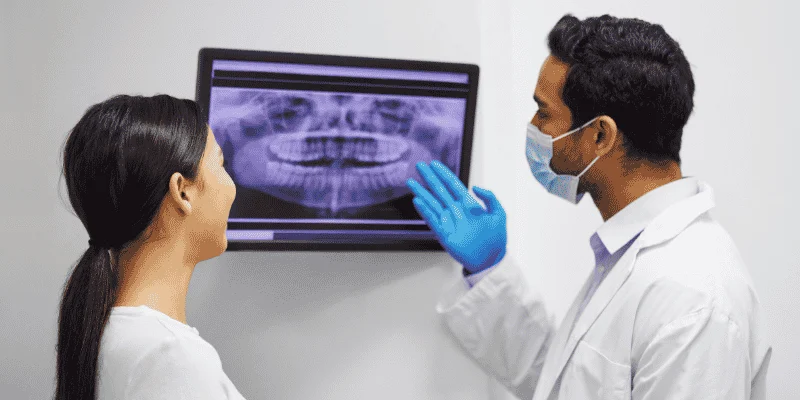
Your overall health determines whether you’re a good candidate for implants. Your dentist will evaluate your bone density, gum health, and medical history before creating a treatment plan.
Who makes a good candidate depends on several factors. You need healthy gums and adequate bone to support the implant. If you have untreated periodontal disease, you’ll need to see a periodontist first.
Key factors your dentist considers:
- Current medications
- Smoking habits
- Bone quality and quantity
- Oral hygiene practices
- Commitment to regular maintenance visits
A single tooth implant requires different planning than full mouth reconstruction. Your dentist will take imaging scans to see your bone structure and plan the exact placement angle and depth.
Frequently Asked Questions
Dental implants can last 25 years or longer with proper care, while bridges typically need replacement every 7-10 years and dentures every 5-8 years. The total implant price covers multiple procedures and components, but factors like your bone health and oral hygiene habits significantly impact how much value you get from your investment.
How long do dental implants typically last compared to bridges or dentures?
Dental implants can last a lifetime with good oral hygiene and regular dental checkups. Most implants remain functional for 25 years or more when you take care of them properly.
The crown attached to your implant may need replacement every 10-15 years due to normal wear. But the implant post itself, which sits in your jawbone, rarely needs replacement.
Bridges typically last 7-10 years before requiring replacement. The teeth that anchor your bridge also face increased stress over time, which can lead to additional dental work.
Dentures have the shortest lifespan of these options, usually lasting 5-8 years. Your jawbone changes shape over time when you wear dentures, so they need frequent adjustments and eventual replacement to fit properly.
What costs are usually included in the total price of a dental implant (exam, imaging, surgery, crown, follow-ups)?
The total implant cost includes the implant post, abutment, and crown as three separate components. You’re paying for all the materials and labor needed to create your complete tooth replacement.
Your initial consultation and dental exam are typically included in the quoted price. Most dentists also include X-rays and 3D imaging to plan your treatment properly.
The surgical procedure to place the implant post in your jawbone is part of the total cost. This covers the dentist’s time, anesthesia, and use of the surgical facility.
Follow-up appointments to check healing and attach the abutment are usually included. Your final crown placement visit is also part of the package.
Some practices include a warranty or guarantee in their pricing. Ask what post-treatment care is covered if you experience any issues within the first year.
How do ongoing maintenance and repair costs differ between implants, bridges, and dentures over time?
Implants need minimal maintenance beyond your regular brushing, flossing, and dental checkups. You’ll spend about the same on routine care as you would for natural teeth.
Your implant crown might need replacement after 10-15 years of use, costing $1,000-$3,000. This is the main long-term expense you should plan for.
Bridges require special flossing tools and extra cleaning time around the anchoring teeth. You’ll likely need at least one bridge replacement during your lifetime, costing $2,000-$5,000 each time.
Dentures need regular adjustments as your jawbone changes shape, typically costing $100-$500 per adjustment. You’ll also need denture adhesives, cleaning solutions, and complete replacements every 5-8 years at $1,000-$3,000 per set.
When you calculate the lifetime value, implants often prove more cost-effective than repeated denture adjustments or bridge replacements.
What factors most affect the long-term value of dental implants, like bone health, oral hygiene, or smoking?
Your jawbone density and volume directly impact implant success. Strong, healthy bone allows the implant to fuse properly and stay stable for decades.
Good oral hygiene is critical for keeping your implants healthy long-term. Brushing twice daily and flossing around your implants prevents gum disease that could cause implant failure.
Smoking significantly reduces implant success rates and can interfere with healing. Smokers face higher risks of implant failure and bone loss around the implant site.
Uncontrolled diabetes affects how well your bone heals around the implant. Managing your blood sugar levels improves your chances of long-term implant success.
Regular dental checkups help catch problems early before they become expensive. Your dentist can spot signs of gum disease or bone loss and treat them promptly.
Teeth grinding or clenching puts extra stress on implants and crowns. You may need a night guard to protect your investment from damage.
Does dental insurance usually help cover implants, and what payment options are commonly available?
Most dental insurance plans don’t cover the full cost of implants. Some policies may help pay for related services like crowns, X-rays, or extractions.
Your insurance might classify implants as cosmetic rather than medically necessary. Review your policy carefully or call your insurance company to understand your specific coverage.
Many dental offices offer payment plans that let you spread costs over time. These in-house financing options often have flexible terms tailored to your budget.
CareCredit and similar healthcare financing companies provide extended payment terms for dental work. Some plans offer promotional interest-free periods if you pay the balance within a specific timeframe.
Health Savings Accounts (HSAs) and Flexible Spending Accounts (FSAs) can be used for implant costs. These accounts let you pay with pre-tax dollars, reducing your overall expense.
What are the most common complications that could add extra costs later, and how likely are they?
Implant failure occurs in about 5-10% of cases, requiring removal and possible replacement. This complication is more common in smokers and people with uncontrolled diabetes.
Infection around the implant site can develop shortly after surgery or years later. Early infections usually respond to antibiotics, but severe cases may require implant removal.
Peri-implantitis is gum disease around an implant that can damage the supporting bone. This condition affects up to 20% of implants over time but is preventable with good oral hygiene.
Crown damage or breakage can happen from accidents or teeth grinding. Replacing a damaged crown costs $1,000-$3,000, depending on the material and your location.
Nerve damage during implant placement is rare but can cause numbness or tingling. This complication occurs in less than 5% of lower jaw implant cases.
Sinus problems can develop if an upper jaw implant penetrates the sinus cavity. This rare complication may require additional surgery to correct.