



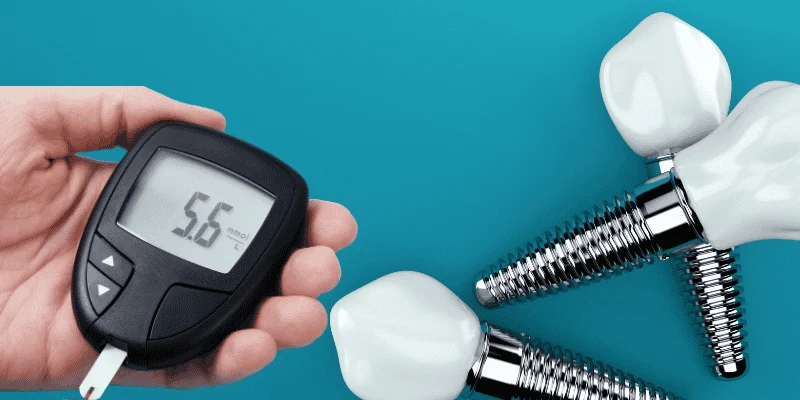
If you have diabetes and need dental implants, you might wonder how your condition affects your chances of success.
Diabetes can impact dental implant outcomes by affecting healing and bone integration, but with proper blood sugar control and careful planning, most diabetic patients can still achieve successful results.
When understanding diabetes and dental implant success, it is important to know that diabetic patients may experience slightly lower success rates compared to non-diabetic individuals, but the outcomes remain highly favorable when diabetes is well-managed.
Your body’s ability to heal and fight infection plays a big role in whether dental implants succeed. High blood sugar levels can slow down the healing process and make it harder for the implant to bond with your jawbone.
The good news is that understanding how diabetes affects dental implant healing helps you and your dental team create a treatment plan that works for your specific needs.
Managing your diabetes before and after implant surgery makes a real difference in your recovery and long-term success.
Controlled diabetes has minimal impact on implant outcomes, while poorly controlled blood sugar increases the risk of complications.
This guide will help you understand what to expect and how to improve your chances of getting the smile you want.
Key Takeaways
- Proper blood sugar control is essential for successful dental implant placement and healing in diabetic patients
- Diabetic patients can achieve good implant outcomes with careful treatment planning and glycemic management
- Long-term implant success depends on maintaining healthy blood sugar levels and following your dental care routine
Table of Content
- Diabetes Types and Their Influence on Oral Health
- Glycemic Control and Implant Success
- Implant Healing, Osseointegration, and Common Complications
- Treatment Planning and Risk Mitigation for Diabetic Patients
- Long-Term Outcomes and Quality of Life After Implant Placement
- Frequently Asked Questions
Diabetes Types and Their Influence on Oral Health
Different types of diabetes affect your mouth in unique ways, with each condition creating specific challenges for your gums, bones, and teeth. Understanding how type 1 diabetes, type 2 diabetes, and prediabetes impact your oral health helps you take the right steps to protect your smile.
Differences Between Type 1, Type 2, and Prediabetes
Type 1 diabetes is an autoimmune condition where your body doesn’t produce insulin. You typically develop this type early in life, and it requires insulin therapy for management.
Type 2 diabetes is the most common form, where your body either doesn’t use insulin properly or doesn’t make enough of it. This type often develops later in life and connects to lifestyle factors like weight and activity level.
Prediabetes means your blood sugar levels are higher than normal but not high enough for a diabetes diagnosis. You still face increased risks for oral health problems even at this stage.
Implant loss was significantly more frequent in patients with type 1 diabetes, showing that the type of diabetes you have directly affects your dental implant success rates.
Impact of Diabetes Mellitus on Gum and Bone Health
Diabetes mellitus creates serious problems for your gums and jawbone. High blood sugar levels weaken your immune system, making it harder for your body to fight infections in your mouth.
Your bone metabolism changes when you have diabetes. This affects how well your jawbone can support teeth and dental implants. The condition also slows down your body’s healing process after dental procedures.
Diabetes and oral health are closely related, especially regarding periodontal health. Your gums become more vulnerable to inflammation and infection when your blood sugar isn’t well controlled.
The bone around your teeth can break down faster if you have diabetes. This makes your teeth looser and can lead to tooth loss over time.
Tooth Loss and Periodontal Disease in Diabetic Patients
Periodontal disease ranks as one of the most common complications you face with diabetes. This gum disease starts with inflammation and can progress to severe damage of the tissues supporting your teeth.
You’re at higher risk for tooth loss when you have diabetes. In a recent study, periodontal disease and failed root canal treatment were the most common reasons for tooth loss in 36.67% of diabetic patients.
The relationship between diabetes and gum disease works both ways. Gum disease can make it harder to control your blood sugar levels, while poor blood sugar control worsens gum disease.
Key factors that increase your risk:
- Uncontrolled blood glucose levels
- Poor oral hygiene habits
- Smoking or tobacco use
- Length of time you’ve had diabetes
Glycemic Control and Implant Success
Your blood sugar levels directly affect how well dental implants integrate with your jawbone and stay healthy over time.
Research shows that patients with well-managed diabetes have implant success rates comparable to non-diabetic individuals, while poor glycemic control increases your risk of complications.
Role of HbA1c and Blood Sugar Monitoring
HbA1c testing measures your average blood glucose levels over the past two to three months. This test gives your dental team crucial information about your diabetes management.
Your HbA1c level helps predict implant outcomes. Studies have stratified patients into groups based on HbA1c values of less than 6%, 6-8%, 8-10%, and more than 10%. Each category shows different success rates.
Most dental professionals prefer your HbA1c to be below 7% before placing implants. Some recent research has examined patients with levels as high as 12%, though higher values increase complication risks.
Regular monitoring helps you and your dental team make informed decisions about timing and treatment planning.
Controlled vs. Uncontrolled Diabetes: Outcomes Compared
The difference between controlled and uncontrolled diabetes significantly impacts your implant results. Well-managed diabetes has minimal effect on implant success, but insufficiently controlled diabetes elevates the likelihood of complications, including implant failure and peri-implantitis.
Key outcome differences:
- Controlled diabetes: Near-normal implant survival rates
- Uncontrolled diabetes: Higher rates of bone loss around implants
- Controlled diabetes: Faster healing and osseointegration
- Uncontrolled diabetes: Increased infection risk and delayed recovery
Your blood glucose control directly affects bone quality and healing capacity. When you maintain stable blood sugar levels, your body responds better to the implant placement procedure.
Hyperglycemia, Inflammation, and Implant Failure
High blood sugar creates an environment that works against implant success. Hyperglycemia triggers chronic inflammation throughout your body, including around dental implants.
Marginal bone loss is a critical indicator of implant health. When you experience persistent high blood glucose, inflammatory markers increase in your gum tissue and bone.
This inflammation weakens the bone-implant connection.
Hyperglycemia also impairs your white blood cells’ ability to fight bacteria. Your body struggles to prevent infections around the implant site.
Additionally, high blood sugar slows down new bone formation, which is essential for the implant to integrate properly with your jawbone.
Strategies for Achieving Optimal Glycemic Levels
Working closely with both your medical doctor and dentist gives you the best chance for implant success. Start by stabilizing your blood sugar at least three months before implant surgery.
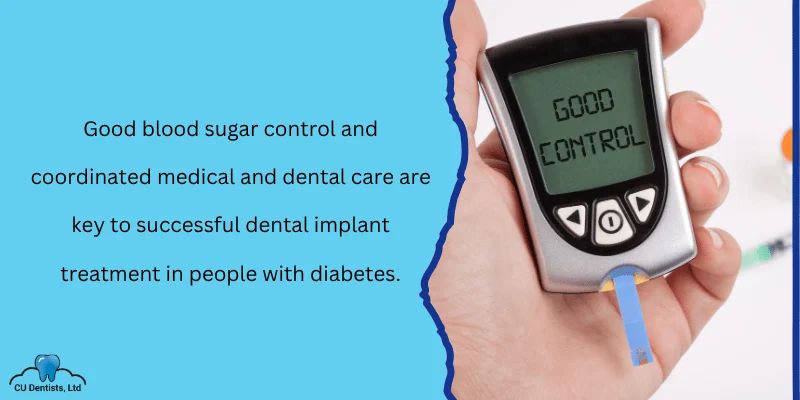
Effective management strategies include:
- Regular blood glucose testing and HbA1c monitoring every three months
- Following your prescribed diabetes medication schedule
- Maintaining a balanced diet with controlled carbohydrate intake
- Engaging in regular physical activity as approved by your doctor
- Attending all pre-operative and post-operative dental appointments
Your dental team may postpone implant placement if your HbA1c is too high. This delay protects you from potential complications.
Effective glycemic management and close monitoring are essential for improving implant success rates in diabetic patients.
Implant Healing, Osseointegration, and Common Complications
Diabetes affects how your body heals after implant placement and how well the implant bonds with your jawbone. High blood sugar can slow down recovery and increase your risk of infections and other problems around the implant.
Wound Healing and Delayed Recovery
When you have diabetes, your body takes longer to heal after dental implant surgery. High blood sugar levels reduce blood flow to the surgical site and slow down the natural healing process.
Your immune system doesn’t work as well when blood sugar is high. This makes it harder for your body to fight off bacteria at the wound site.
White blood cells that normally help heal wounds don’t move or function properly in high-glucose environments.
The healing delay can last several weeks longer than it would for someone without diabetes. Diabetes impairs bone healing, which means your dentist may need to wait longer before attaching the final crown to your implant.
Poor glucose control before and after surgery increases your risk of wound complications. Keeping your blood sugar in a healthy range helps your tissues heal faster and reduces the chance of problems.
Osseointegration Challenges in Diabetics
Osseointegration is the process where your jawbone grows around and fuses with the implant. This step is essential for long-term implant success.
Diabetes compromises osseointegration because high blood sugar interferes with bone cell activity. Your body produces fewer bone-building cells called osteoblasts when glucose levels are elevated.
At the same time, cells that break down bone become more active.
The bone that does form around your implant may be weaker and less dense. This can make the implant less stable over time. People with poorly controlled diabetes have higher rates of implant failure during the osseointegration phase.
Your dentist may recommend waiting three to six months for osseointegration to complete. People with diabetes often need even more time to ensure the bone has properly fused with the implant.
Bone Healing, Remodeling, and Marginal Bone Loss
Bone remodeling becomes critical to long-term implant survival once your implant is in use. Your jawbone constantly breaks down and rebuilds itself to stay healthy and respond to chewing forces.
Diabetes disrupts this balance. You may experience more bone breakdown than rebuilding around your implant. This leads to marginal bone loss, which is when the bone at the top of the implant starts to shrink away.
Marginal bone loss can cause your implant to become loose over time. The first few millimeters of bone around the implant collar are most vulnerable. People with diabetes tend to lose more bone in this area compared to those without the condition.
Good blood sugar control helps protect against excessive bone loss. Your dentist will take X-rays at regular checkups to monitor bone levels around your implant.
Peri-Implant Conditions: Mucositis, Peri-Implantitis, and Disease
Peri-implant mucositis is inflammation of the gum tissue around your implant. You might notice redness, swelling, or bleeding when you brush or floss. This condition is reversible if caught early.
If mucositis isn’t treated, it can progress to peri-implantitis. This more serious condition involves inflammation that spreads into the bone supporting your implant. Peri-implant disease can lead to bone loss and eventual implant failure.
Common signs include:
- Bleeding on probing during dental exams
- Increased probing depth around the implant
- Pus or discharge from the gum tissue
- Bone loss visible on X-rays
Diabetes increases your risk of developing these conditions because high blood sugar promotes bacterial growth and inflammation. Your immune system has a harder time controlling the bacteria that cause peri-implant disease.
Regular dental cleanings and good home care are essential. Your dentist may recommend more frequent checkups to catch problems early.
Treatment Planning and Risk Mitigation for Diabetic Patients
Successful dental implant placement in diabetic patients requires careful evaluation of your blood sugar control, detailed assessment of your jawbone quality, and close communication between your dentist and diabetes care team.
These steps help reduce complications and improve your chances of long-term implant success.
Patient Selection and Preoperative Assessment
Your dentist should measure your HbA1c level before scheduling implant surgery. Measuring HbA1c during treatment planning helps determine if your diabetes is controlled enough for safe implant placement.
Most dental professionals recommend an HbA1c level below 7-8% before proceeding with implants. If your levels are higher, you may need to work with your doctor to improve blood sugar control first.
Your dentist will also examine your jawbone density and gum health. Diabetes can weaken bone structure and slow healing, so these assessments help predict implant stability.
Bone Grafting and Augmentation Options
You might need a bone graft or bone augmentation procedure if diabetes has weakened your jawbone. These procedures add bone material to areas where bone loss has occurred, creating a stronger foundation for your implant.
Bone augmentation techniques can include:
- Ridge preservation to maintain bone after tooth extraction
- Sinus lifts for upper jaw implants
- Block grafts for severe bone loss
- Guided bone regeneration using membranes
Your healing time after bone grafting may take longer than non-diabetic patients.
However, systematic review data shows that diabetic patients with controlled blood sugar can achieve successful bone integration when given adequate healing time before implant placement.
Coordination Between Dental and Medical Teams

Your dentist and diabetes doctor should communicate throughout your treatment. This coordination ensures your medications won’t interfere with healing and that your blood sugar stays stable during recovery.
Your dental team may recommend more frequent follow-up appointments to monitor implant stability and catch early signs of complications.
Your medical team can adjust diabetes medications if needed to support healing.
This collaborative approach extends through prosthetic rehabilitation, when your permanent tooth replacement is attached.
Regular check-ins with both teams help maintain your oral rehabilitation success long-term and reduce the risk of peri-implantitis that diabetic patients face.
Long-Term Outcomes and Quality of Life After Implant Placement
Dental implants can last many years with proper care, but diabetes affects both how long they survive and your overall satisfaction with treatment.
Your blood sugar control directly impacts bone metabolism plays a central role in long-term implant survival and your ability to maintain healthy tissue around your implants.
Implant Longevity and Survival in Diabetics
Your implant survival rates depend largely on how well you manage your diabetes. Studies show that patients with well-controlled diabetes can achieve implant survival rates similar to people without diabetes.
However, poorly controlled diabetes heightens the risk of implant failure and complications.
Key factors affecting implant longevity include:
- HbA1c levels – Higher levels increase failure risk
- Duration of diabetes – Longer disease duration may impact outcomes
- Type of diabetes – Both Type 1 and Type 2 affect results differently
- Bone quality – Diabetes can weaken bone density over time
If your blood sugar stays consistently high, you face greater challenges with dental implant outcomes.
The bone around your implants needs to constantly rebuild itself to support the implant. This process slows down when diabetes is not controlled well.
Managing Peri-Implant Health Post-Surgery
You need to pay extra attention to the tissue and bone surrounding your implants after surgery. An increased risk of peri-implantitis has been reported in diabetes patients, making ongoing care critical for success.
Your post-surgery care routine should include:
- Professional cleanings every 3-4 months
- Daily brushing around implant sites
- Using interdental brushes or water flossers
- Regular monitoring of probing depths
- Immediate treatment of inflammation
Marginal bone loss around your implants serves as an early warning sign of problems. Your dentist will measure this bone loss at checkups to catch issues early.
You should also watch for bleeding when you brush or floss around implants, as this indicates inflammation that needs treatment.
Impact on Patient Satisfaction and Daily Living

Your prosthetic rehabilitation affects how you eat, speak, and feel about your appearance every day. Most patients report high satisfaction with their implants when they function properly and look natural.
Successfully placed implants improve your quality of life by:
- Restoring your ability to eat favorite foods
- Eliminating embarrassment about missing teeth
- Preventing facial collapse from bone loss
- Allowing clear speech without slippage
You may experience some limitations if complications develop. Infections or bone loss can require additional surgeries or adjustments to your prosthetic teeth. Keeping your diabetes well-managed gives you the best chance of enjoying your implants for many years without problems affecting your daily activities.
Frequently Asked Questions
People with diabetes often have specific questions about dental implants, from blood sugar targets to healing times. The answers depend on your individual health status and how well you manage your condition.
Can I get dental implants if I have type 2 diabetes?
Yes, you can get dental implants if you have type 2 diabetes. The key factor is keeping your blood sugar well controlled before and during treatment.
Most dentists will evaluate your overall health and glucose management. Well-controlled diabetes may not significantly impact implant success rates, while poorly managed diabetes can lead to complications.
Your dental team will work with your doctor to make sure you’re ready for the procedure. They’ll look at your recent blood sugar readings and any diabetes-related health issues you might have.
What HbA1c level do dentists usually want before placing dental implants?
Most dentists prefer an HbA1c level below 7% for dental implant procedures. This number shows your average blood sugar control over the past few months.
Some dental professionals may accept slightly higher levels depending on your overall health. Others might ask you to improve your glucose control first.
Your dentist will review your recent HbA1c results during your consultation. They may coordinate with your diabetes care team to determine the best timing for your procedure.
How does uncontrolled blood sugar affect implant healing and the risk of infection?
High blood sugar levels slow down your body’s natural healing processes. This happens because elevated glucose impairs white blood cell function, which your body needs to fight infections.
Uncontrolled diabetes also affects protein synthesis and collagen formation. These processes are essential for healing around implant sites and helping the implant integrate with your bone.
Uncontrolled diabetes may make problems more likely, such as infection and slow healing, which can affect whether your dental implant succeeds. Keeping your blood sugar stable during recovery helps reduce these risks.
Do dental implants take longer to heal if you have diabetes?
Dental implants may take longer to heal if you have diabetes, especially if your blood sugar hasn’t been well controlled. The initial healing phase can extend beyond typical timeframes.
Complete bone integration usually takes 3-6 months for most people. If you have diabetes, your dentist might plan for a longer healing period and schedule more frequent check-ups.
However, patients with good glucose control often heal at rates similar to people without diabetes. Your individual healing time depends on how well you manage your condition throughout recovery.
Are All-on-4 dental implants a good option for people with diabetes?
All-on-4 dental implants can work for people with diabetes who have good blood sugar control. This treatment uses four implants to support a full arch of replacement teeth.
The same principles apply as with single implants. You need stable glucose levels, healthy gums, and enough bone to support the implants.
Your dentist will assess whether you’re a candidate based on your diabetes management and oral health. They may recommend additional monitoring or modified treatment protocols to support success.
Can diabetics with bone loss still qualify for dental implants, and what treatments might help?
You may still qualify for dental implants even with bone loss from diabetes. Bone grafting procedures can rebuild the jawbone structure needed to support implants.
Your dentist will evaluate the amount and quality of bone you have. They might suggest bone grafting, sinus lifts, or other procedures to create a stable foundation.
Getting your diabetes under control before these procedures improves outcomes. Your dental team will create a treatment plan that addresses both your bone loss and diabetes management needs.