



You can keep your dental implants healthy and working for years by keeping a few simple habits. Brush with a soft toothbrush, clean between implants daily, and see your dental team regularly to catch small problems before they grow.
Follow these steps and you’ll greatly lower the chance of infection, bone loss, or implant failure.
You’ll learn practical tips for gentle daily cleaning, what tools to use, which habits to avoid, and when to call your dentist. The rest of the article shows easy routines and clear signs to watch so you can protect your smile and your investment.
Key Takeaways
- Keep a simple daily cleaning routine to prevent infection and gum problems.
- Use the right tools and seek professional checks to maintain implant health.
- Avoid risky habits and act quickly on warning signs to protect long-term success.
Schedule a Dental Implant Care Visit in Champaign, IL
Fundamentals of Dental Implant Care
Good care keeps your implants healthy and functional. Daily cleaning, routine dental visits, and watching for early problems protect your investment.

Why Dental Implant Maintenance Matters
Dental implants need the same daily attention as natural teeth. Brush twice a day with a soft-bristle brush and low-abrasive toothpaste to remove plaque from the crown and around the gumline. Floss once a day; use a floss threader or interdental brush if space around the abutment is tight.
Professional cleanings matter. Visit your dentist or hygienist every 3–6 months so they can remove hard buildup and check for signs of inflammation or infection. If you smoke, quit; tobacco raises the risk of implant failure and slows healing.
Watch for warning signs: bleeding, persistent redness, swelling, pain, or a loose crown. Report these right away so your dentist can treat peri-implantitis or other issues before they harm implant longevity.
Understanding Osseointegration and Implant Longevity
Osseointegration is the process where bone grows around the implant titanium post and locks it in place. Proper healing takes weeks to months. Follow your dentist’s aftercare instructions (avoid hard chewing on the new implant and keep the area clean) to support stable bone attachment.
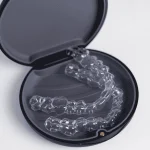
Long-term success depends on both biology and care. Good bone support, controlled medical conditions (like diabetes), and avoiding heavy forces (bruxism or chewing ice) lengthen implant life. Use a nightguard if you grind your teeth.
Track changes over time. Your dentist will take periodic X-rays to confirm stable bone levels. With steady home care and regular checkups, implants can function for many years.
Get Professional Dental Implant Maintenance in Rantoul, IL
Daily Oral Hygiene Essentials for Implants
Keep your implant area clean every day with the right tools and gentle technique. Focus on brushing along the gum line, removing plaque between teeth and around the implant, and using tools made for implants to avoid damage.
Brushing Techniques with a Soft-Bristled Toothbrush
Use a soft-bristled toothbrush to clean around the implant crown and gum line. Hold the brush at a 45° angle and use short, gentle strokes along the gum where the implant meets tissue. Pressing hard can irritate gums and scratch the crown surface.
Brush at least twice a day for two minutes each time. Spend extra time on the implant side (about 30 seconds per quadrant) and make sure you reach the chewing surfaces, the tongue side, and the gum line. Use a manual or electric soft-bristled brush; electric brushes with a small round head can help you reach tight spots without extra force.
Rinse the brush after each use and replace it every three months or sooner if bristles fray. If you feel soreness, switch to even softer bristles and check with your dentist.
Using Non-Abrasive Toothpaste and Interdental Brushes
Choose a non-abrasive toothpaste labeled safe for restorations or crowns. Avoid whitening or heavy-abrasive pastes that can dull or scratch implant crowns over time. Use a pea-sized amount and spread it gently across the brush before cleaning.
Interdental brushes help clear plaque where your toothbrush can’t reach. Pick a brush size that fits snugly without forcing it into the gap. Insert the brush gently between the implant and adjacent tooth, move it back and forth two to three times, then rinse. Use these brushes once daily, ideally before bedtime.
Keep interdental brushes clean by rinsing under water and allowing them to air dry. Replace them when bristles bend or after about a week of regular use.
Incorporating Implant-Specific Floss and Water Flossers
Use implant-specific floss or tape made for restorations. Slide the floss gently around the implant crown and under the gum line, forming a C shape against the tooth surface. Pull up and out; avoid snapping the floss down into gums.
A water flosser can be a good alternative or addition. Set it to a low-to-medium pressure and aim the tip at a 45° angle along the gum line around the implant. Move slowly around each implant for 5–10 seconds. Water flossers reduce bacteria and help remove food debris without harsh scraping.
Combine flossing and a water flosser daily for best results. If you use both, floss first to break up plaque, then use the water flosser to flush particles away. Ask your dentist which floss type and water flosser setting fit your implant care needs.
Protect Your Implants With Expert Dental Care Today
Effective Use of Mouth Rinses and Cleaning Tools
Use alcohol-free antimicrobial or antibacterial rinses when your dentist says it’s okay. Choose tools that reach under the gumline and between implants without scratching metal or irritating soft tissues.
Choosing Antibacterial and Antimicrobial Mouth Rinses
Pick an alcohol-free mouth rinse with active ingredients like chlorhexidine gluconate (CHX) or cetylpyridinium chloride (CPC) when you need extra infection control. CHX works well for short-term treatment of gum inflammation, but it can stain teeth and should not be used long term without dental advice.
CPC reduces bacteria with less risk of staining and is suitable for daily use.
Follow these steps:
- Use as directed by your dentist, usually once or twice daily for a limited time.
- Rinse for 30 seconds and then spit; do not swallow.
- Avoid rinses with high alcohol content because alcohol can dry tissues and slow healing.
If you have implant-supported dentures, rinse after removing and cleaning the prosthesis to lower bacterial buildup around abutments.
Gentle Cleaning Techniques Around Dental Implants
Clean implants gently to protect gums and implant surfaces. Use a soft-bristled or ultra-soft toothbrush and low-abrasive toothpaste to brush for two minutes twice daily. Angle the brush to clean the gumline around the crown.
For between-tooth cleaning:
- Use implant-specific floss, floss with a stiff end (Super Floss), or use soft interdental brushes with a coated wire to avoid scratching.
- Consider a water flosser on a low setting to flush debris and reduce bleeding; hold the tip at a 90-degree angle to the gumline.
- Avoid metal picks or hard, abrasive brushes that can damage the implant or irritate tissues.
Inspect the area regularly for redness, swelling, or bleeding. If you see these signs, contact your dentist for targeted cleaning and possible professional antimicrobial rinse use.
Professional Implant Maintenance and Monitoring
You should expect regular visits, targeted cleanings, and clear checks of your gums, bone, and prosthetic parts. These steps help catch problems early and keep your implant working well for years.
Importance of Regular Dental Checkups
You need checkups at least every 3–6 months, or as your implant dentist recommends based on your risk. During visits, the clinician will review your medical history, check gum health, and compare measurements to prior visits.
They will measure pocket depths around the implant and look for signs of bleeding, swelling, or pus that could signal peri-implant disease.
Peri-implant mucositis affects around 43 percent of dental implant patients, often caused by plaque accumulation.
Your dentist or hygienist will also inspect the crown, abutment, and implant hardware for looseness, wear, or damage. X-rays may be taken periodically to track bone level changes. Keeping a consistent recall schedule gives the team baseline data to spot small changes before they become major problems.
Professional Cleanings and Early Detection
Professional cleanings for implants use non-abrasive tools and low-abrasive powders to remove biofilm without scratching implant surfaces. Hygienists often use air polishing with soft powders or plastic-coated scalers instead of metal instruments to protect the implant.
They will remove plaque, check for cement or calculus buildup, and polish the prosthesis.
Early detection also happens during cleaning. Your clinician will probe gently to note tenderness or increased pocket depth and may perform peri-implantitis screening tests. If they find early mucositis or other issues, they will give homecare instructions, adjust recall frequency, or start local treatments to stop progression.
Monitoring Implant Health Between Visits
You play a key role in watching the implant between appointments. Check daily for swelling, redness, bleeding when brushing, or a bad taste; these can be early signs of trouble. Use interdental brushes or floss designed for implants and note any change in fit or looseness of the crown.
Keep a log of symptoms and any changes in cleaning routine, medications, or health conditions, and tell your implant dentist at your next visit or sooner if problems arise. If you have risk factors like smoking, diabetes, or past gum disease, you may need closer monitoring and more frequent professional care to protect the implant.
Avoiding Habits and Factors That Risk Implant Health
Care for your implants by stopping habits that harm them, watching medical risks that affect healing, and learning signs of trouble so you can act fast. Small daily choices and medical control make a big difference for long-term stability.

Avoiding Harmful Habits and Foods
Smoking and vaping raise your risk of peri-implantitis and implant failure. Tobacco cuts blood flow and slows healing, so quitting before and after surgery helps your implants integrate and stay healthy.
Avoid very hard or sticky foods that can stress crowns and screws. Don’t chew ice, hard candy, or open packages with your teeth. Use cut food into small pieces and chew on the opposite side if you feel soreness.
Limit acidic and sugary drinks that boost plaque. Rinse with water after soda, sports drinks, or citrus juice. Use a soft toothbrush and low-abrasive toothpaste to protect implant surfaces and soft tissue.
Managing Health and Lifestyle Factors
Control diabetes and other chronic conditions before implant surgery. High blood sugar increases infection risk and delays bone healing. Work with your doctor to keep A1C in target range.
If you grind or clench, ask about a night guard. Excessive force can loosen screws or cause bone loss around implants. A simple custom guard can cut mechanical stress and protect your restoration.
Tell your dentist about medications such as bisphosphonates or immunosuppressants. These can change healing or infection risk. Your dentist may coordinate with your physician for safe timing and extra precautions.
Recognizing and Preventing Implant Complications
Watch for early signs of trouble: bleeding when brushing, persistent redness, swollen gums, bad taste, or loosening of a crown. These can signal peri-implant mucositis or progressing peri-implantitis and need prompt care.
Attend regular cleanings every 3–6 months or as recommended. Professional visits remove calculus under restorations and catch bone loss on X-rays. Follow any tailored implant aftercare plan your hygienist gives you.
Never try to tighten loose parts yourself. If you see mobility, contact your implant dentist quickly so they can assess screws, check for infection, and treat issues before implant failure occurs.
Tips for Long-Term Success and Implant Longevity
Dental implants show a success rate of 95 percent or higher over 10 years when properly maintained.
Good daily habits, healthy food and drink choices, and regular dental visits keep implants stable and reduce the chance of infection or wear.
Diet and Hydration for Optimal Oral Health
Choose foods that protect your gums and jawbone. Eat lean proteins, dairy, and leafy greens to supply calcium and vitamin D for bone health. Avoid hard, crunchy items like ice or hard candies that can crack crowns. Cut sticky sweets that cling to implants and feed plaque.
Limit sugary drinks and sip water after meals. Drinking plain water helps wash away food particles and reduces acid that harms gum tissue. If you drink coffee or red wine, rinse or brush afterward to prevent staining and buildup.
Stay hydrated to support saliva, which neutralizes acids and controls bacteria. Aim for regular water intake through the day rather than large amounts at once.
Establishing Lifelong Implant Care Habits
Brush twice daily with a soft-bristled brush and non-abrasive toothpaste. Use gentle, circular strokes at the gumline where the implant meets the tissue. Electric brushes can be effective if they have soft heads.
Floss once a day using implant-specific floss, a floss threader, or an interdental brush sized to your gap. A water flosser can reach below the gumline without pressure. Clean around abutments and under prostheses as your dentist showed you.
See your dentist or periodontist every 3–6 months for professional cleaning and implant checks. Tell them if you notice redness, bleeding, or looseness. Quit smoking and wear a nightguard if you grind your teeth to protect your implant investment.
For more detailed cleaning steps and professional care tips, read this practical guide on how to clean dental implants.
Frequently Asked Questions
Daily cleaning, regular professional checks, the right tools, safe food and habit choices, and prompt attention to warning signs all keep implants healthy. Follow specific steps for brushing, interdental cleaning, clinic visits, and habits that reduce infection and mechanical wear.
What are the best daily oral hygiene practices for taking care of my dental implants?
Brush twice a day with a soft-bristled brush. Use a low-abrasive toothpaste to avoid scratching crowns or implant parts.
Clean between teeth and implants once a day with floss or an interdental brush. Make sure you reach under bridges or around implant posts to remove plaque.
Rinse with a non-alcohol antimicrobial mouthwash if your dentist recommends it. Drink water throughout the day to help clear food debris.
How often should I visit my dentist for dental implant maintenance check-ups?
Plan visits every 3–6 months, depending on your risk factors like smoking, diabetes, or past gum disease. Your dentist will tell you the best interval.
Expect a professional cleaning, gum health check, and sometimes X-rays to monitor bone around the implant. Stick to the recommended schedule to catch issues early.
What tools and techniques should I use for cleaning around my dental implants?
Use a soft manual or electric toothbrush and low-abrasive toothpaste. Angle the brush to clean along the gumline and around implant crowns.
Use floss designed for implants, a floss threader, or interdental brushes with nylon-coated wires. A water flosser can help flush debris from under bridges and around attachments.
Avoid metal instruments or hard picks at home that can scratch implant surfaces. Ask your hygienist to show the best motion and tools for your specific prosthesis.
Are there any specific foods or habits I should avoid to ensure the longevity of my dental implants?
Avoid chewing ice, hard candy, or very hard nuts with implant-supported teeth. These can crack restorations or stress the implant.
Do not smoke or use tobacco. Smoking raises the risk of infection and bone loss around implants.
Limit very sticky foods that can trap around prostheses and make cleaning harder. Use a night guard if you grind your teeth to reduce mechanical stress.
Could you provide tips on scaling and professional cleaning strategies for implanted teeth?
Request non-metal scaling instruments and air polishing when available. These tools remove biofilm and calculus without damaging implant surfaces.
Ask your clinician to check and tighten any screws and to take periodic X-rays to monitor bone levels. Have the hygienist show you how they clean under bridges so you can do the same at home.
If you have a full-arch prosthesis, plan for more frequent maintenance in the first years. Early monitoring and cleaning reduce the risk of peri-implant disease.
What are the signs of potential problems with dental implants that I should watch out for?
Look for persistent redness, swelling, or bleeding around the implant when brushing. These can be early signs of gum inflammation.
Watch for pus, a bad taste, increasing pocket depth, or mobility of the crown or implant. Any of these signs need prompt dental evaluation.
Note persistent or worsening pain, fever, or loose screws. Do not try to self-treat loose parts; contact your implant dentist right away.