



Facing a dental emergency can be scary, but knowing exactly what to do can make a big difference.
If you experience severe pain, uncontrollable bleeding, or a knocked-out tooth, it’s important to act immediately to protect your smile and reduce further damage.
Quick and proper action can help save your teeth and ease your pain until you get professional care.
Not all dental problems need emergency care, but some require prompt attention to avoid serious complications.
This guide will walk you through common urgent dental issues and simple steps you can take right away.
By understanding how to respond during a dental crisis, you’ll feel more confident and prepared if the unexpected happens to you.
Key Takeaways
- Knowing how to identify serious dental problems helps you respond quickly.
- Taking immediate, appropriate steps can reduce pain and prevent further harm.
- Being prepared and informed makes handling dental emergencies easier.
Need Emergency Dental Care in Champaign? Contact Us Now!
Recognizing a Dental Emergency
Knowing when a dental problem needs quick care helps you avoid bigger issues.
Some situations need you to call or visit a dentist right away, while others can wait for a regular appointment.
Understanding the difference keeps you calm and ready to act.
Dental Emergencies Versus Non-Emergencies
Not every dental pain or problem is an emergency.
A dental emergency means you need care fast to stop severe pain, bleeding, or infection.
For example, uncontrolled bleeding after an injury is an emergency.
So is having a severe toothache that won’t go away or swelling that makes it hard to breathe or swallow.
If you have minor pain, a lost filling without pain, or mild discomfort from braces, it can usually wait until normal office hours.
If you’re unsure, call your dentist.
They can tell you if your dental crisis needs immediate attention.
Signs You Need Immediate Dental Care
Here are clear signs that your dental problem is an emergency:
- Severe, ongoing tooth pain that doesn’t improve with painkillers
- Uncontrolled bleeding in or around your mouth
- Swelling in the face or gums that worsens or blocks your airway
- A tooth knocked completely out of its socket
- Broken or chipped teeth causing sharp edges or pain
- Signs of infection like fever, pus, or bad smell
- Pain after oral surgery that gets worse or won’t stop
If you see any of these, call your dentist or go to the emergency room.
Acting quickly can save your tooth and stop infections from spreading.
Save Your Smile: Reach Out for Expert Emergency Care in Champaign & Rantoul
Common Causes of Dental Emergencies
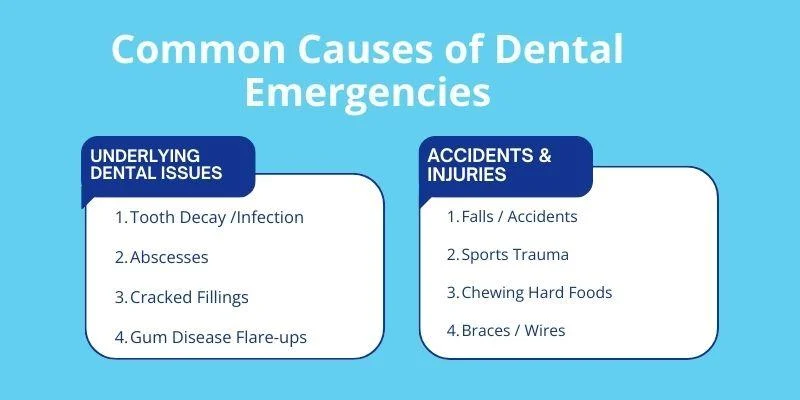
Dental emergencies happen for many reasons.
Often, tooth decay and infections cause severe pain.
If left untreated, these problems turn into abscesses or dead tooth pulp.
Injuries from accidents also cause dental crises.
Falls, car accidents, or playing sports without a mouthguard can cause knocked-out, chipped, or broken teeth.
Chewing hard things like ice or nuts can crack teeth too.
Other causes include cracked fillings, gum disease flare-ups, or problems with dental appliances like braces that cause cuts or pain.
Knowing these causes helps you prevent emergencies and recognize when you need fast care.
Many urgent issues can be avoided with consistent adult family dentistry care and preventive exams.
Immediate Steps to Take During a Dental Crisis
In a dental emergency, quick action matters.
You need to stay calm, control pain and swelling, and know when to get professional help to protect your teeth and oral health.
Staying Calm and Assessing the Situation
When you face a dental crisis, the first step is to stay calm.
Take a moment to check how bad the damage is.
Look for bleeding, loose or knocked-out teeth, and signs of trauma.
If there is bleeding, use clean gauze or a cloth to apply firm pressure for 10-15 minutes to help stop it.
Avoid touching or moving any broken teeth too much.
If a tooth is knocked out, rinse it gently with water (don’t scrub it) and try to keep it moist by placing it back in the socket or in milk until you get to an emergency dental clinic.
Managing Pain and Swelling
Pain and swelling can make a dental emergency even harder to handle.
You can take over-the-counter pain relievers like ibuprofen to help reduce discomfort and inflammation.
Follow the dosage instructions carefully.
Apply a cold compress or ice pack wrapped in a towel to the outside of your cheek near the injury.
Use it for 10-15 minutes at a time to lower swelling and numb pain.
Avoid putting heat on the area because it can make swelling worse.
Avoid eating hard or hot foods.
Drink plenty of water and try to keep your mouth clean by rinsing gently with warm salt water once bleeding stops.
When to Seek an Emergency Dentist or Emergency Room
About 1.9–2.0 million U.S. emergency department (ED) visits per year for tooth disorders / dental‑related issues and some dental problems need immediate professional care.
Call an emergency dentist if you have a knocked-out tooth, severe pain that won’t go away, uncontrolled bleeding, or a broken tooth causing sharp pain.
The best time to save a knocked-out tooth is within 30 to 60 minutes.
Go to the emergency room if the injury involves heavy bleeding, severe facial swelling, difficulty breathing or swallowing, or a jaw that looks broken.
A medical emergency might need care beyond what a dental clinic can provide.
Knowing where to go and when can protect your oral health and prevent further damage.
Act Fast: Save Your Teeth and Get Help Immediately!
How to Handle Common Dental Emergencies
Dental pain can be sharp or constant, and injuries may range from small chips to broken teeth.
Knowing quick, clear steps can help you ease pain and protect your mouth until you see a dentist. According to the National Library of Medicine, dental‑related ED visits represented around 1.4 % of all ED visits in 2018; the majority (95%) were “treat‑and‑release,” meaning the ED generally only handles urgent symptoms (pain, bleeding etc.) not full dental treatment.
Severe Toothache or Tooth Pain
If you have a severe toothache, it often means there’s an infection, decay, or irritation inside your tooth.
Start by rinsing your mouth gently with warm water.
Avoid putting aspirin or any painkiller directly on the tooth or gums; this can cause irritation.
Use over-the-counter pain relievers like ibuprofen to reduce pain and swelling.
Apply a cold compress to your cheek for 15 minutes to help with inflammation.
Avoid very hot, cold, or sweet foods as these can make the pain worse.
If the pain lasts more than a day or gets worse, contact your dentist quickly.
Severe tooth pain may signal a dental abscess, which needs professional care to avoid complications.
Abscess and Dental Infection
A dental abscess is a pocket filled with pus caused by infection.
It usually causes throbbing pain, swelling, redness, and sometimes fever.
These infections need fast action because the infection can spread.
Rinse your mouth with a mild saltwater solution multiple times a day.
This helps reduce bacteria and eases discomfort.
Use pain relief medications as directed, but don’t delay visiting a dental professional.
If you notice swelling in your face or neck, difficulty swallowing or breathing, or a fever, these are serious signs.
Go to an emergency room if you can’t reach your dentist.
Early treatment can stop the infection from spreading.
Chipped, Cracked, or Broken Tooth
With a chipped or cracked tooth, rinse your mouth with warm water to clean it.
Save any broken pieces.
If there’s bleeding, bite gently on gauze to stop it.
Avoid chewing on the injured side, and use a cold compress to reduce swelling or pain.
If the tooth is sharp or jagged, cover it temporarily with dental wax or sugarless gum to protect your cheek or tongue.
A broken tooth can allow bacteria inside, leading to infection, so see a dentist as soon as possible.
They can repair the tooth or recommend treatment to prevent further damage or pain.
Specific Scenarios: Lost or Damaged Dental Work
When dental work like fillings, crowns, or teeth get damaged, quick action is important.
Handling these situations right can relieve pain, protect your tooth, and prevent further problems.
Lost Filling or Crown
If you lose a dental filling or crown, your tooth becomes exposed and sensitive.
This can lead to pain, sensitivity to hot or cold, and even infection if left untreated.
Try to save the crown or filling if you can.
Rinse the crown or filling with warm water and gently clean your mouth.
Avoid chewing on that side to protect the tooth.
You can use dental cement or dental adhesive from a pharmacy to temporarily fix the crown, but don’t use household glue.
This will help protect your tooth until you see a dentist.
Make an emergency appointment as soon as possible.
Waiting can cause the tooth to weaken or get more damaged.
Broken or Knocked-Out Tooth
A broken crown or tooth needs fast care to save it.
If a tooth is knocked out, act quickly.
Hold the tooth by the crown, not the root, and rinse it gently with water if dirty.
Don’t scrub or remove any tissue attached to the root.
If you can, try to put the tooth back in its socket.
If that’s not possible, store the tooth in tooth preservation solution, milk, or your saliva.
Avoid water if you can.
Getting to your dentist within 30 to 60 minutes improves the chance of saving the tooth.
For a broken tooth or crown, save any pieces you find.
Rinse your mouth with warm water, avoid chewing on the damaged side, and visit your dentist immediately for repair.
Soft Tissue Injuries and Bleeding
Cuts or tears to your lips, gums, or tongue can cause serious soft tissue injuries.
If you notice severe bleeding, apply gentle pressure with a clean cloth or gauze to control it.
Avoid pressing hard, which can cause more pain or damage.
Rinse your mouth with warm saltwater to reduce bacteria and ease discomfort.
If bleeding doesn’t stop after 10-15 minutes or if the injury is deep, seek immediate dental care to prevent infection and ensure proper healing.
Soft tissue injuries might also need stitches or special treatment, so don’t wait to get professional help if swelling or pain gets worse.
Preventing Future Dental Crises
Taking care of your teeth every day and being prepared can help you avoid painful dental problems.
Small changes in your habits and regular visits to your dentist play a big role in keeping your smile healthy and free from emergencies.
Oral Hygiene Habits
Your daily routine is the first step to protect against cavities and gum disease.
Brushing your teeth twice a day with fluoride toothpaste helps remove plaque and prevent decay.
Don’t forget to use dental floss once a day to clean between teeth where your toothbrush can’t reach.
Rinsing with an antibacterial mouthwash can lower bacteria that cause inflammation and infections.
Avoid sugary snacks and drinks as they feed the bacteria that lead to cavities.
If you notice bleeding gums or tooth sensitivity, don’t ignore it; these are signs that your gums might need extra care.
Good oral hygiene makes problems like root canal therapy less likely by stopping infections early.
Keeping your mouth clean protects you from many future dental issues.
Protective Measures and Dental Emergency Kits
Using mouthguards during sports or physical activities can protect your teeth from injury.
Custom-fitted mouthguards are ideal because they fit comfortably and absorb shocks better than store-bought ones.
If you grind your teeth at night, a night guard can prevent cracks and worn-down teeth.
Having a dental emergency kit ready at home is smart.
It should include clean gauze, dental wax, a small container with a lid, pain relievers, and your dentist’s contact info.
This kit helps you manage sudden injuries like chipped teeth or lost crowns until you can see a dentist.
Being prepared can reduce pain and make a big difference while waiting for care.
Importance of Regular Dental Check-Ups
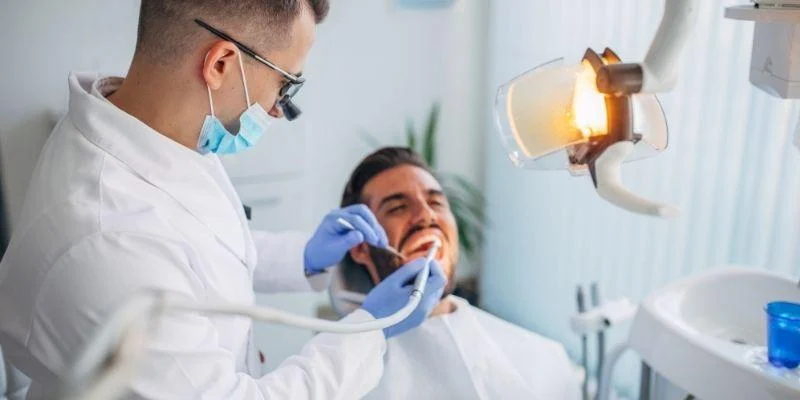
Visiting your dentist every six months helps catch problems before they become emergencies.
During regular dental check-ups, the dentist checks for early signs of decay, gum disease, and other issues you might not notice.
Professional cleanings remove hardened plaque that brushing can’t, reducing your risk of cavities and gum inflammation.
Your dentist can also spot subtle damage or infections early on, like those that might require root canal therapy if untreated.
Keeping up with regular dental check-ups keeps your oral health on track and helps you avoid unexpected dental crises.
Your dentist can give you advice tailored to your needs, too.
Learn more about emergency dental care and how to protect your smile at Smile Angels of Beverly Hills.
Frequently Asked Questions
You might wonder what to do if a dental problem happens outside regular office hours or if you don’t have insurance.
Knowing your options can help you act quickly and avoid more pain or damage.
How can I handle a dental emergency during the weekend?
If you need help on a weekend, many dental offices have emergency hotlines or after-hours services you can call. Your dentist might give advice or direct you to an urgent care center.
You can also try local emergency dental clinics that stay open on weekends.
Is it possible to get a tooth extracted at any time, even after hours?
Tooth extraction is usually done during regular office hours. In severe cases, such as extreme pain or infection, some dental offices or hospital emergency rooms can provide emergency extraction after hours.
Calling your dentist first will help you know the best place to go.
What are my options for dental emergencies if I’m uninsured?
If you don’t have insurance, you can visit community dental clinics or dental schools where costs are often lower. Some urgent care centers can treat dental pain but might not do procedures.
It’s good to call ahead and ask about fees and services.
Are there any walk-in dental clinics available for emergency situations?
Some areas have walk-in clinics designed for dental emergencies. These clinics don’t require appointments and focus on urgent problems like pain or injury.
Check online or ask your dentist for recommendations nearby.
Can hospitals provide help in dental emergencies?
Hospitals can handle serious dental emergencies, especially if there’s uncontrolled bleeding, severe infection, or facial trauma. They can stabilize you and sometimes provide emergency dental treatment.
What steps should I take for a dental emergency in the middle of the night?
First, try to control any bleeding with clean gauze. Reduce swelling with a cold compress.
If a tooth is knocked out, keep it moist by placing it in milk or saliva.
Call your emergency dentist or head to the nearest emergency room if pain or bleeding is severe.