



Family dentistry plays a big role in keeping your teeth and gums healthy as you get older. Many adults face common problems like cavities, gum disease, and tooth sensitivity that can be prevented with simple care.
Taking care of your oral health helps you feel more confident and avoids costly treatments later. Your family dentist can guide you on habits that protect your smile and catch problems early.
Learning how to prevent plaque buildup and manage risks will make a big difference in your long-term dental health. Family dentistry is not just for kids; it supports your whole family in building good habits that last.
Understanding key ways to protect your teeth can keep your smile strong and pain-free for years.
Key Takeaways
- Regular dental visits help prevent common adult oral health problems.
- Good daily habits reduce plaque and protect your teeth.
- Early care stops small issues from becoming bigger problems.
Protect Your Smile with Family Dentistry in Champaign, Book Your Appointment Today!
The Importance of Preventive Family Dentistry for Adults
Taking care of your teeth regularly helps catch problems before they become serious. It also supports your general health and can save you money and discomfort later on.
Preventive Care and Early Detection
Preventive care means visiting your dentist regularly to keep your teeth and gums healthy. During these visits, your dentist checks for early signs of cavities, gum disease, or other issues.
Catching problems early means treatments can be simpler and less expensive. Your dentist can also provide treatments like fluoride or sealants to protect your teeth from decay.
Brushing twice a day and flossing daily play a big role in preventing plaque buildup, but professional cleanings reach areas you might miss.
Long-Term Benefits of Regular Dental Visits
Seeing your dentist regularly has many long-term benefits. It helps you avoid tooth decay, prevent gum disease, and reduce the risk of tooth loss.
Regular visits also help maintain fresh breath and a bright smile, which can boost your confidence. Treating small problems early costs less than fixing major damage later.
Your dentist can help you develop good habits to keep your teeth healthy between visits. Sticking to a schedule of dental check-ups every six months is one of the best ways to protect your smile over time.
Improving oral health outcomes often starts with preventive family dentistry for adults and routine checkups.
Connection Between Oral and Overall Health
Your mouth can reveal signs of larger health issues. Poor oral health is linked to problems like heart disease, diabetes, and respiratory illnesses.
Adults with poor oral health are twice as likely to develop heart disease or have diabetes complications.
Infections in your gums can cause inflammation, which might affect other parts of your body. By keeping your teeth and gums in good shape, you lower your risk of these health problems.
Regular dental care helps prevent gum disease, a condition linked to higher chances of heart attacks and complications from diabetes.
Keep Your Teeth Healthy: Visit Our Family Dentistry in Rantoul for Preventive Care!
Common Oral Health Issues Among Adults
Taking care of your mouth is important because many dental problems can start quietly and become serious over time. According to the Centers for Disease Control and Prevention (CDC), 47.2% of adults aged 30 and older have some form of periodontal disease.
Knowing about key issues like decay, gum problems, sensitivity, and oral diseases can help you spot concerns early and keep your smile healthy.
Tooth Decay and Cavities
Tooth decay happens when acids from bacteria break down the hard surface of your teeth. If not caught early, decay leads to cavities; holes in the tooth that can cause pain and infection.
You might not notice cavities at first because they often don’t cause symptoms early on. Over time, you could experience tooth pain, sensitivity to hot or cold, or visible pits.
Good habits like brushing twice a day with fluoride toothpaste, flossing daily, and cutting down on sugary snacks reduce your risk. Regular dental check-ups can catch cavities early before they need more serious treatment like fillings or root canals.
Gum Disease and Gingivitis
Gum disease starts as gingivitis, an inflammation of your gums caused by plaque buildup along the gum line. Your gums may look red, swell, or bleed when you brush or floss.
If gingivitis is left untreated, it can advance to periodontitis. This more serious form damages the tissues and bone supporting your teeth, leading to tooth loss if not controlled.
Keeping plaque under control by brushing and flossing daily is key. Your dentist might also recommend professional cleanings to remove hardened plaque, called tartar, that you can’t remove at home.
Tooth Sensitivity
Tooth sensitivity feels like sharp pain or discomfort from hot, cold, sweet, or acidic foods and drinks. It occurs when the protective enamel wears down or gums recede, exposing the softer dentin underneath.
You might notice increased sensitivity after teeth whitening, dental procedures, or from using hard-bristled toothbrushes. To reduce sensitivity, use toothpaste made for sensitive teeth and avoid very acidic or sugary foods.
Your dentist can apply treatments to strengthen your teeth and suggest proper brushing techniques that protect your enamel.
Oral Cancer and Other Oral Diseases
Oral cancer affects tissues in your mouth and throat. Early signs can be hard to detect but may include persistent sores, lumps, or white or red patches that don’t heal.
Risk factors include smoking, heavy alcohol use, and prolonged sun exposure to your lips. Regular dental exams can help catch these issues early when treatment is most effective.
Other oral diseases include conditions like oral infections, mucosal problems, and trauma from injury. Paying attention to what’s normal in your mouth and reporting any lasting changes or discomfort to your dentist is important for early care.
For more detailed information, visit the CDC page on preventing oral diseases.
At our practice, our experienced dental team is dedicated to providing comprehensive care for patients of all ages.
Healthy Oral Hygiene Habits for Adults
Keeping your mouth healthy starts with simple but important daily habits. Brushing and flossing the right way, picking the right toothpaste and mouthwash, and watching what you eat and drink all help prevent common issues like plaque buildup, cavities, and gum disease.
Our comprehensive family dentistry services are designed to support patients at every stage of life.
Daily Brushing Techniques
Brush your teeth at least twice a day using a soft-bristle toothbrush. Hard bristles can damage your gums and enamel.
Hold your brush at a 45-degree angle to your gums and use gentle circular motions. Make sure you clean all tooth surfaces; front, back, and chewing areas.
Spend about two minutes brushing. Replace your toothbrush every three to four months or sooner if the bristles are frayed.
Avoid brushing too hard, as this can cause gum irritation. If you use tobacco, smoking can increase your risk for oral health problems, so quitting or cutting down helps your mouth heal better.
Effective Flossing Methods
Flossing daily removes plaque and food stuck between your teeth where your brush can’t reach. Use about 18 inches of floss, wrapping most around your middle fingers.
Hold the floss tightly between your thumbs and forefingers. Gently slide the floss between two teeth and curve it into a “C” shape against one tooth.
Move it up and down under the gumline, then repeat for every tooth. Avoid snapping the floss, which can hurt your gums.
If regular floss is tricky, try floss picks or water flossers. These tools can make it easier to keep your gums healthy and reduce plaque buildup between teeth.
Choosing the Right Fluoride Toothpaste and Mouthwash
Use a fluoride toothpaste every day. Fluoride strengthens your tooth enamel and helps prevent cavities.
When buying toothpaste, look for the American Dental Association (ADA) seal to ensure it meets safety and effectiveness standards. Mouthwash can reduce bacteria and freshen breath, but it’s not a substitute for brushing and flossing.
Choose an alcohol-free mouthwash if you have a dry mouth or sensitive gums, since alcohol can worsen dryness and irritation. If you drink alcohol regularly, limit your intake to reduce risks of oral cancers and other dental problems.
Mouthwash with fluoride can give extra protection against plaque buildup and cavities when used as directed.
Maintaining a Healthy Diet and Lifestyle
Cut down on sugary snacks and drinks since sugar feeds the bacteria that cause cavities and gum disease. Instead, eat crunchy fruits and vegetables that help clean your teeth naturally and boost saliva flow.
Drink plenty of water, preferably fluoridated tap water, to rinse away food particles and keep your mouth moist. Avoid tobacco use in any form, it harms gum tissue and increases oral cancer risk.
Keep alcohol consumption moderate. Excess alcohol can dry your mouth and raise your chances of head and neck cancers.
Staying active and managing chronic illnesses like diabetes also helps your body fight oral infections better.
Schedule Your Family Dentistry Visit Today To Prevent Oral Health Issues!
Preventing Plaque Buildup and Tooth Damage
Taking care of your teeth means stopping plaque before it turns into tartar and protecting the outer layer of your teeth, called enamel, from wearing down. You also want to address habits that could harm your teeth, like grinding, by using tools designed to protect your smile.
Routine Dental Cleanings and Dental Checkups
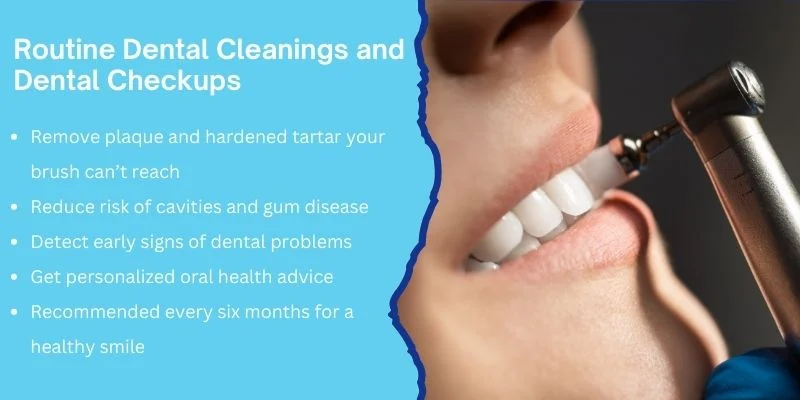
Seeing your dentist regularly helps keep plaque from causing serious problems. During your dental cleanings, professionals remove hardened tartar that brushing and flossing can’t reach.
This reduces your risk of cavities and gum disease. Your checkups are a chance for your dentist to spot early signs of damage or disease before they get worse.
They can give you personalized advice based on your oral health. Make sure to schedule cleanings every six months or as your dentist recommends.
This simple habit helps you maintain a bright, healthy smile and prevents plaque buildup from turning into bigger issues.
Protecting Tooth Enamel
Enamel is the hard, protective layer covering your teeth. It can weaken if plaque bacteria produce acids from sugary foods or if you grind your teeth.
Once enamel wears down, your teeth can become sensitive and more prone to decay. You can protect enamel by brushing twice daily with fluoride toothpaste, which strengthens teeth.
Avoid eating or drinking too many sugary or acidic foods and drinks. Drinking plenty of water helps rinse away acids and food particles that feed plaque bacteria.
Using a soft-bristled toothbrush prevents enamel damage compared to harder brushes. Also, avoid brushing immediately after acids, waiting about 30 minutes gives enamel time to recover.
Solutions for Tooth Grinding and Use of Mouthguards
If you grind your teeth at night, it can wear down your enamel and cause pain. A custom mouthguard from your dentist fits your mouth perfectly and acts as a shield between your upper and lower teeth.
Mouthguards reduce damage caused by grinding and clenching. They also help protect your jaw muscles and reduce headaches linked to grinding.
Wearing a mouthguard regularly can save your teeth from long-term damage. Talk to your dentist about getting a mouthguard if you notice worn teeth, jaw pain, or frequent headaches.
Addressing Additional Risk Factors and Specialized Care
Taking care of your teeth means more than just brushing and flossing. Some issues need extra attention because they affect your daily comfort or require special treatment.
Knowing how to manage these challenges helps keep your smile healthy and comfortable.
Managing Dry Mouth and Bad Breath
Dry mouth happens when your mouth doesn’t make enough saliva. Saliva protects your teeth by washing away food and germs.
Without enough saliva, you might notice more cavities or gum problems. You may also experience bad breath, called halitosis, because bacteria build up without enough moisture.
To manage dry mouth, try sipping water often and chewing sugar-free gum to boost saliva. Avoid tobacco, alcohol, and caffeine, they can make dryness worse.
Using special mouth rinses made for dry mouth can also help. If dry mouth is caused by medicines or health conditions, talk to your dentist for advice on balancing care.
Supporting Dental Health with Braces or Orthodontics
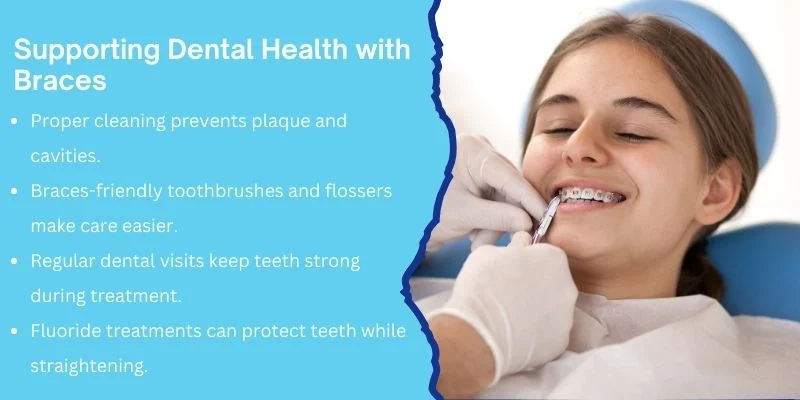
If you wear braces or orthodontic devices, your dental care routine changes. Braces trap food and make cleaning harder, which can lead to plaque build-up and cavities if not carefully managed.
You’ll need toothbrushes designed for braces or a water flosser. Pay special attention to cleaning around brackets and wires every day.
Visiting your dentist regularly while in orthodontic treatment is important to catch dental issues early. Sometimes, you might need extra fluoride treatments to protect your teeth from decay during this time.
Dental Care for Adults with Medical Conditions
Certain health problems can affect your mouth or the way you care for your teeth. Conditions like diabetes, heart disease, or immune disorders might increase your risk for gum disease.
Some medications can cause dry mouth or other dental side effects. If you have a medical condition, let your dentist know.
We proudly provide comprehensive care from our modern dental office in Champaign, designed for comfort and convenience.
They can customize your dental care plan, watch for specific issues, and coordinate with your doctor. Regular checkups and cleanings are especially important if your health puts you at risk for oral problems.
Frequently Asked Questions
Taking care of your teeth means watching out for problems like cavities and gum disease. You can prevent these issues with good habits and notice early signs that your mouth needs extra care.
Your oral health also affects other parts of your body.
What are the most common oral health problems in adults?
Adults often face cavities, gum disease, tooth loss, and bad breath. Some may also have dry mouth or sensitive teeth.
These problems can get worse with age or if you have other health conditions like diabetes.
How can adults prevent dental diseases related to poor hygiene?
You should brush your teeth twice a day with fluoride toothpaste and floss daily. Avoid sugary foods and drinks because they increase the risk of cavities.
Regular dental visits for cleanings and checkups help catch issues early.
What are the signs that indicate a decline in oral hygiene?
Look out for bleeding or swollen gums, persistent bad breath, tooth pain, or sensitivity. If your gums are pulling away from your teeth or if you notice loose teeth, see your dentist quickly.
Changes in taste or dry mouth can also be warning signs.
Why is maintaining good oral hygiene essential for overall health?
Poor oral health can increase your risk of heart disease, diabetes complications, and infections. Keeping your mouth healthy helps your immune system and reduces inflammation throughout your body.
Healthy teeth also make it easier to eat nutritious foods.
What can be the potential consequences of neglecting oral hygiene?
Neglect can lead to cavities, gum disease, tooth loss, and infections that may spread. Over time, severe gum disease can destroy bone supporting your teeth.
Ignoring oral health problems may also increase your risk of oral cancer.
How does oral health impact general well-being in adults?
Good oral health boosts your confidence and comfort while eating and speaking.
Pain or infections in your mouth can affect your sleep and mood.