



When you face a dental emergency, pain and anxiety can make the experience much harder. Sedation dentistry can help by calming your nerves and managing pain so you feel more comfortable during urgent dental procedures.
This approach uses different sedation methods to keep you relaxed and pain-free, making emergency treatments easier to get through.
Sedation options range from mild nitrous oxide to deeper intravenous sedation, depending on what you need and your anxiety level. Knowing what to expect before, during, and after sedation can help you feel more prepared for your emergency dental visit.
Understanding how sedation dentistry works and its benefits can reduce your fear and help you make informed choices in stressful times. Learning about safety measures and what happens during the procedure can give you peace of mind when urgent dental care is needed.
Key Takeaways
- Sedation dentistry helps control pain and anxiety during emergency dental care.
- Different types of sedation are used based on your comfort and treatment needs.
- Knowing what to expect improves your experience and helps keep you safe.
Need Sedation Dentistry for Emergency Care in Champaign? Contact Us Now!
What Is Sedation Dentistry in Dental Emergencies?
When you face a dental emergency, pain and anxiety can make treatment feel overwhelming. Sedation dentistry helps you stay calm and comfortable while your dentist works to relieve your problem quickly and safely.
How Sedation Dentistry Eases Emergency Procedures
Approximately 15%–20% of Americans experience significant dental anxiety that can prevent them from seeking necessary dental care.
Sedation dentistry uses medicines to reduce pain and anxiety during urgent dental care. Depending on your needs, you might receive mild sedation with nitrous oxide (laughing gas), oral sedation in pill form, or deeper levels like intravenous (IV) sedation.
These options help you relax and stay still, which is important when your dentist needs to work quickly and precisely. You stay awake but feel calm and less aware of the procedure.
This can also lower your stress and pain levels, making emergency treatments like extractions or root canals easier to tolerate. With sedation, you might need someone to drive you home after your appointment, especially if stronger sedatives are used.
Common Emergency Situations Suitable for Sedation
Sedation is often used in several urgent dental cases that cause pain and fear. For example, if you have a severe toothache caused by infection or need an emergency tooth extraction, sedation can help control your anxiety and discomfort.
It’s also helpful during root canals, deep cleanings, or when multiple procedures are done in one visit. If you find it hard to stay still or get very anxious about dental work, sedation makes treatment more manageable.
Get Fast Relief with Sedation Dentistry in Rantoul. Call for an Appointment!
Types of Sedation Used for Emergency Dental Procedures
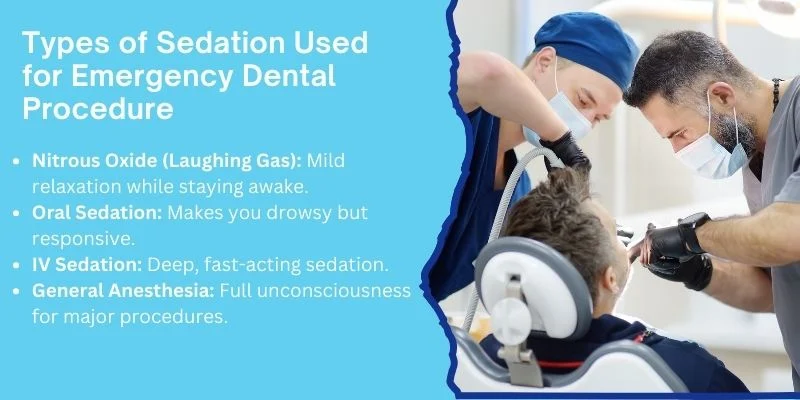
You have several sedation options that can help make emergency dental treatments easier and less stressful. These range from mild methods that let you stay awake and calm, to deeper sedation that may make you sleep through the procedure.
Each type works differently and suits different needs, depending on how complex the dental issue is and your level of anxiety.
Nitrous Oxide and Laughing Gas
Nitrous oxide, often called laughing gas, is a gentle sedation option. You breathe it in through a mask placed over your nose.
It helps you feel relaxed and calm quickly, often within minutes. It’s safe for both children and adults and wears off fast after the treatment, letting you go home on your own.
Sometimes, nitrous oxide can cause dizziness or nausea, so you may be asked not to eat or drink a couple of hours before your visit. This sedation doesn’t put you to sleep but lowers your anxiety, making it easier to sit still for the procedure.
Oral Sedation for Urgent Treatments
Oral sedation means taking a pill or liquid before your dental treatment. It helps you feel drowsy and relaxed but keeps you awake enough to respond to the dentist.
This method is used for procedures like fillings or extractions that might cause you stress or discomfort. It takes longer for oral sedatives to wear off, so you’ll need someone to drive you home.
The effects also vary depending on the dose, which your dentist will choose based on your needs and the emergency’s severity.
IV Sedation for Critical Cases
Intravenous (IV) sedation involves injecting medicine directly into your bloodstream. It works faster and deeper than oral sedation.
You may feel very sleepy or drift in and out of consciousness during complex procedures like root canals or wisdom tooth removals. With IV sedation, you might not remember much of the treatment afterward.
Because the effects last longer, you will need someone to take you home safely. This method helps reduce pain and anxiety sharply while allowing the dentist to work quickly and effectively.
General Anesthesia in Dental Crises
General anesthesia is the strongest type of sedation, putting you into a deep sleep during intense dental surgeries or emergencies. You won’t feel or remember anything while the dentist works on procedures such as oral surgery, implants, or severe trauma care.
Since you are completely unconscious, a trained anesthesiologist typically monitors you closely throughout the treatment. Afterward, you’ll need full care and someone to bring you home because it takes time to recover from the effects.
Manage Your Emergency Dental Care with Sedation, Call Now!
Benefits of Sedation Dentistry in Urgent Care
When facing a dental emergency, managing pain and anxiety quickly helps you stay calm and comfortable. Sedation dentistry can help reduce anxiety in patients by up to 90%, making it an effective tool in emergency dental care.
Sedation dentistry can make urgent dental procedures easier on you by reducing stress, helping dentists work more efficiently, and making care less scary for kids and vulnerable patients.
Pain and Anxiety Management
Dental emergencies often bring sharp pain and strong anxiety. Emergency sedation dentistry works by calming your nerves and lowering your pain sensitivity.
This means you won’t have to tense up or fear the procedure while your dentist treats the problem. Common sedation options include nitrous oxide (laughing gas) and oral sedation.
These help you feel relaxed but awake, so you can respond if needed. For more serious cases, IV sedation can give you a deeper calm, and sometimes general anesthesia is used to keep you fully unconscious.
By managing both pain and anxiety, sedation helps you get the treatment done smoothly, even if you usually have strong dental anxiety or a low pain threshold. This relief can prevent you from delaying urgent dental care and risking worse problems.
Efficient and Comfortable Treatment
Sedation dentistry isn’t just about feeling better; it can also speed up your treatment. When you’re relaxed and still, your sedation dentist can work more quickly and accurately.
This efficiency can shorten your appointment time, which is great when you need urgent care. Sedation also reduces the need for multiple visits.
In many cases, dentists can complete several treatments in one session because you’re calm and cooperative the whole time. Because sedation lowers discomfort, it makes dental procedures more comfortable.
That means less fidgeting or distress that could slow down your treatment. This is particularly helpful during complex emergency procedures like extractions or root canals.
Reducing Fear for Children and Vulnerable Patients
Kids and vulnerable patients often feel scared or anxious about dental emergencies. Sedation dentistry offers a safe way to ease their fears and make urgent treatments more manageable.
For children, mild sedation options like nitrous oxide help reduce panic without putting them fully to sleep. Sedation allows your child to stay calm so the dentist can work effectively without causing trauma.
Adults with special needs or extreme dental anxiety can also benefit. Sedation helps these patients stay relaxed, reducing the risk of sudden movements or emotional distress.
This makes urgent dental care safer and more comfortable for everyone involved.
If you’re unsure which method is best, compare IV vs oral sedation dentistry before your procedure.
Safety and Considerations for Emergency Sedation
When you need emergency dental care with sedation, your safety is the top priority. The process involves carefully choosing the right sedation method, closely watching your vital signs, and understanding the possible risks or side effects.
Pre-Screening and Eligibility
Before sedation, you’ll go through a detailed pre-screening to make sure it’s safe for you. This includes reviewing your medical history, current medications, allergies, and any past experience with sedation.
You’ll also be asked about your anxiety levels and overall health. Your sedation dentist will decide what type of sedation fits your needs.
Options include conscious sedation like oral sedation (pills you take) or nitrous oxide (laughing gas), and more controlled methods like IV sedation or general anesthesia. The choice depends on your health, the urgency, and the complexity of the dental work.
If you have certain medical conditions, very young children, or are pregnant, some types of sedation might be avoided or adjusted. You may also get fasting instructions to reduce risks during sedation.
Monitoring and Safety Protocols
Once sedation starts, you’ll be carefully monitored throughout the procedure. Dentists use special equipment to track your heart rate, oxygen levels, blood pressure, and breathing.
This helps catch any issues early. The sedation team is trained in emergency response, with clear roles assigned to handle any problems quickly.
They keep reversal drugs on hand to counteract sedation if needed and have lifesaving tools like defibrillators ready. Your comfort is balanced with safety by controlling the sedation level.
For example, conscious sedation lets you stay awake but relaxed, while IV sedation may make you less aware but still responsive. This careful attention minimizes risks during your treatment.
Possible Risks and Side Effects
Sedation is generally safe, but like any medical procedure, there are some risks and side effects you should know about. Common side effects include dry mouth, nausea, dizziness, or temporary memory loss after sedation.
Rare risks can include allergic reactions, breathing problems, or low blood pressure. That’s why the pre-screening and continuous monitoring are so important, they help prevent serious problems.
After the procedure, you may feel tired or groggy for several hours. It’s important to have someone else drive you home and avoid making important decisions until the sedation wears off.
Your dentist will give you clear aftercare instructions to keep you safe during recovery from sedation.
The Patient Experience: What to Expect Before, During, and After
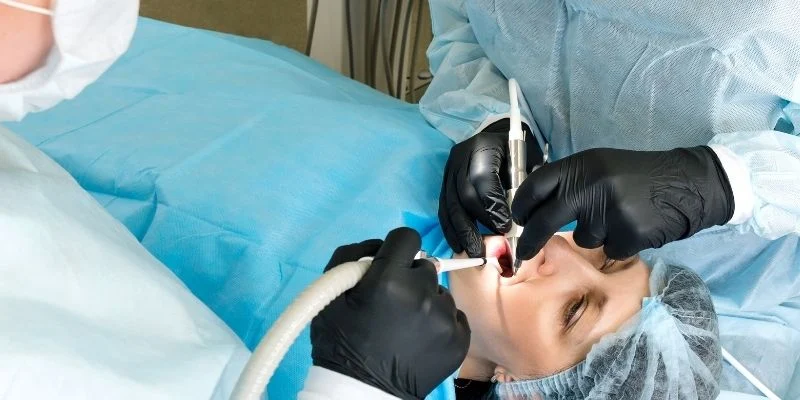
You will go through clear steps to make sure your emergency dental sedation is safe and comfortable. From getting ready to how you recover, knowing what will happen helps you feel more in control and less stressed.
Preparing for Emergency Dental Sedation
Before your sedation, your dentist will ask about your medical history and any medicines you take. This helps them choose the safest sedation option for you, like oral pills, nitrous oxide, or IV sedation.
You will need to fast for about 6 to 8 hours before the procedure, meaning no food or drinks except a small sip of water if you need to take medicine. Wear loose, comfortable clothes that help you relax during your appointment.
Make sure you arrange for someone to drive you home after the procedure. Sedation affects your coordination and judgment, so you won’t be able to drive or take care of yourself right away.
Following these steps helps reduce risks and makes your emergency visit smoother and less stressful.
The Recovery Process and Aftercare
Right after your dental sedation, you may feel groggy or tired. Plan to rest for the rest of the day and avoid any heavy activities.
Drink plenty of water, but wait until you feel fully awake before eating solid food. If your dentist gave you any medication, like painkillers or antibiotics, be sure to take them exactly as instructed.
Watch for symptoms like dizziness or nausea, and call your dentist if anything worries you. Having someone stay with you for a few hours after the appointment is helpful.
Recovery time varies, but most people feel more normal within hours. Follow your dentist’s care instructions closely to avoid complications.
Tips for Reducing Anxiety About Sedation
If you feel nervous about sedation or the emergency procedure, tell your dentist how you feel. Knowing your options, like mild or deep sedation, can make you feel safer.
Try deep breathing or listen to calming music before your appointment. Sedation dentistry is designed to keep you relaxed and pain-free.
Ask questions about the procedure and what you will feel. Being informed helps reduce dental anxiety and builds confidence in your care.
Bringing a friend or family member for support can also help ease your nerves before and after sedation.
Frequently Asked Questions
You’ll want to know what happens during sedation, how to pick a good provider, and what types of pain or side effects you might feel. Safety is important, as is preparing properly before your appointment.
Patient experiences with specific medications like Halcion can also help guide your choice.
What can a patient expect during IV sedation for dental procedures?
With IV sedation, you’ll get medicine through a vein that helps you feel relaxed and sleepy. You may be semi-conscious but won’t feel pain or remember much after the procedure.
Your vital signs will be closely watched to keep you safe. Recovery time varies, so plan to have someone drive you home and stay with you for a while after.
How can I find a reputable sedation dentistry provider near me?
Look for dentists who specialize in sedation and have proper training and certifications. Reading patient reviews and asking friends or family for recommendations can help.
Make sure the clinic has the right equipment to monitor patients during sedation. It’s okay to call ahead and ask about their sedation process and safety measures.
Are there any types of pain associated with oral sedation?
Oral sedation helps reduce your awareness of pain but doesn’t always take it away completely. You might still feel some pressure or mild discomfort during the procedure.
If you do experience pain, tell your dentist right away so they can manage it with additional anesthesia or medication.
Is sedation dentistry a safe choice for everyone?
Sedation is generally safe for most people but might not be recommended if you have certain health issues or take specific medications. Be honest about your medical history with your dentist.
Your provider will decide the best sedation level for you and discuss any risks or side effects beforehand.
What should a patient avoid doing before undergoing dental sedation?
Before sedation, avoid eating or drinking for several hours as directed by your dentist. This helps prevent nausea or complications during the procedure.
Do not drive, operate machinery, or make important decisions for the rest of the day after sedation.
What are patient reviews saying about the use of Halcion for dental work?
Patients often report feeling calm and less anxious with Halcion, a common oral sedative. Many say it helps them get through dental procedures with less stress.
Some mention mild side effects like drowsiness or dizziness. Most feel it is effective and helpful for controlling dental anxiety.