




Getting dental implants changes more than just your mouth. The process affects how you feel about yourself, your confidence, and how you interact with others every day.
Dental implants can trigger a mix of emotions from excitement about your new smile to anxiety about the changes, but understanding these feelings helps you navigate the journey more successfully.
Many people don’t realize that tooth loss and dental restoration involve real grief and adjustment periods. You might feel nervous about how you’ll look or whether the implants will feel natural.
Your emotional response to dental implants is completely normal and manageable. Learning how implants compare to other options, what to expect during your adjustment period, and how to maintain both your oral health and emotional well-being will help you embrace your transformation with confidence.
Coping with Emotional Changes Following Tooth Loss
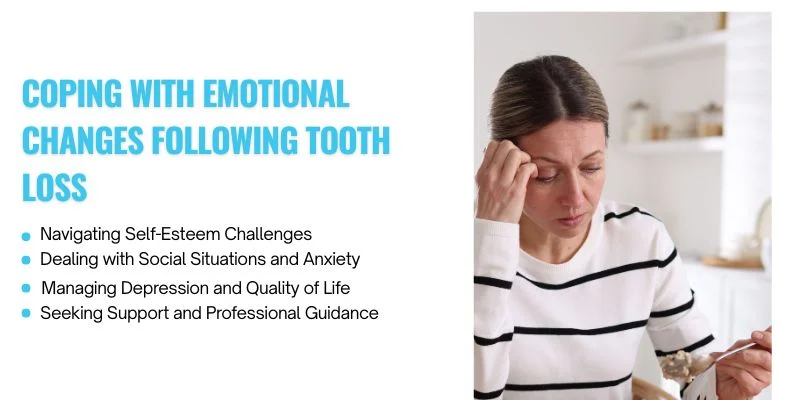
Missing teeth can trigger strong emotions that affect your daily life and relationships. These feelings are normal, but learning healthy ways to manage them helps you move forward with confidence.
Navigating Self-Esteem Challenges
Your self-esteem often takes a hit when you lose teeth. You might feel less attractive or worry about how others see you.
Common self-esteem impacts include:
- Avoiding mirrors or photos
- Feeling embarrassed about your appearance
- Comparing yourself to others with complete smiles
- Losing confidence in work or social settings
Start by recognizing these feelings are temporary. Your worth as a person doesn’t depend on having perfect teeth. Many successful people have dealt with tooth loss.
Practice positive self-talk. Replace thoughts like “I look terrible” with “I’m taking steps to improve my smile.” Focus on your other good qualities like your sense of humor or kindness.
Set small daily goals that make you feel accomplished. This could be exercising, learning something new, or helping a friend. Building confidence in other areas helps balance concerns about your appearance.
Dealing with Social Situations and Anxiety
Social situations can feel scary when you’re missing teeth. You might worry about speaking clearly or smiling naturally.
Many people avoid parties, dates, or work events because of dental anxiety. This isolation often makes emotional problems worse.
Try these strategies for social interactions:
- Practice speaking in front of a mirror
- Choose softer foods when eating with others
- Sit where lighting is dimmer if you feel self-conscious
- Focus on listening to others instead of worrying about your appearance
Tell close friends about your concerns. Most people are understanding and supportive. They probably notice your missing teeth much less than you think they do.
Start with smaller social groups before attending bigger events. This helps you build confidence gradually.
Managing Depression and Quality of Life
Missing teeth can lead to depression and lower quality of life. You might feel sad, hopeless, or lose interest in activities you used to enjoy.
Depression from tooth loss is real and affects many people. Your mental health deserves the same attention as your physical health.
Signs that depression might be affecting you:
- Sleeping too much or too little
- Loss of appetite
- Feeling tired all the time
- Trouble concentrating at work
- Withdrawing from family and friends
Stay active even when you don’t feel like it. Exercise releases chemicals in your brain that improve mood. Even a short walk can help.
Keep a regular sleep schedule and eat nutritious foods. Your body and mind need proper fuel to heal and stay strong.
Continue doing hobbies and activities that bring you joy. Don’t let missing teeth stop you from living your life.
Seeking Support and Professional Guidance
You don’t have to handle these emotional changes alone. Getting help is a sign of strength, not weakness.
A dental professional can explain your treatment options and timeline. Understanding your path forward often reduces anxiety about the future.
Consider talking to a counselor or therapist who understands medical challenges. They can teach you coping skills specific to dealing with appearance changes.
Support options to consider:
- Individual therapy or counseling
- Support groups for people with dental issues
- Online forums and communities
- Family and friends who care about you
Ask your dentist about connecting with other patients who’ve had similar experiences. Hearing success stories from real people can give you hope.
Some people benefit from short-term medication to help with depression or anxiety. Talk to your doctor if you think this might help you.
Remember that seeking professional guidance shows you’re taking control of your situation. This active approach often leads to better outcomes and faster emotional healing.
How Dental Implants Restore Confidence and Well-Being
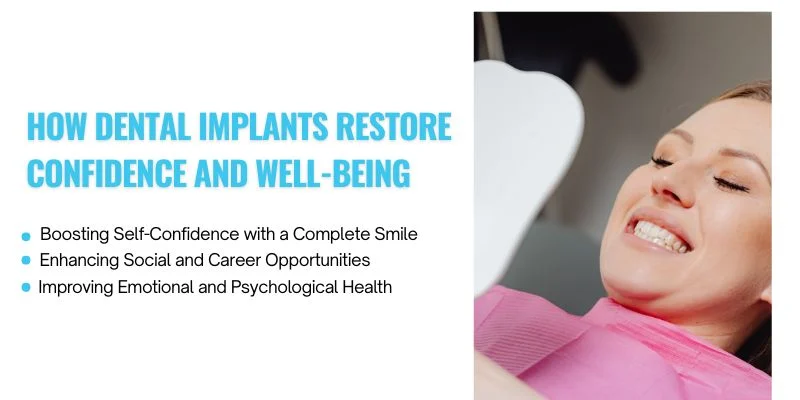
Dental implants can change how you feel about yourself and improve many parts of your life. They help boost your self-image, create new opportunities, and make you feel happier overall.
Boosting Self-Confidence with a Complete Smile
Your smile plays a big role in how confident you feel. When you have missing teeth, you might cover your mouth when you laugh or avoid smiling in photos.
Dental implants give you a complete smile again. You can speak clearly without worrying about gaps or loose dentures. This makes everyday conversations feel more natural.
Key confidence benefits include:
- Speaking without mumbling or slurring
- Eating your favorite foods without pain
- Smiling freely in photos and social settings
- Feeling comfortable during close conversations
Many people notice they stand taller and make more eye contact after getting implants. Your self-confidence grows when you stop worrying about how your teeth look or feel.
Enhancing Social and Career Opportunities
A healthy smile affects how others see you at work and in social settings. Missing teeth can make job interviews or important meetings feel stressful.
Dental implants help you present yourself better in professional situations. You can speak clearly during presentations and smile confidently when meeting new clients or coworkers.
Your social life often improves too. You might feel more comfortable going to restaurants, parties, or dating. Friends and family notice when you seem happier and more outgoing.
Professional advantages:
- Better first impressions during interviews
- Clear speech for presentations and meetings
- Increased willingness to network and socialize
Improving Emotional and Psychological Health
Missing teeth can lead to feelings of sadness, worry, or embarrassment. These emotions affect your overall happiness and psychological well-being.
Dental implants help reduce these negative feelings. You worry less about your appearance and feel more like yourself again. This emotional relief often happens quickly after getting your new teeth.
Your mental health benefits when you stop avoiding social situations. You might notice less anxiety about eating out or meeting new people. Many patients report feeling younger and more energetic after their implant treatment.
The psychological impact goes beyond just looks. You regain control over your oral health and feel proud of taking care of yourself.
Ready to boost your confidence with a complete smile? Book your dental implant consultation at CU Dentists in Champaign and start embracing new opportunities with a renewed smile.
Adjusting to Your New Smile: Emotional and Practical Considerations
Getting used to dental implants involves both physical adjustments and emotional changes as you rediscover confidence in your smile. The process includes adapting to how implants feel, rebuilding social connections, and embracing your improved oral health.
Adapting to the Look and Feel of Dental Implants
Your mouth will need time to adjust to dental implants. They feel different from natural teeth at first. Most people notice the change for a few weeks.
Physical adjustments include:
- Speaking patterns may change slightly
- Chewing feels different initially
- Your tongue explores the new surfaces
- Comfort improves gradually over time
The implants will eventually feel natural. Your brain adapts to the new sensations in your mouth. This usually takes 2-4 weeks for most people.
Some patients worry their smile looks fake. Modern implants match your natural teeth very closely. They fill gaps seamlessly and restore your facial structure.
Emotional responses are normal:
- Excitement about your improved appearance
- Anxiety about the change
- Relief that gaps are gone
- Pride in taking care of your oral health
Reconnecting in Social and Family Settings
Your confidence in social interactions will likely grow with your new smile. Many people feel hesitant at first. This is completely normal.
Start with close family and friends. They offer support during your adjustment period. Practice smiling and talking with people you trust most.
Social situations become easier when you:
- Smile more freely without covering your mouth
- Speak clearly without worrying about gaps
- Eat confidently in restaurants
- Laugh without feeling self-conscious
Some people notice friends and family commenting positively on their appearance. Your improved oral health often makes you look younger and more vibrant.
Professional settings may feel different too. You might feel more confident during meetings or presentations. Your clear speech and bright smile can boost your professional image.
Celebrating Personal Transformation
Your dental implants represent more than just replacing teeth. They show your commitment to your health and well-being. This achievement deserves recognition.
Ways to celebrate your transformation:
- Take new photosto capture your smile
- Try foods you avoided with missing teeth
- Schedule social activities you postponed
- Share your positive experience with others considering implants
Your improved oral health affects your whole body. Better nutrition becomes possible when you can chew properly. Your jaw alignment improves, reducing strain.
Many patients report feeling years younger after getting implants. The psychological boost from a complete smile impacts how you see yourself. This confidence often extends to other areas of your life.
Remember that adjusting takes time. Be patient with yourself as you adapt to your new smile and improved comfort.
Maintaining Emotional and Oral Health After Dental Implants
Taking care of your new dental implants goes beyond just brushing and flossing. You need to focus on both your emotional well-being and daily habits that keep your implants healthy for years to come.
Building Lasting Happiness and Well-Being
Your new smile can boost your confidence and quality of life in many ways. You might feel more comfortable talking to others or smiling in photos.
It’s normal to have mixed feelings during your recovery. Some people feel excited about their new teeth while also feeling nervous about changes.
Ways to support your emotional well-being:
- Give yourself time to adjust to how your mouth feels
- Practice smiling in the mirror to get comfortable
- Talk to friends or family about your experience
- Focus on the positive changes you notice
Remember that feeling different is normal at first. Your mouth needs time to heal and adapt.
If you feel worried or sad for more than a few weeks, these feelings might need attention. Don’t ignore emotional concerns that don’t go away on their own.
Establishing Healthy Habits for Longevity
Good daily care keeps your implants working well and prevents dental issues. Your routine should include specific steps that protect your investment.
Daily care checklist:
- Brush twice daily with a soft-bristled toothbrush
- Use fluoride toothpaste
- Floss around each implant carefully
- Rinse with antibacterial mouthwash
Avoid hard foods that could damage your implants. Don’t chew ice, hard candy, or use your teeth as tools.
Stop smoking if you haven’t already. Smoking slows healing and increases your risk of implant problems.
Watch for warning signs like swelling, pain, or bleeding around your implants. These symptoms could mean you have an infection that needs treatment.
Staying Connected with Your Dental Professional
Regular checkups help catch problems early and keep your oral health on track. Your dentist can spot issues you might miss at home.
Schedule cleanings every six months or as your dentist recommends. Professional cleaning removes buildup you can’t reach with home care.
Ask questions during your visits. Your dental team wants to help you succeed with your implants.
Contact your dentist right away if you notice:
- Loose implants
- Persistent pain
- Swelling that doesn’t go down
- Bad taste in your mouth
Your dentist can adjust your care plan as needed. They might recommend special tools or techniques based on how your implants are doing.
Ensure your implants stay healthy and your confidence grows. Book a follow-up consultation with CU Dentists in Champaign to maintain both your smile and emotional well-being.
Frequently Asked Questions
How can I emotionally prepare for a new smile after dental implants?
Start by setting realistic expectations about the process. Your new smile will look different from your natural teeth, and that’s perfectly normal.
Talk to your dentist about what your final results will look like. Ask to see before and after photos of similar cases. This helps you visualize your future smile.
Consider speaking with a counselor if you feel anxious about the changes. Many people find it helpful to process their feelings with someone who understands dental anxiety.
Practice positive self-talk before your procedure. Remind yourself that you’re making a healthy choice for your oral health and confidence.
What should I expect in terms of a smile appearance after getting dental implants?
Your dental implants will replace both the root and crown of your tooth, giving you a complete tooth replacement. The final result looks very natural and functions like real teeth.
During the healing phase, you might have temporary teeth or gaps in your smile. This is normal and temporary while your jawbone heals around the implant.
The color and shape of your implant crowns will match your existing teeth. Your dentist will work with you to create a natural-looking smile that fits your face.
Your new teeth might look slightly different from your original teeth. This is usually an improvement, as damaged or missing teeth are replaced with healthy-looking ones.
Are there any emotional benefits to getting dental implants for my smile?
Yes, dental implants can significantly improve your emotional well-being. Missing teeth can impact your mental and emotional health, affecting how you feel in social situations.
Many people stop covering their mouths when they laugh or smile after getting implants. You’ll likely feel more comfortable in photos and social gatherings.
Eating becomes easier and more enjoyable with stable teeth. This can improve your relationship with food and social dining experiences.
You may notice increased confidence when speaking or presenting at work. Clear speech without worrying about loose teeth makes communication easier.
What strategies can help cope with the transition to a smile with dental implants?
Give yourself time to adjust to the new feeling in your mouth. It takes a few weeks to get used to how your implants feel when you talk and eat.
Practice smiling in the mirror to get comfortable with your new appearance. This helps build confidence before social interactions.
Start with small social gatherings before attending large events. This lets you gain confidence gradually with people you trust.
Keep a journal of positive changes you notice. Write down compliments you receive or improvements in how you feel about your smile.
How do dental implants impact self-esteem and confidence levels?
Most people experience a significant boost in self-esteem after their implants heal completely. You’ll likely feel more confident showing your teeth when you smile.
Your professional life may improve as you feel more comfortable speaking and presenting. Many people report feeling more confident in job interviews and meetings.
Social anxiety often decreases when you’re no longer worried about gaps in your smile. You can focus on conversations instead of hiding your teeth.
The knowledge that your teeth are secure and won’t move gives you peace of mind. This stability helps you feel more confident throughout your day.
Can you share tips on adjusting to the feel and look of dental implants in my smile?
Be patient with the adjustment period. Your mouth needs time to get used to the new teeth, just like breaking in new shoes.
Practice eating soft foods first, then gradually add harder foods. This helps you learn how your implants feel when chewing.
Use a hand mirror to watch yourself speak and smile. This helps you get comfortable with how your mouth moves with the implants.
Focus on proper oral hygiene to keep your implants healthy. Taking good care of them helps you feel proud of your investment in your smile.