


You want a dental implant, but your dentist says you may need a bone graft. That can feel like an extra step you did not expect. You may even wonder if it is really necessary.
So, when is bone grafting needed for dental implants? You need a bone graft before implants when your jawbone lacks enough height, width, or density to hold the implant securely for the long term.
Bone loss often happens after tooth loss, gum disease, injury, or years of denture use. Without strong bone, the implant can loosen or fail under daily chewing pressure.
Not everyone needs this procedure. Many people have enough healthy bone for implant placement without added treatment. Understanding when grafting is essential helps you make a clear and confident choice about your care.
Key Takeaways
- You need bone grafting when your jawbone cannot securely support an implant.
- Bone loss often follows tooth loss, gum disease, trauma, or long-term denture use.
- Proper planning and healing time improve implant stability and long-term results.
Table of Content
- Why Bone Grafting May Be Needed for Dental Implants
- Types of Bone Grafts and Surgical Approaches
- Preparing for Bone Grafting and Implant Placement
- The Healing Timeline and Outcomes You Can Expect
- Alternatives and Advanced Options for Challenging Cases
- Frequently Asked Questions
Why Bone Grafting May Be Needed for Dental Implants
Your jawbone must hold a dental implant in place for many years. If the bone lacks strength or volume, the implant cannot stay stable. Bone grafting rebuilds weak areas so your dental implant procedure has a solid base.
Bone Density and Jaw Structure as Key Factors
Dental implants act like artificial tooth roots. They fuse with your jawbone, but this only works when you have enough bone density and proper jawbone structure.
If your bone is too thin or too soft, it cannot grip the implant. Your dentist checks this with X-rays or 3D scans before planning treatment.
When the bone lacks height or width, bone grafting adds volume so the implant can anchor safely.
You do not always need a graft. Many patients have strong bone and can move forward without extra steps. But when your jaw cannot support pressure from chewing, bone grafting before dental implant placement becomes necessary.
In cases of advanced bone loss, grafting creates the support needed for long-term success.
Impact of Tooth Loss and Bone Resorption
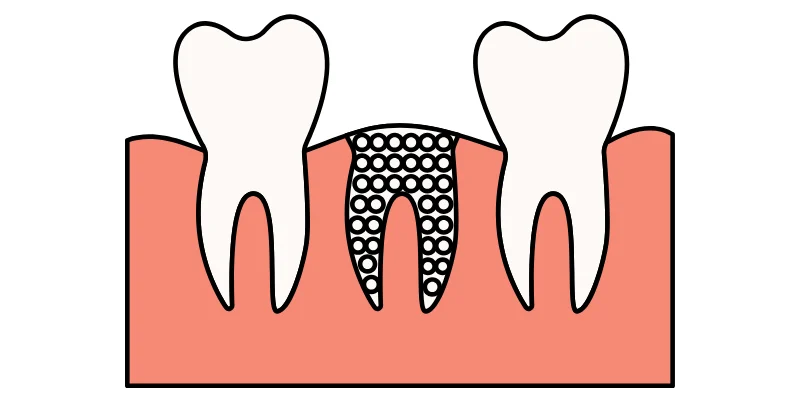
When you lose a tooth, your body begins a process called bone resorption. This means the jawbone in that area starts to shrink.
Your tooth roots once stimulated the bone when you chewed. After a tooth extraction, that stimulation stops. The bone slowly loses height and width.
This process, often called socket preservation, helps maintain bone shape for a future implant. About half of implant patients need grafting at some point.
Your dentist decides based on the size of the socket and your long-term plan. If you already know you want an implant, review the timeline from tooth extraction to implant placement so you do not miss the ideal grafting window.
Role of Periodontal Disease and Gum Issues
Periodontal disease damages both your gums and the bone that supports your teeth. As infection spreads, it destroys the jawbone around the roots.
You may not notice this damage right away. Gum disease often progresses slowly, but it can lead to major bone loss over time.
If you lost teeth due to gum disease, your jawbone may already be weak. In this case, bone grafting often becomes part of your treatment plan before placing dental implants.
Your dentist must first control the infection. After your gums become healthy, bone grafting rebuilds areas damaged by disease. This step gives your implant a stable base and lowers the risk of future problems.
Consequences of Skipping Recommended Grafting
You might feel tempted to skip bone grafting to save time or money. But placing an implant in weak bone increases your risk of failure.
Without enough support, the implant may not fuse properly with your jaw. It can loosen, shift, or fail to heal.
Bone grafting creates the foundation that implants need. If your dentist recommends it, they have identified a problem with your bone density or structure.
Trying to move forward without fixing that issue can lead to more surgery later. Addressing bone loss early improves stability and helps protect your long-term investment in dental implants.
Types of Bone Grafts and Surgical Approaches
Your dentist chooses a bone graft based on how much bone you have lost, where the implant will sit, and your health history. The material and the surgical method both affect healing time and implant stability.
Autograft, Allograft, Xenograft, and Alloplast Options
You have four main bone graft material options for bone grafting for dental implants. Each one works in a slightly different way.
- Autograft: Your dentist takes bone from your own body, often the chin or jaw. This option contains living cells and growth factors. It can heal well, but it requires a second surgical site.
- Allograft: This bone comes from a screened human donor. It avoids a second surgery and is widely used in dental bone graft procedures.
- Xenograft: This material usually comes from bovine bone. It acts as a scaffold and slowly integrates with your natural bone.
- Alloplast: This is a synthetic graft made from biocompatible materials. It avoids donor tissue and supports new bone growth.
Your dentist selects the option that balances healing time, cost, and long-term implant support.
Socket Preservation and Ridge Augmentation
When you lose a tooth, your jawbone starts to shrink within months. You can limit that loss with socket preservation.
In this grafting technique, your dentist places bone graft material into the empty tooth socket right after extraction. This step helps maintain the height and width of the bone. It often reduces the need for larger grafts later.
If bone loss has already occurred, you may need ridge augmentation. This procedure rebuilds the jaw ridge so it can hold an implant securely. Your dentist may use particles, blocks, or a membrane to guide new bone growth.
Sinus Lift and Complex Grafting Solutions
If you need implants in your upper back jaw, your dentist must check the maxillary sinus. After tooth loss, the sinus can expand and leave too little bone for an implant.
A sinus lift adds bone below the sinus membrane to increase vertical height. Your surgeon gently lifts the membrane and places a bone graft underneath. Healing can take several months before implant placement.
For severe defects, your dentist may combine sinus lift surgery with ridge augmentation or use block grafts. These complex grafting techniques aim to create enough dense, stable bone to anchor your implant safely.
Preparing for Bone Grafting and Implant Placement
You need clear imaging, the right specialist, and a solid timeline before you move forward. Careful planning lowers risk and helps your implant stay stable for years.
Diagnostic Imaging and Bone Assessment
Your dentist starts with detailed scans, not guesswork. 3D imaging, such as cone beam CT, shows the height, width, and density of your jawbone.
These images reveal bone loss from missing teeth, gum disease, or injury. They also show the location of nerves and sinuses. This step protects you from nerve damage and sinus problems during implant placement.
If your jaw lacks enough thickness or density, your provider may recommend a graft.
Your provider will review:
- Bone volume (height and width)
- Bone density
- Signs of infection or inflammation
- Space between nearby teeth
These findings guide the type and size of bone graft surgery you may need.
Working With Oral Surgeons and Specialists
You may work with more than one provider. An implant dentist often plans the final tooth, while an oral surgeon or periodontist handles complex grafting.
Specialists in oral and maxillofacial surgery manage advanced cases. This includes large bone defects, sinus lifts, or grafts after trauma.
A bone graft rebuilds the jaw so it can hold an implant securely. The graft may use your own bone, donor bone, or a synthetic material, depending on your case.
Recovery depends on the graft size. Initial healing takes about a week, but the bone usually needs at least three months to heal fully. Clear communication between your providers helps time the graft and implant correctly.
Immediate vs. Delayed Implant Placement
In some cases, your dentist can place the implant the same day as the graft. This is called immediate implant placement.
This option works best when you have enough natural bone to stabilize the implant right away. Small grafts may support this approach.
Larger grafts usually require a healing period before implant placement. Your provider may wait several months to allow the graft to bond with your jaw.
If you wait too long after the graft heals, the new bone can shrink. Many experts advise placing the implant within six to twelve months after healing.
Your dentist will base the decision on bone stability, infection risk, and your overall health.
The Healing Timeline and Outcomes You Can Expect
Healing after a bone graft follows a clear pattern. Your body replaces the graft with new bone, then the implant fuses to that bone through osseointegration.
Integration and Osseointegration
Right after surgery, your body starts bone regeneration. Blood cells move into the graft and form a clot. This clot becomes the base for new bone growth.
During the first 1–2 weeks, your gums close over the area. Swelling and mild pain are common, but they should improve each day.
Over the next 3 to 6 months, your body replaces the graft material with your own bone. The exact healing time depends on the type of graft.
For example, a small socket graft often heals in about 3 to 4 months, while a larger sinus lift may need more time.
Once your surgeon places the implant, a second process begins. The implant must fuse with your jawbone. This process is called osseointegration, and it usually takes another 3 to 4 months.
Protective Membranes and Recovery Protocols
Many grafts use a protective membrane. This thin barrier covers the graft and keeps soft tissue from growing into the space meant for bone.
Your surgeon may use a dissolvable membrane or one that needs removal later. Both types protect the graft during early healing.
You play a big role in protecting the area. Follow these basic steps:
- Avoid chewing on the grafted side
- Do not smoke
- Keep the area clean but do not brush directly over stitches
- Take antibiotics or pain medicine exactly as prescribed
Smoking slows blood flow and raises the risk of graft failure. Good oral hygiene supports faster bone regeneration and lowers infection risk.
Monitoring Healing and Avoiding Complications
Your dentist does not rely on the calendar alone. They use exams and 3D scans to confirm that enough strong bone has formed.
At follow-up visits, your dentist checks for:
- Ongoing swelling after the first week
- Pus or bad taste in your mouth
- Gum tissue that does not close properly
- Bone loss on imaging
Most grafts succeed when patients follow instructions. Some clinical guides report success rates above 95 percent.
If a problem appears early, your dentist can treat infection, adjust medication, or in rare cases repeat the graft. Careful monitoring protects your investment and prepares you for stable implant placement.
Alternatives and Advanced Options for Challenging Cases
When your jawbone lacks enough height or width, you still have options. Dentists can use less invasive implant methods or advanced grafting techniques to make your dental implant procedure possible without long delays.
Minimally Invasive Techniques
If you want to avoid major bone grafting, your dentist may suggest advanced implant designs that work with the bone you already have.
Options may include:
- Short implants, which fit in areas with limited bone height
- Angled implants, used in full-arch cases like All-on-4
- Zygomatic implants, anchored in the cheekbone instead of the upper jaw
- Pterygoid implants, placed in dense bone behind the upper jaw
These methods reduce or eliminate the need for grafting for dental implants in select cases. They can also shorten treatment time because you may not need to wait months for graft healing.
Your dentist will review your CBCT scan to see if your bone can support one of these options safely.
Innovative Grafting for Dental Implants
When you do need bone grafting, modern materials and techniques make it more predictable and targeted.
Dentists choose from four main graft types:
| Graft Type | What It Is | Why It’s Used |
| Autograft | Your own bone | Strong healing potential |
| Allograft | Donor bone | No second surgery site |
| Xenograft | Animal-derived mineral | Stable scaffold for new bone |
| Alloplast | Synthetic material | No biological donor tissue |
For complex upper jaw cases, your dentist may combine grafting with a sinus lift or use staged treatment. With careful planning, your dental implant procedure can move forward even in difficult bone conditions.
Frequently Asked Questions
Bone graft timing, need, and alternatives depend on how much bone you have and your treatment plan. Healing time, bone loss risk, and implant type all affect your next steps.
How long can I wait after a bone graft before getting a dental implant?
Most dentists place an implant about 3 to 6 months after a bone graft. This gives your body time to build new, strong bone.
Your surgeon checks your healing with exams and X-rays. Bone regeneration takes time, and your provider will choose the right moment for implant placement. In some complex cases, healing may take longer. Always follow the timeline your dentist gives you.
How long does a dental bone graft last if I don’t get an implant right away?
A healed bone graft can remain stable for years. However, bone can shrink over time if it does not support an implant or tooth.
If you wait too long, you may lose some of the new bone. Your dentist may recommend placing the implant within the planned window to protect the graft.
Regular checkups help your dentist monitor the area and spot early bone loss.
How do I know if I need a bone graft before an implant?
You may need a bone graft if your jawbone is too thin or too soft to hold an implant. Bone loss often happens after a tooth has been missing for a while.
Your dentist uses X-rays or 3D scans to measure your bone. Many patients need grafting before implants.
If your bone cannot support an implant securely, grafting helps create a stable base.
Is a bone graft usually needed after a tooth extraction to prevent bone loss?
Bone loss often starts soon after a tooth is removed. In some cases, your dentist may place graft material in the socket right away.
This process, often called socket preservation, helps maintain bone shape for a future implant. About half of implant patients need grafting at some point. Your dentist decides based on the size of the socket and your long-term plan.
Do I need a bone graft if I’m choosing a bridge instead of an implant?
A traditional dental bridge does not sit inside the jawbone. It relies on the teeth next to the gap for support.
Because of this, you usually do not need a bone graft for a bridge. However, the bone under the missing tooth may still shrink over time.
If you may want an implant later, talk to your dentist about protecting the bone now.
What are zygomatic implants, and when are they used instead of bone grafting?
Zygomatic implants are longer implants that anchor into the cheekbone instead of the upper jaw. Dentists use them when you have severe bone loss in the upper jaw.
They can reduce or avoid the need for large bone grafts in some cases. Your oral surgeon will review your scans to see if you qualify for this option.
This treatment is more complex and usually handled by specialists with advanced training.