

Dental implants look and feel like real teeth, but they still need care. You might assume they cannot get infected because they are made of metal. That is not true.
Yes, dental implants can get infected, and early treatment can often save the implant and protect your bone.
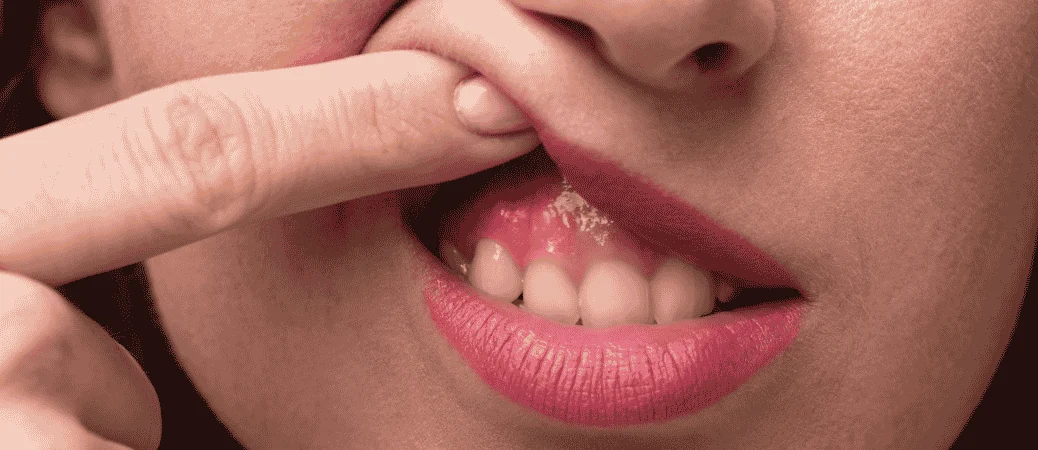
Infection can start quietly with mild redness or bleeding around the gums. You may notice swelling, bad breath, pain when you chew, or even a loose feeling near the implant.
When you know dental implant infection signs, you can act fast and lower your risk of serious problems.
Key Takeaways
- Dental implants can become infected, especially if you ignore early gum changes.
- Warning signs include redness, swelling, bleeding, pain, bad breath, or a loose implant.
- Quick treatment followed by dental implant care practices helps protect your implant and your jawbone.
Table of Content
- Understanding Dental Implant Infections
- Early and Advanced Signs of Infection
- Common Causes and Risk Factors
- Treatment Options and Outcomes
- Preventing Dental Implant Infections
- Frequently Asked Questions
Understanding Dental Implant Infections
Dental implants can last for many years, but the tissue around them can still become infected. When bacteria build up around the implant, they can damage your gums and even the bone that holds it in place.
What Is a Dental Implant Infection?
A dental implant infection happens when bacteria collect around the implant and irritate the surrounding gum and bone. The implant itself does not decay, but the tissue around it can become inflamed.
After surgery, mild swelling and soreness are normal for a few days. Infection is different. Pain, redness, bleeding, bad taste, or pus that continues or gets worse may signal an infected dental implant.
Bacteria often enter when plaque builds up along the gumline. Poor brushing, smoking, gum disease, or uncontrolled diabetes can raise your risk.
Types of Implant-Related Infections
Dentists group implant infections into two main types:
- Peri-implant mucositis
- Peri-implantitis
Peri-implant mucositis affects only the gum tissue around your dental implant. Your gums may look red, feel tender, and bleed when you brush.
At this stage, the bone is still healthy. With professional cleaning and better home care, you can often reverse the problem.
Peri-implantitis is more serious. The infection spreads deeper and begins to damage the bone that supports the implant.
This condition can lead to bone loss and threatens long-term implant stability.
How Infection Threatens Implant Stability
Your dental implant relies on strong bone support to stay secure. Infection weakens that support over time.
When bacteria inflame the tissue, your body reacts by breaking down nearby bone. This bone loss reduces the grip around the implant. As the infection progresses, you may notice:
- Deep gum pockets
- Gum recession
- A loose feeling when you chew
- Ongoing pain or swelling
If you ignore these signs, implant stability can drop quickly. In advanced cases of peri-implantitis, the implant may fail and require removal.
Early treatment protects the bone and keeps your dental implants stable. Regular checkups and daily cleaning give you the best chance to stop implant infections before they cause lasting damage.
Early and Advanced Signs of Infection
An infected dental implant often starts with small changes in your gums. If you ignore early warning signs, the problem can move deeper and affect the bone that supports your implant.
Key Symptoms Around Dental Implants
You may first notice mild swelling or redness around your dental implant. Your gums might feel tender when you brush or chew.
These early implant infection symptoms often look like simple gum irritation.
Watch for:
- Bleeding when you brush near the implant
- A bad taste that does not go away
- Ongoing pain or pressure
- Pus near the gumline
Many dentists list these as common dental implant infection signs. Pain that gets worse instead of better after surgery also raises concern.
You should also pay attention to changes in how your implant feels. If it suddenly feels different when you bite down, that may signal a deeper issue.
Early action can stop damage before it spreads.
Signs of Peri-Implantitis and Mucositis
When infection affects only the gum tissue, you may have peri-implant mucositis. Your gums look red, swollen, and may bleed easily. At this stage, bone loss has not started, and treatment can reverse the problem.
If the infection spreads to the bone, it becomes peri-implantitis. This condition leads to gradual bone loss around your implant.
Dentists confirm it with exams and X-rays, but you may notice warning signs at home.
Common signs of peri-implantitis include:
- Deep gum pockets around the implant
- Gum shrinkage that exposes metal threads
- Ongoing swelling and discomfort
Bone loss weakens the support structure, which raises the risk of implant failure if you delay care.
When to Suspect Implant Failure
You should suspect implant failure if your implant feels loose. A healthy implant should not move at all. Even slight movement needs urgent evaluation.
Other serious implant infection signs include:
- Throbbing pain that does not improve
- Fever
- Swelling that spreads to your face or jaw
Dental specialists list a loose implant, pus, and strong pain as major signs of dental implant infections. These symptoms suggest the infection may have damaged the surrounding bone.
If you ignore advanced implant infection symptoms, the implant may need removal. Acting quickly protects your oral health and improves the chance of saving the implant.
Common Causes and Risk Factors
Dental implant infections usually start when bacteria reach the tissue around the implant. Your daily habits, overall health, and the way the implant heals all play a role in whether problems develop.

Poor Oral Hygiene and Bacterial Build-Up
Poor oral hygiene is one of the main causes of implant infection. When you do not brush and floss well, plaque builds up around the implant.
Bacteria collect in the small spaces between your gum and the implant post.
This bacterial build-up can lead to swelling, bleeding, and tenderness. Over time, it may turn into peri-implantitis, which is a serious form of gum disease around implants.
You may notice common implant infection symptoms like bad breath, pus, or a bad taste in your mouth.
Bacteria can cause inflammation and bone loss if you do not keep the area clean. Bone loss weakens support for the implant.
To lower your risk, you should:
- Brush at least twice a day
- Floss daily or use a water flosser
- See your dentist for regular cleanings
- Avoid letting plaque sit around the implant
Even a well-placed implant can fail if you ignore daily care.
Medical Conditions Impacting Healing
Your general health affects how well your implant heals. Some medical conditions slow healing and increase the risk of dental implant infections.
If you have uncontrolled diabetes, your body may struggle to fight bacteria. Poor blood sugar control can delay healing and raise your chance of developing an infected dental implant.
Conditions that weaken your immune system can also make it harder to control infection.
Radiation therapy to the head or neck may reduce blood supply to the jawbone. This can interfere with how well the bone bonds to the implant. Smoking also reduces blood flow, which slows healing and raises infection risk.
Tell your dentist about:
- Diabetes
- Autoimmune disorders
- Cancer treatment
- All medications you take
When your dental team knows your medical history, they can plan treatment that protects your healing process.
Surgical and Lifestyle Considerations
The way your implant integrates with your jawbone also matters. If the bone does not fuse properly with the implant, the area may become unstable.
This lack of strong bonding can increase the risk of infection and failure.
Poor surgical technique is rare, but it can contribute to problems if the implant is placed in an area with limited bone support.
Too much pressure on the implant during healing can also cause trouble.
Certain habits raise your risk:
- Grinding or clenching your teeth
- Heavy alcohol use
- Smoking
- Skipping follow-up visits
Grinding creates stress around the implant. This stress can irritate the surrounding tissue and make it easier for bacteria to enter.
You protect your implant by wearing a night guard if you grind your teeth and by keeping all follow-up appointments.
Early action helps prevent minor irritation from turning into a serious infected dental implant.
Treatment Options and Outcomes
Fast treatment can stop a dental implant infection before it damages bone or leads to implant failure. Your dentist will confirm the problem, clean the area, and choose the right treatment based on how far the infection has spread.
Diagnosing an Infected Implant

Your dentist starts with a close exam of your gums. They check for redness, swelling, bleeding, pus, or a loose implant.
They may gently measure the space between your gum and the implant. Deep pockets can signal bone loss from implant infections.
Dental X‑rays help show changes in the bone around the implant. Bone shrinkage or dark areas near the implant can point to infection.
Some clinics explain that pain, swelling, or a loose implant are common warning signs of infection.
Early diagnosis improves long-term implant success. When you act quickly, your dentist can often treat the infected dental implant before serious damage occurs.
Professional Cleaning and Medication
If the infection is mild, your dentist may focus on deep cleaning. They remove plaque and bacteria from around the implant and below the gumline.
You may receive:
- Antibiotics to control bacteria
- Antibacterial mouth rinses
- Special tools to clean the implant surface
Prompt care matters. Many experts stress that recognizing symptoms early makes treatment easier and protects the implant.
You must also improve daily care. Brush gently, floss as directed, and attend follow-up visits. These steps support healing and reduce the risk of implant failure.
When Implant Removal Is Required
Sometimes the infection spreads deep into the bone. If bone loss becomes severe, the implant may loosen and fail.
In these cases, implant removal may be the safest option. Your dentist removes the infected dental implant, cleans the area, and may place bone graft material to rebuild lost bone.
You will need time to heal before placing a new implant. Healing can take several months, depending on bone damage and your health.
Implant removal sounds serious, but it can protect your overall oral health. Acting early lowers the chance that you will need this step and improves your chances for long-term implant success.
Preventing Dental Implant Infections
You can lower your risk of infection with steady daily care and routine dental visits.
Simple habits like brushing well, using the right rinse, and keeping up with exams help prevent implant infection and protect long-term implant success.
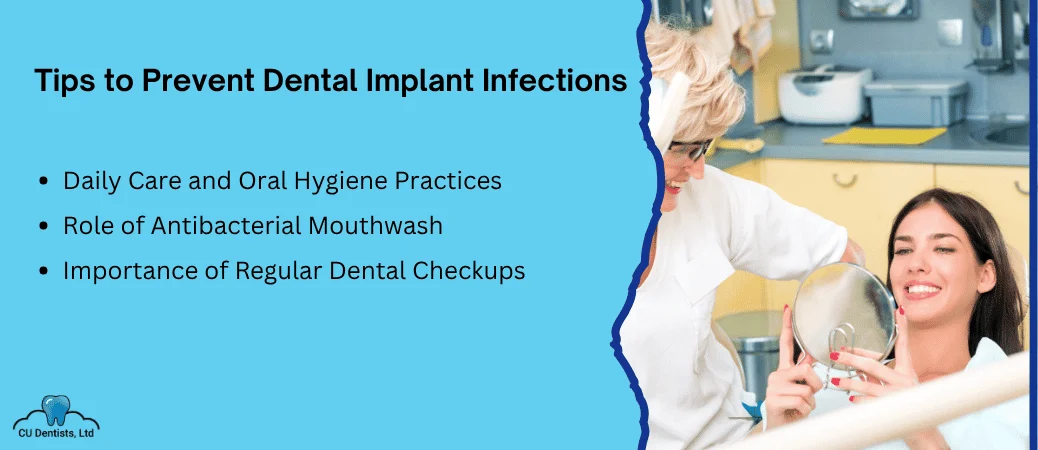
Daily Care and Oral Hygiene Practices
You prevent dental implant infections by keeping the area around the implant clean every day. Plaque builds up fast, and poor oral hygiene lets bacteria settle along the gumline.
Brush at least twice a day with a soft-bristled toothbrush. Angle the bristles toward the gumline and clean around the implant crown with small, gentle strokes.
Floss once a day. Use floss made for implants, floss threaders, or small interdental brushes to clean tight spaces.
Focus on these steps:
- Brush for two full minutes
- Clean along the gumline
- Rinse after meals when you can
- Replace your toothbrush every 3–4 months
If you notice redness, swelling, or a bad taste, act early. Early signs like these often appear with a dental implant infection. Quick care can stop the problem from getting worse.
Role of Antibacterial Mouthwash
An antibacterial mouthwash helps reduce bacteria that brushing may miss. It supports preventing dental implant infection, especially during healing.
Your dentist may suggest a prescription rinse, such as chlorhexidine, right after surgery. Use it exactly as directed. Do not overuse it, since long-term use can stain teeth or change taste.
For daily care, choose an alcohol-free antibacterial mouthwash. Alcohol can dry your mouth and irritate gum tissue.
Use mouthwash after brushing and flossing. Swish for the full time listed on the label, usually 30 to 60 seconds.
If you feel swelling, pain, or see discharge, do not ignore it. Early treatment helps prevent damage to the implant.
Importance of Regular Dental Checkups
Regular dental checkups play a key role in preventing dental implant infections. You should visit your dentist at least twice a year, or more often if they advise it.
During these visits, your dentist will:
| What Your Dentist Checks | Why It Matters |
| Gum health around implant | Detects early inflammation |
| Implant stability | Finds signs of loosening |
| Bite alignment | Prevents excess pressure |
| Plaque buildup | Reduces infection risk |
Professional cleanings remove hardened plaque that you cannot remove at home. Your dentist may also take X-rays to check the bone around the implant.
Staying consistent with regular dental checkups gives you the best chance at long-term implant success. Early action keeps small problems from turning into serious infections.
Frequently Asked Questions
You may notice redness, swelling, pain, or even a loose feeling around your implant. These questions explain what those signs mean, how often infections happen, and what you should do next.
What are the most common signs of an infection around a dental implant?
You may see red or swollen gums around the implant. The area might feel tender when you brush or chew.
Bleeding when you floss near the implant is another warning sign. Some people also notice bad breath or a bad taste that does not go away.
Pus, gum recession, or a loose implant can mean the infection has become more serious.
How common are infections after dental implant surgery?
Dental implant infections are not common, but they can happen. Most implants heal well when you follow care instructions.
Your risk goes up if you smoke, have gum disease, or do not clean around the implant well. As The Oral Health covered, smoking accelerates bone loss around implants year by year, a pooled analysis of 13 studies found smokers lose measurably more of the supporting bone around their implants annually, a gap that compounds the longer the habit continues.
Health conditions like diabetes can also raise your risk. Many dental offices explain that infection is a possible but uncommon complication of implant surgery.
Can a dental implant infection show up on an X-ray?
Yes. An X-ray can show bone loss around the implant.
If the infection has reached the bone, your dentist may see changes in bone height or density. This helps them decide how serious the problem is.
In some cases, symptoms appear before major bone changes show on imaging. Your dentist will combine X-rays with a clinical exam to confirm the diagnosis.
Can a dental implant get infected years after it was placed?
Yes, it can. An implant can become infected months or even years after placement.
Bacteria can build up over time if you skip cleanings or have untreated gum disease. Ongoing inflammation around the implant is called peri-implant disease. Swelling and a loose feeling may appear long after surgery.
What happens if an infection around a dental implant is left untreated?
The infection can spread deeper into the gum and bone. This may cause bone loss around the implant.
As bone support decreases, the implant can become loose. In severe cases, your dentist may need to remove it.
Ignoring symptoms like pain, pus, or mobility increases the risk of implant failure.
Are there any safe at-home steps to take if I think my dental implant is infected?
You can gently clean the area with a soft toothbrush. Rinse with warm salt water to help reduce irritation.
Avoid pressing on the implant or chewing hard foods on that side. Do not try to treat it with leftover antibiotics.
At-home care does not replace professional treatment. If you notice swelling, bleeding, or pain, contact your dentist as soon as possible.