


Sleep apnea affects both adults and children, causing pauses in breathing during sleep that can lead to serious health issues if left untreated. The good news is that there are many treatment options available tailored for different age groups and needs, from machines that help keep your airway open to lifestyle changes and surgeries.
Whether you or a child you care about has sleep apnea, understanding the right treatments can improve sleep quality and overall health. Treatment might include using a CPAP machine, special oral devices, surgery, or even simple exercises and habits that help support better breathing at night.
Key Takeaways
- Both adults and children have specific treatment options to improve sleep apnea.
- Devices, surgery, and lifestyle changes can all help manage symptoms effectively.
- Regular monitoring and adjustments are important to keep treatment working well.
Need Sleep Apnea Treatment in Champaign? Get Personalized Care Now!
Understanding Sleep Apnea in Adults and Children
Sleep apnea can affect both adults and children, but it might look different depending on your age. An estimated 22 million Americans suffer from sleep apnea, with 80% of moderate and severe cases going undiagnosed.
Knowing the types, symptoms, and risks can help you recognize when treatment is needed to improve your sleep and health.
Types of Sleep Apnea
There are two main types of sleep apnea you should know about: obstructive sleep apnea (OSA) and central sleep apnea (CSA). OSA happens when your airway gets blocked during sleep, making it hard to breathe.
This is the most common type in both adults and children. CSA is less common and occurs when your brain doesn’t send the right signals to control breathing.
In children, OSA often links to enlarged tonsils or jaw problems. Adults usually experience airway blockage due to factors like obesity or nasal congestion.
Understanding which type you or your child has helps guide the right treatment methods.
Common Sleep Apnea Symptoms
Symptoms can vary by age but often include loud snoring, gasping for air during sleep, and frequent waking up at night. You might notice daytime signs as well, such as feeling very sleepy, having trouble concentrating, or feeling irritable.
For children, symptoms can include behavioral problems and trouble paying attention during the day. Adults often experience headaches in the morning and persistent fatigue.
If you notice any of these signs, it’s important to get checked because these symptoms affect both your sleep and daytime health.
Health Risks and Complications
Sleep apnea isn’t just about feeling tired. It can lead to serious health issues like high blood pressure, heart problems, and even stroke.
Sleep apnea is responsible for 38,000 cardiovascular deaths annually in the U.S.
When your breathing stops, your oxygen levels drop, which forces your heart to work harder. Over time, this can strain your body.
Children with untreated sleep apnea may face growth issues, learning difficulties, and behavioral problems. Adults risk developing diabetes and worsening existing conditions due to poor sleep quality.
Treating sleep apnea early reduces these risks and helps protect your long-term health.
Struggling with Sleep Apnea in Rantoul? Contact Us for Treatment Options!
Diagnosis and Assessment of Sleep Apnea
Diagnosing sleep apnea means understanding your symptoms, how often you stop breathing during sleep, and checking your overall health. Tests may monitor your breathing and body functions overnight, either at home or in a sleep center.
Initial Evaluation by Healthcare Providers
Your first step usually involves visiting your primary care doctor. They will ask about your sleep habits, daytime tiredness, snoring, and any times you might have stopped breathing during sleep.
It helps if someone who sleeps nearby can share their observations too. Your doctor will also check your medical history, including any heart or lung problems, allergies, or weight issues.
This information guides whether you need further testing or a referral to a specialist. Expect questions like:
- How often do you feel tired during the day?
- Do you wake up gasping or choking?
- Is snoring loud or frequent?
Your provider may also look for physical signs, such as a blocked nose or large tonsils, to better understand your risk.
Role of Sleep Studies
Sleep studies are key in confirming sleep apnea and measuring its severity. You might have a polysomnography test at a sleep center.
This records your brain activity, breathing, heart rate, oxygen levels, and muscle movements as you sleep overnight. If you have fewer health risks, your doctor might suggest a home sleep test.
These portable devices track breathing patterns, oxygen, and heart rate. While easier, home tests may miss some cases.
If your symptoms or test results are unclear, a sleep center study is often recommended. Your doctor uses the data to find out how many breathing pauses you have per hour.
This helps decide the best treatment plan.
Sleep Apnea Diagnosis in Children
In children, sleep apnea shows differently than in adults. They might have loud snoring, restless sleep, or behavior problems during the day, like trouble paying attention.
Diagnosis often involves a sleep study at a center, since home tests are less common for kids. The test checks for breathing issues and oxygen drops while your child sleeps.
Doctors also look for causes like enlarged tonsils or allergies that can block the airway. Early diagnosis matters because untreated sleep apnea can affect growth and learning.
If your child shows symptoms, share detailed notes on their sleep and daytime behavior with your pediatrician.
Consulting a Sleep Specialist
A sleep specialist is a doctor trained to diagnose and treat sleep disorders. Your primary doctor may refer you to one if your sleep apnea seems complex or severe.
The specialist reviews your symptoms, test results, and overall health. They may order more tests or suggest specific treatments based on your type of sleep apnea.
Specialists also help manage ongoing care because treatment, like CPAP machines or devices, often needs adjustments over time. If you struggle with treatment or have other health problems, a sleep specialist offers expert guidance.
Seeking Sleep Apnea Treatment? Find the Right Solution for You!
Treatment Options for Adults
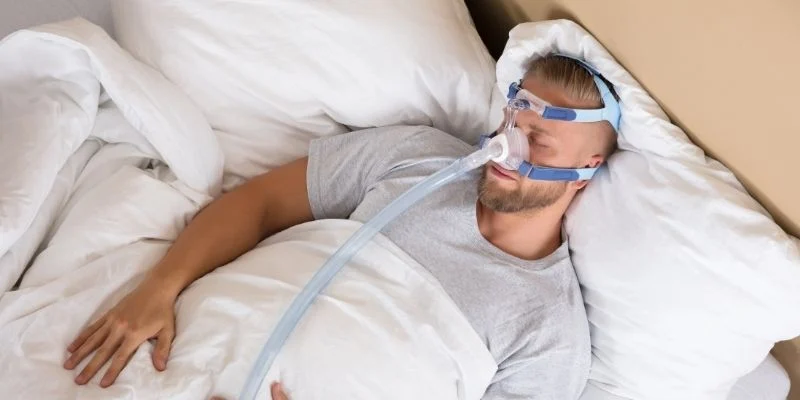
Treating sleep apnea as an adult often involves devices and procedures that help keep your airway open during sleep. Some options use air pressure to prevent blockages, while others involve mouth devices or surgeries to improve breathing.
Your treatment depends on how severe your sleep apnea is and what fits your lifestyle best.
CPAP and Positive Airway Pressure Devices
Alt-text: CPAP and Positive Airway Pressure Devices
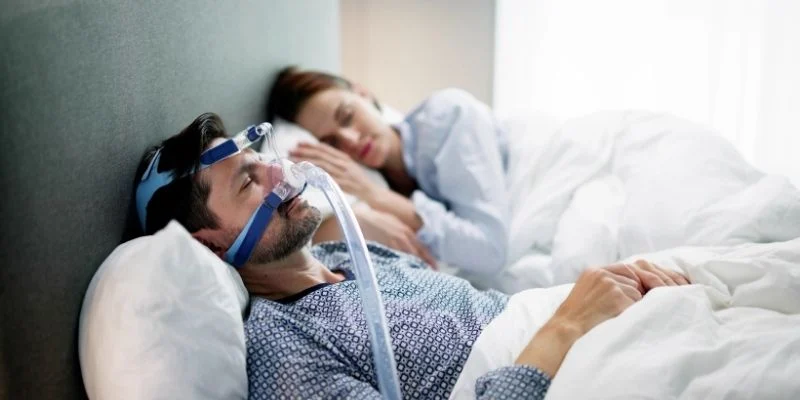
Continuous positive airway pressure (CPAP) machines are the most common way to treat sleep apnea. These devices gently blow air through a mask you wear on your nose or mouth.
This air keeps your airway open, stopping it from collapsing while you sleep. There are different types of PAP machines:
- CPAP: Provides steady air pressure.
- Auto-CPAP: Adjusts pressure automatically based on your breathing.
- BiPAP (bilevel positive airway pressure): Gives higher pressure when you breathe in and lower when you breathe out, useful if CPAP doesn’t work well for you.
Wearing a CPAP mask might take some getting used to, but it can improve your sleep quality and reduce symptoms like snoring and daytime tiredness. There are many mask styles and sizes you can choose from to find the most comfortable fit.
Oral Appliances and Mandibular Advancement
If CPAP devices aren’t comfortable or practical, oral appliances are a good alternative. These are custom-made devices you wear in your mouth while sleeping.
The most common type is the mandibular advancement device (MAD), which gently pushes your lower jaw forward. This helps keep your airway open by preventing the tongue and soft tissues from collapsing backward.
Oral appliances are portable and don’t need electricity, making them a good choice for travel. They work best for mild to moderate sleep apnea but may also help some people with severe cases.
A dentist experienced in sleep apnea will adjust the device to fit you well and make sure it’s effective.
Surgical Interventions for Adults
Surgery can be an option if devices and lifestyle changes aren’t helping enough. Several procedures focus on removing or reducing tissues that block the airway or repositioning structures to improve airflow.
Common surgeries include:
- Uvulopalatopharyngoplasty (UPPP): Removes or reshapes tissues like the uvula and soft palate.
- Radiofrequency ablation: Uses energy to shrink excess tissue.
- Nasal surgeries: Fix a deviated septum or clear nasal passages to help breathing.
- Hypoglossal nerve stimulation: Implants a device that stimulates muscles to keep the airway open during sleep.
In rare cases where other treatments fail, a tracheostomy creates a new airway through the neck. Each surgery has its risks and benefits, so doctors usually recommend trying less invasive treatments first.
Surgery may improve symptoms but doesn’t always fully cure sleep apnea.
Treatment Options for Children
When treating sleep apnea in children, doctors focus on ways to clear the airway and help your child breathe better at night. The choices range from simple lifestyle changes to devices that support breathing, and in some cases, surgery might be needed.
Lifestyle and Behavioral Changes for Children
Sometimes, changes at home can make a big difference. If your child is overweight, losing weight can reduce sleep apnea symptoms.
Encouraging regular exercise and healthy eating helps improve overall health and breathing. Allergy management is important too.
Treating allergies with nasal sprays or saline rinses can lower blockage caused by swelling in the nose and throat. Avoiding irritants like cigarette smoke also helps prevent airway inflammation.
Good sleep routines matter as well. Make sure your child sleeps in a regular environment that supports healthy breathing, avoiding sleeping on their back if recommended by the doctor.
Use of CPAP and Oral Appliances in Pediatrics
If lifestyle changes aren’t enough, your child may need devices to keep their airway open. A common choice is a CPAP machine, which gently blows air through a mask during sleep.
This helps stop airway collapse and improves breathing. Oral appliances are another option.
These are custom-made devices that adjust the position of the jaw or tongue to keep the airway clear. They are often easier for children to wear than CPAP and work well for mild to moderate sleep apnea.
Your doctor or specialist will help decide which device fits best for your child and track progress during follow-up visits to ensure improvements.
Surgical Solutions for Pediatric Sleep Apnea
Surgery is usually considered when other treatments don’t work or if large tonsils and adenoids block the airway. The most common surgery is a tonsillectomy and adenoidectomy, where the tonsils and adenoids are removed.
This operation often helps children with moderate to severe sleep apnea breathe easier at night. It can improve sleep quality, behavior, and attention.
Not every child needs surgery. Your healthcare provider will evaluate your child’s condition carefully before recommending this option to make sure it’s the right choice.
Lifestyle Changes and Home Remedies
Making changes in how you live can help reduce sleep apnea symptoms. Small steps like adjusting your weight, changing how you sleep, and avoiding harmful habits can make your breathing easier at night and cut down on snoring.
Weight Loss and Exercise
Carrying extra weight, especially around your neck, can put pressure on your airway and make sleep apnea worse. Losing even a small amount of weight can help open your throat and reduce breathing pauses.
Exercise helps by burning calories and strengthening muscles that support your airway. Try to include activities you enjoy, like walking, swimming, or yoga.
These not only help with weight loss but also improve your sleep quality. Even gentle exercise can have a positive effect.
Remember, weight loss should be gradual and steady, paired with a balanced diet for the best results.
Sleep Position Adjustments
How you position your body while sleeping can affect sleep apnea. Sleeping on your back may cause your tongue and soft tissues to block your airway.
Switching to sleep on your side helps keep your airway open and decreases snoring. You can try these tricks to stay on your side:
- Use a body pillow for support
- Place a tennis ball in a pocket sewn on the back of your shirt to discourage rolling onto your back
- Try a wedge or neck-support pillow to keep your head elevated
Changing your sleep position takes practice, but it often brings better breathing and deeper rest.
Quitting Smoking and Avoiding Alcohol
Smoking irritates and inflames your airway, making it narrower and increasing your chance of airway collapse during sleep. Quitting will lower inflammation and help you breathe easier at night.
Alcohol relaxes the muscles in your throat, which can worsen airway blockage. Avoid drinking alcohol for several hours before bedtime to reduce snoring and breathing interruptions.
Managing and Monitoring Sleep Apnea Over Time
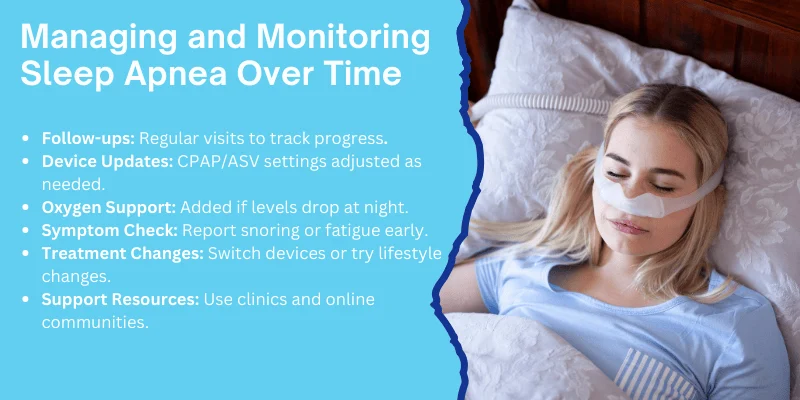
Managing sleep apnea is an ongoing process that often involves regular check-ups and adjusting your treatment to fit your needs. As your condition changes, your care plan might include different devices or therapies to keep your breathing steady during sleep and improve your quality of life.
Long-term Management and Follow-up
After starting treatment, your healthcare provider will likely schedule follow-up visits to track your progress. These check-ups can include sleep studies to see how well your airway stays open and how effective your device, like a CPAP or adaptive servo-ventilation (ASV) machine, is.
You might need supplemental oxygen if your oxygen levels drop too low during sleep. Over time, your doctor may adjust the pressure settings on your device to improve comfort and results.
Staying in touch with your care team helps catch any issues early and keeps your treatment working for you.
Dealing with Ongoing Symptoms
Even with treatment, you might sometimes experience symptoms like snoring, daytime sleepiness, or headaches. If this happens, it’s important to tell your doctor.
These signs may mean your current therapy isn’t fully controlling your sleep apnea. Your doctor could suggest trying a different device or adding therapies, such as oral appliances or lifestyle changes like weight management.
Sometimes, surgery is considered if other treatments don’t fully help. Don’t ignore ongoing symptoms; managing them early can prevent more serious health problems.
Support and Resources for Patients
Living with sleep apnea can feel overwhelming, but you’re not alone. Many patients find support through sleep clinics and online communities.
These resources offer education about your condition, tips for using machines, and encouragement. You can also work with specialists like dentists for oral appliances or therapists for habit changes.
Keeping track of how you feel and sleep can help your care team adjust your treatment. If you ever feel stuck, reach out for support.
Frequently Asked Questions
You have several ways to manage sleep apnea beyond just using a CPAP machine. Some options work better for different ages or levels of severity, and some involve lifestyle changes or new technology.
Can sleep apnea be treated without using a CPAP machine?
Yes, sleep apnea can sometimes be treated without a CPAP. Lifestyle changes, oral appliances, or special exercises might help, especially if your sleep apnea is mild to moderate.
Some people use these as alternatives or in addition to CPAP.
What natural methods can help manage sleep apnea from home?
You can try things like losing weight, avoiding alcohol and sedatives before bed, and sleeping on your side instead of your back. Oropharyngeal exercises that strengthen your throat and tongue muscles might also reduce symptoms when done regularly.
What are the latest advancements in sleep apnea treatment?
There are new options like the FDA-approved weight loss drug Zepbound, which helps reduce breathing problems in people with obesity-related sleep apnea. Also, implanted nerve stimulators now provide another way to keep your airway open without a machine.
How is sleep apnea in children addressed differently than in adults?
Children often have sleep apnea due to enlarged tonsils or adenoids. Surgery to remove these is common and can sometimes cure the problem.
Treatment for kids usually focuses more on finding and fixing specific physical causes.
What is the role of oral appliances in treating sleep apnea?
Oral appliances fit in your mouth and help keep your airway open by moving your lower jaw or tongue forward. They are useful if you can’t tolerate a CPAP machine or need a portable option while traveling.
Dentists specializing in sleep apnea can help customize them.
Are there surgical options available for severe sleep apnea cases?
Yes, surgery is an option when other treatments don’t work well.
Types include tonsil removal, reshaping the throat tissues, or jaw surgery to open the airway.